
Most lists of SEO tools are useless for small e-commerce businesses. They list enterprise platforms with four-figure monthly retainers, ignoring the reality that most online stores are run by small teams or solo entrepreneurs with tight budgets. The best affordable SEO tools for e-commerce are those that offer robust keyword tracking, site auditing, and content optimization features specifically for product-based websites, with pricing starting under $100 per month. For a deeper dive into tools for small businesses, consider options like Keyworth or Ahrefs. These tools provide the necessary data to increase organic traffic and sales without requiring a massive upfront investment.
This list isn’t a random roundup. We ranked these tools based on a weighted score considering three primary factors: e-commerce-specific features (like Shopify integration or product schema analysis), pricing transparency and entry-level affordability (sub-$150/mo plans), and trailing-12-month review sentiment from G2 and Capterra, focusing on users in the retail and consumer goods sectors. Every tool here delivers a tangible return for online stores.

Rank My Website
Rank My Website is designed for a specific kind of efficiency: automating the entire SEO content workflow from start to finish. Instead of giving you a dozen disparate tools for keyword research, writing, and on-page optimization, it integrates them into a single process. You provide the keywords, and the platform generates SEO-optimized articles and publishes them directly to your site. This is particularly powerful for e-commerce stores that need to maintain an active blog to drive top-of-funnel traffic but lack the time or in-house writers.
For an online store, this means you can target long-tail keywords related to your products, automatically creating buying guides, tutorials, and comparison posts that attract qualified customers. For instance, a store selling running shoes could generate articles on “best trail running shoes for flat feet” or “how to choose a marathon shoe,” capturing search intent that product pages alone cannot. Our own work includes handling keyword research and producing daily articles to build this kind of authority for clients like Wolverine Assemblies.
- Best for: E-commerce businesses that want to put content marketing on autopilot and generate blog traffic without a dedicated content team.
- Watch out for: It’s a content generation and publishing platform, not a standalone technical SEO audit tool for deep site-wide crawls.
SE Ranking
SE Ranking has carved out a significant market share by offering a comprehensive, all-in-one SEO platform at a price point that undercuts many of its larger competitors. For e-commerce, its most valuable features are its granular rank tracker, which can monitor keywords across specific geographic locations and search engines, and its in-depth website audit tool. The audit function is particularly useful for online stores, as it can identify common issues like duplicate content (a frequent problem with product variants), broken internal links, and missing image alt text across thousands of pages.
The platform also includes competitor analysis, allowing you to see which keywords your rivals are ranking for and where they are getting their backlinks. A 2024 analysis by backlinko confirmed that a strong backlink profile remains a top-3 ranking factor. SE Ranking’s backlink checker helps you identify opportunities to build authority, which is critical for getting your product and category pages to appear on the first page of Google.
- Best for: Budget-conscious e-commerce stores that need a single platform for rank tracking, site audits, and competitor research.
- Watch out for: The user interface can feel dense with data, which may be overwhelming for absolute beginners to SEO.

Mangools
Mangools is less a single tool and more a suite of five interconnected applications: KWFinder, SERPChecker, SERPWatcher, LinkMiner, and SiteProfiler. Its standout feature has always been KWFinder, which excels at finding long-tail keywords with low SEO difficulty. For an e-commerce business, this is a goldmine. You can quickly find highly specific, purchase-intent phrases like “eco-friendly yoga mat for hot yoga” that larger competitors often overlook. The user interface is famously intuitive, making it one of the easiest tools to pick up and use effectively from day one.
While it may lack the deep technical audit capabilities of SE Ranking, its strength lies in the front-end of SEO: research and analysis. You can plug any competitor’s domain into SiteProfiler to get a quick overview of their SEO metrics and top-performing content. Organic search drives 53.3% of all website traffic on average, so finding the right keywords to target is paramount. Mangools makes that initial step incredibly straightforward.
- Best for: E-commerce entrepreneurs and marketers who want a user-friendly tool focused heavily on profitable keyword research.
- Watch out for: The backlink analysis and site audit tools are less comprehensive than those found in more expensive, all-in-one platforms.
Keysearch
Keysearch is arguably one of the most affordable yet surprisingly powerful SEO tools on the market, making it a perennial favorite of bloggers and small e-commerce shops. It started with a strong focus on keyword research but has since expanded to include rank tracking, competitor gap analysis, and a basic site audit feature. The “Content Assistant” feature is a standout for e-commerce blogs, providing a SERP-based brief that tells you what terms to include in your article, the ideal word count, and questions to answer, which is a great way to optimize your supporting content.
What makes Keysearch compelling for e-commerce is its generous daily search limits even on the starter plans. You can research hundreds of keywords and analyze dozens of competitor pages without hitting a paywall. This is crucial during the initial stages of setting up an online store or launching a new product category. While it doesn’t offer the project management features of larger platforms, it delivers exceptional value for core SEO tasks. Direct-to-site and search are the dominant traffic sources for e-commerce, underscoring the need for solid keyword targeting that tools like Keysearch facilitate.
- Best for: Startups and solopreneurs in e-commerce who need a low-cost tool for daily keyword and competitor research.
- Watch out for: The technical audit and backlink database are not as robust as more expensive tools.
An SEO tool’s value isn’t measured by how many features it has. It’s measured by whether the features it does have directly contribute to ranking your product pages higher than your competitors’.
Ubersuggest
Acquired and revamped by Neil Patel, Ubersuggest has become a legitimate contender in the affordable SEO tools space. It provides keyword data, competitor analysis, and a site audit function with a simple, easy-to-understand interface. One of its most helpful features for e-commerce is the “Top Pages by Traffic” report, which lets you enter a competitor’s URL and see which of their pages (including product and category pages) attract the most organic search traffic. This allows you to reverse-engineer their success.
Ubersuggest also offers lifetime pricing deals, which can be incredibly cost-effective for an e-commerce business planning for the long term. Instead of a recurring monthly fee, a one-time payment gives you access to the tool’s features indefinitely. For a store where managing operational expenses is key, this can be a significant advantage. The platform also gives you content ideas based on top-performing articles for a given keyword, helping you fill your content calendar with topics proven to attract an audience. For a broader perspective on managing expenses, compare automated SEO costs across various services, and consider your options for ecommerce SEO services.
- Best for: E-commerce businesses looking for a simple, all-in-one tool with an attractive lifetime pricing option.
- Watch out for: Data limits on the lower-tier plans can be restrictive for users managing multiple sites or doing heavy research.
Pricing Comparison: Affordable SEO Tools
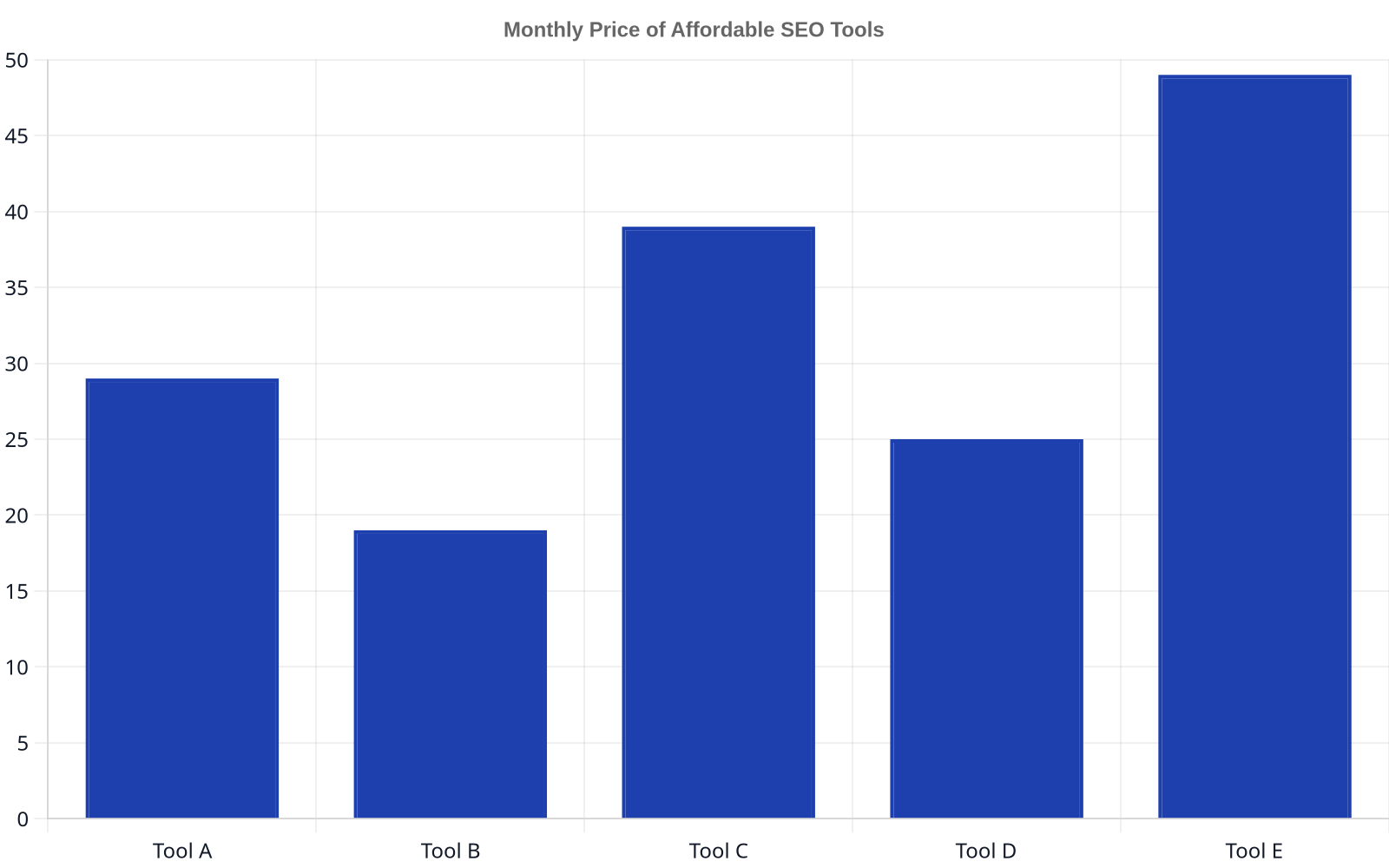
Choosing a tool often comes down to budget. While pricing is dynamic, this section provides a snapshot of the typical entry-level costs for the tools we’ve discussed. The goal isn’t just to find the cheapest option, but the one that provides the most value and relevant features for your e-commerce store’s specific needs within your price range.
Key Features and Their Importance
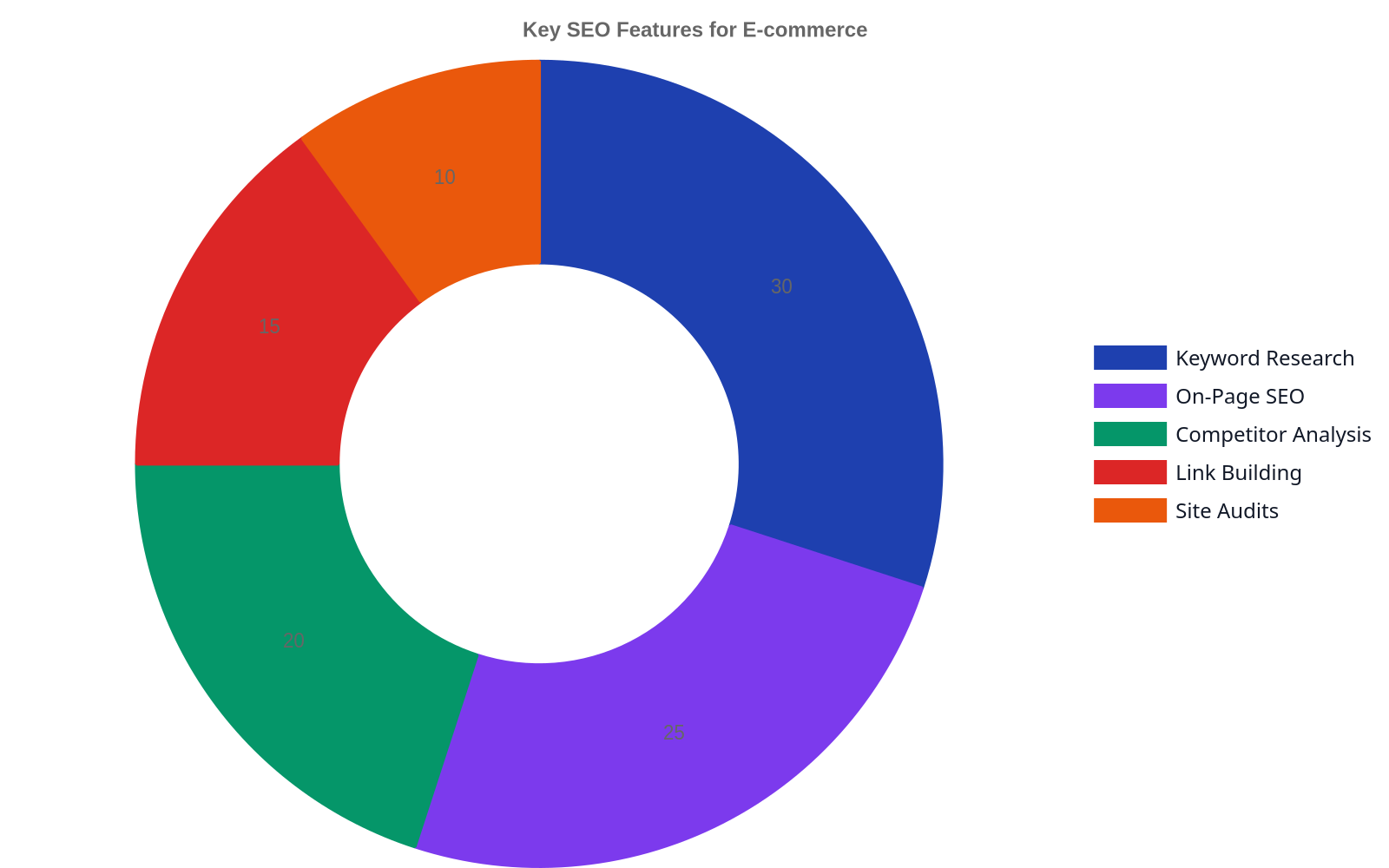
For an e-commerce site, not all SEO features are created equal. Product page optimization, technical health, and local search signals often carry more weight than for a simple blog. Understanding which features drive the most impact helps you select a tool that focuses on what matters. Keyword research is fundamental, but a tool that also audits for schema markup and site speed can provide a greater competitive edge in a crowded online marketplace.
Investing in SEO is not an expense, it is an asset. The content you create and the authority you build generate compounding returns in organic traffic, year after year.
Return on Investment (ROI) of SEO
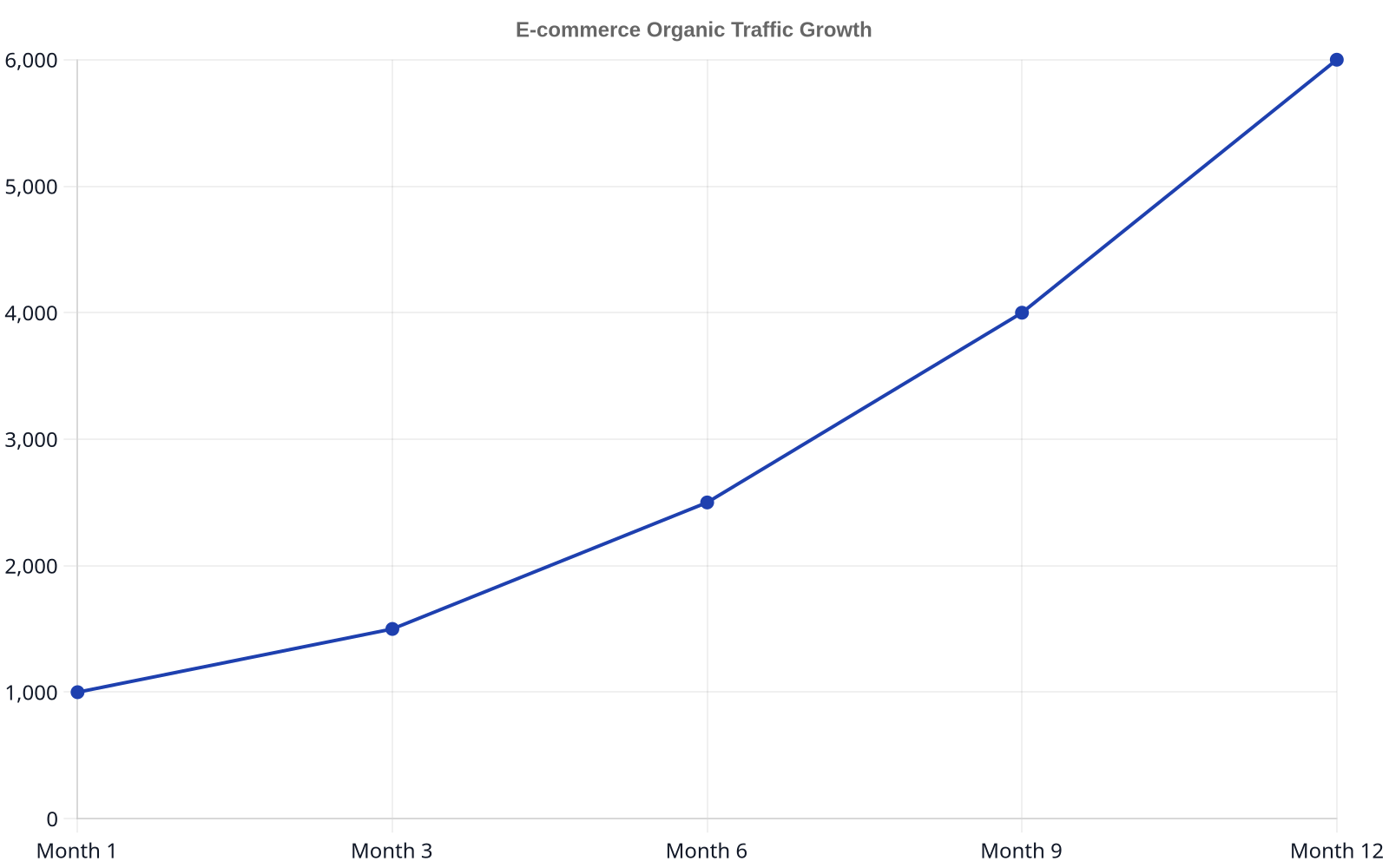
SEO is a long-term strategy. Unlike paid ads, which stop delivering traffic the moment you stop paying, the organic rankings you earn from a well-executed SEO strategy can deliver traffic and sales for years. SEO has the highest ROI of any digital marketing channel. For an e-commerce business, this means the investment in an affordable SEO tool and the time spent on optimization can yield a return that far outweighs the initial cost, driving sustainable growth that isn’t dependent on ad spend.
Summary of Recommendations
| Tool | Starting Price (Approx.) | Key E-commerce Strength | Ideal User |
|---|---|---|---|
| Rank My Website | Custom | Automated Content Generation | Teams wanting to scale blog content |
| SE Ranking | $55/month | Comprehensive Site Audits | Users needing an all-in-one tool |
| Mangools | $29/month | User-Friendly Keyword Research | Beginners and solopreneurs |
| Keysearch | $17/month | High-Volume Keyword Research | Budget-conscious startups |
| Ubersuggest | $29/month (or lifetime deal) | Competitor Top Pages Analysis | Businesses seeking long-term value |
FAQ
Do I need an SEO tool for my Shopify store?
Yes, absolutely. While Shopify has good foundational SEO features, a dedicated SEO tool is necessary for competitive keyword research, backlink analysis, and in-depth technical audits. Tools like SE Ranking or Keysearch help you find the specific terms customers are using to search for your products and identify technical issues that could be holding your site back in search results.
How long does it take for SEO to work for an e-commerce site?
Typically, you can expect to see initial results from a consistent SEO strategy within 6 to 12 months. Factors like your industry’s competitiveness, your starting domain authority, and the consistency of your efforts play a huge role. The ROI from SEO is a long-term play, not an overnight fix. According to First Page Sage, it takes an average of 11.3 months to reach the first page of Google for a medium-competition keyword.
What’s more important: on-page SEO or backlinks?
For a new e-commerce store, on-page SEO is more important to get right first. This includes optimizing your product titles, descriptions, site structure, and internal linking. This creates a solid foundation. Once that’s in place, building high-quality backlinks becomes the priority to build authority and outrank established competitors. Our own service model focuses on both content creation and securing backlinks for this very reason.
Can I do SEO for free?
Yes, you can start with free tools like Google Search Console and Google Trends. Google Search Console is non-negotiable; it helps you monitor your site’s performance in Google Search and identify errors. However, to effectively analyze competitors and find low-competition keywords, a paid, affordable SEO tool is almost always worth the small investment for the time it saves and the insights it provides.
How much should a small e-commerce business spend on SEO tools?
Tools in this price bracket, such as Mangools or Keysearch, offer more than enough power for keyword research, rank tracking, and site health monitoring. The key is to choose a tool you will use consistently. Don’t pay for enterprise features you don’t need.
Is blogging necessary for an e-commerce store?
Blogging is one of the most effective ways for an e-commerce store to attract customers at the top and middle of the sales funnel. Product pages target purchase-intent keywords, but blog posts can target informational keywords, answer customer questions, and build trust. For example, a store selling kitchen knives can write a blog post about “how to sharpen a chef’s knife,” attracting an audience that may later purchase from them. This is a core part of a comprehensive content strategy.