
On-Page Optimization Service Pricing in 2026
Most agencies and consultants hide their on-page optimization service pricing behind a “contact us for a quote” wall. This isn’t because the numbers are secret; it’s because the answer is almost always “it depends.” On-page SEO service pricing typically ranges from $500 for a one-time audit of a small site to over $5,000 per month for comprehensive, ongoing retainers for large e-commerce sites. The final cost depends on the scope of work, the size of your website, and the level of expertise required. A simple blog might only need title tag and meta description updates, while a complex site requires schema markup, content restructuring, and internal linking overhauls.
This guide breaks down the common pricing models you’ll encounter, the factors that drive costs up or down, and what you should expect to get for your money. We will explore one-time project fees, hourly rates, and monthly retainers to give you a clear picture of what an investment in on-page SEO looks like in 2026. This is not about finding the cheapest option; it’s about understanding the value you receive and how it connects to real business growth, like the results we’ve helped deliver for clients such as Wolverine Assemblies.

What is on-page SEO and what does it include?
On-page SEO is the practice of optimizing individual web pages to rank higher and earn more relevant traffic in search engines. Unlike off-page SEO, which involves external signals like backlinks, on-page SEO focuses entirely on elements within your control on your website. A typical service includes optimizing title tags, meta descriptions, headers (H1, H2, H3), and URL structures. It also covers content optimization, ensuring your text is relevant, readable, and targets the right keywords. More advanced services will also address technical elements like image optimization (alt text, file size), internal linking, and schema markup to provide richer search results.
How is on-page SEO different from technical SEO?
While they overlap, on-page and technical SEO are distinct disciplines. On-page SEO focuses on the content and structure of a specific page, asking, “Is this page a great answer to the user’s query?” It deals with keywords, titles, and readability. Technical SEO, on the other hand, focuses on the site’s infrastructure, asking, “Can search engines efficiently find, crawl, and index this page?” It covers aspects like site speed, mobile-friendliness, XML sitemaps, robots.txt files, and crawl errors. A technically sound site is the foundation, but on-page SEO is what makes individual pages perform.
Why do I need an on-page optimization service?
Because search engine algorithms are constantly changing. What worked two years ago may not be effective today. A professional service brings expertise and stays current with Google’s updates, such as the helpful content system. They can identify opportunities you might miss, from striking-distance keywords to content gaps. More importantly, they provide a systematic process. Instead of randomly tweaking pages, an expert service performs a comprehensive audit, prioritizes actions based on potential impact, and executes them methodically. This saves you time and ensures your efforts translate into measurable traffic growth.

How much does on-page optimization cost?
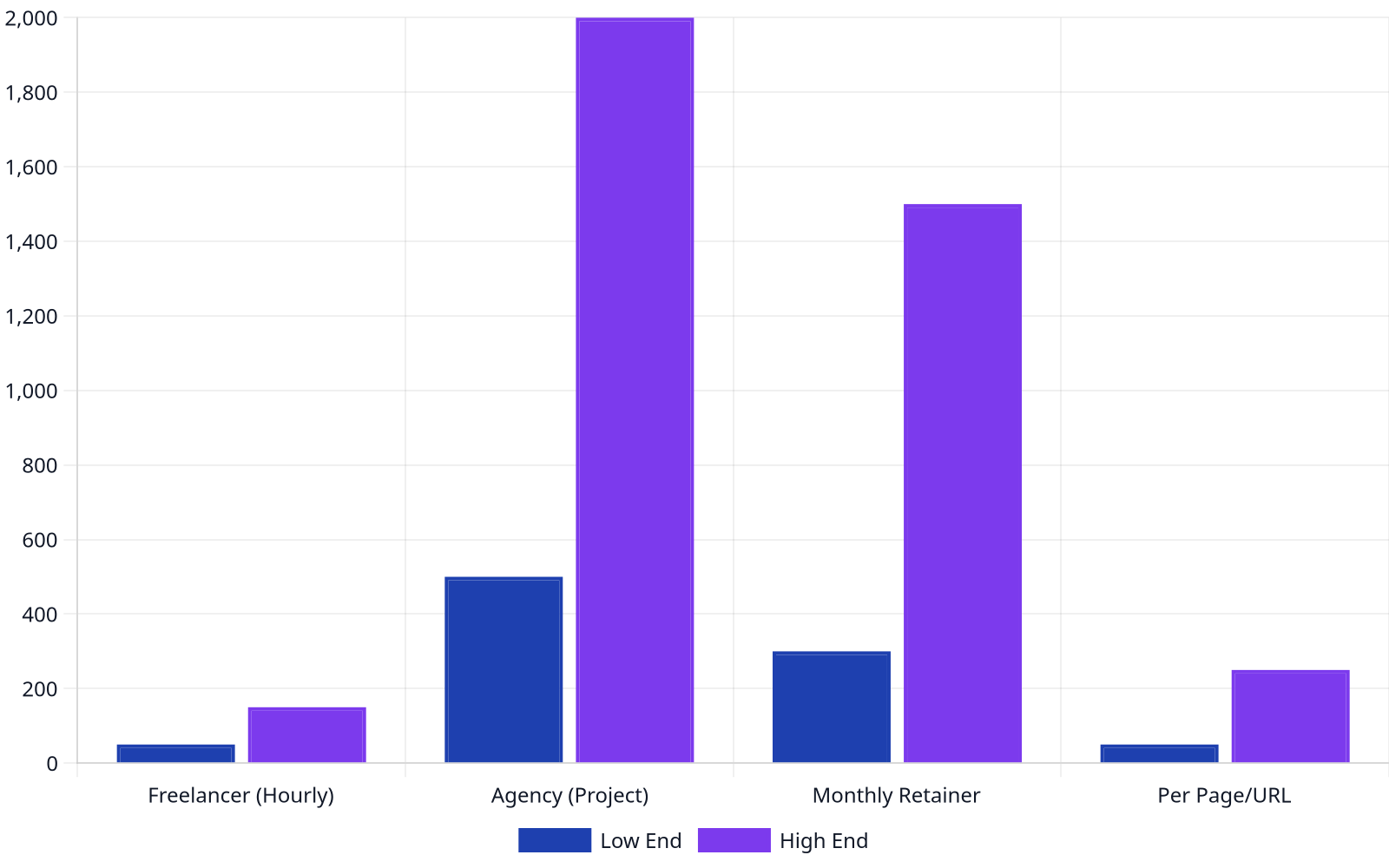
The cost of on-page optimization services varies widely based on the pricing model. You’ll generally encounter three types: hourly rates, project-based fees, and monthly retainers. Each has its place, and the right choice depends on your needs and budget.
What are typical hourly rates for on-page SEO?
Hourly rates for on-page SEO consultants typically fall between $75 and $250 per hour. A freelancer or a junior SEO specialist might be at the lower end of this spectrum, while a seasoned consultant or a specialized agency will command rates closer to the top. According to a 2024 pricing survey by Ahrefs, the most common hourly rate for SEOs is between $100 and $150 per hour. Paying an hourly rate is best for specific, well-defined tasks, such as implementing audit recommendations or optimizing a small batch of high-priority pages.
How much do one-time on-page SEO projects cost?
Project-based pricing for on-page SEO can range from $500 to $7,500 or more. A small project, like a basic on-page audit and optimization for a 5-10 page website, might cost $500-$1,500. A more comprehensive project for a medium-sized site (25-50 pages) that includes a full content and technical on-page audit, implementation, and a strategy report could be in the $2,500-$5,000 range. Large-scale e-commerce sites or enterprise-level projects with hundreds or thousands of pages can easily exceed $7,500. These projects are ideal when you need a one-off overhaul to establish a solid foundation.
What does a monthly on-page SEO retainer include and cost?
Monthly retainers are the most common model for ongoing SEO and typically cost between $1,000 and $5,000+ per month. A small business might pay around $1,000-$2,500/month for ongoing optimization of new content, monitoring rankings, and periodic technical checks. Larger companies with more complex needs and aggressive growth goals often pay upwards of $5,000/month. This fee covers a consistent block of work, which can include continuous keyword research, creating and optimizing daily articles, building a strategic internal linking structure, and performance reporting. This model is best for businesses committed to long-term growth and recognize that SEO is a continuous process.

What factors influence on-page SEO service costs?
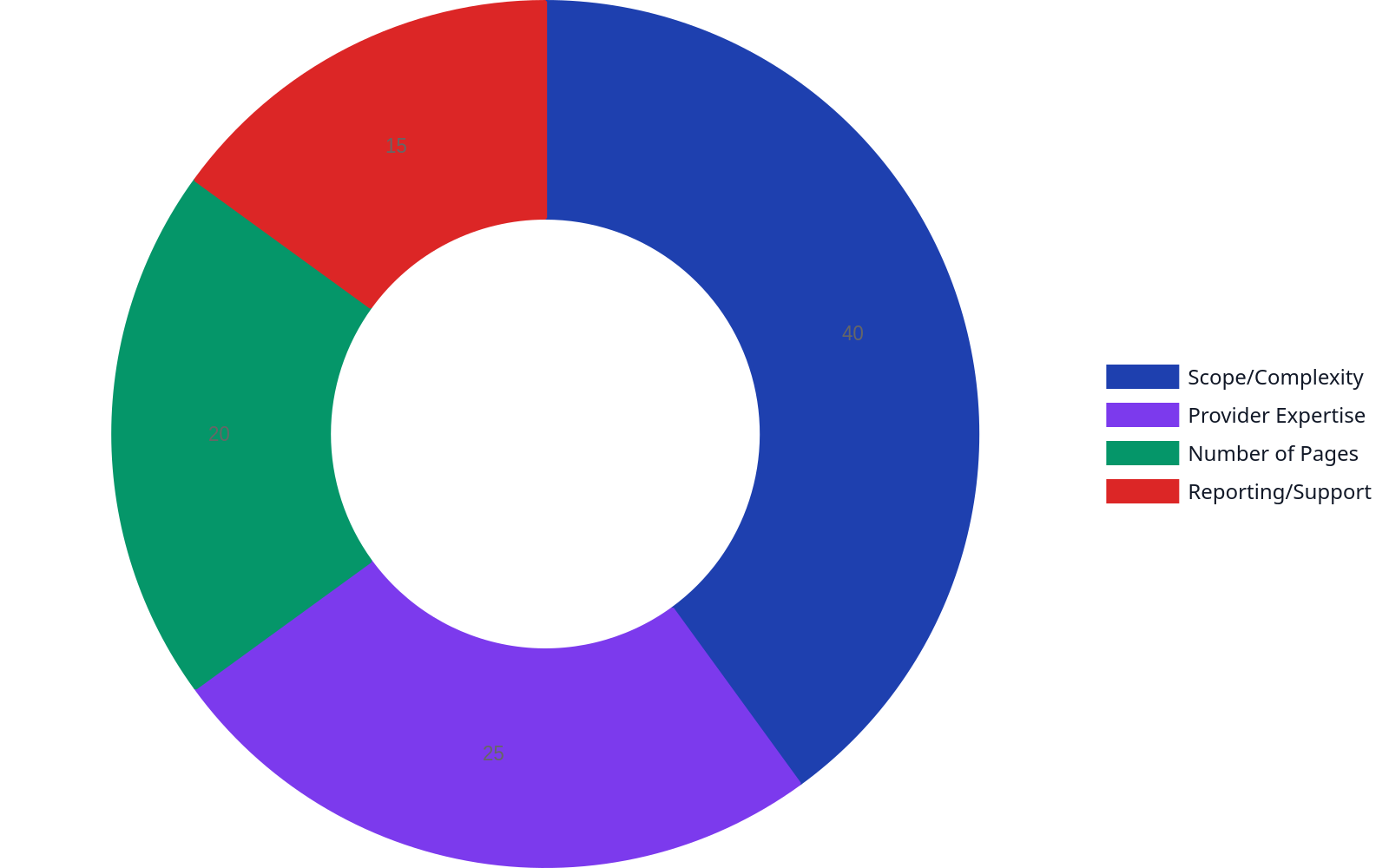
Several key variables determine the final price tag for on-page optimization services. It’s not just about the number of pages; the complexity of the site, the competitiveness of the industry, and the scope of the work all play significant roles. Understanding these factors will help you evaluate quotes more effectively.
How does website size and complexity affect pricing?
This is the biggest cost driver. A five-page brochure site is exponentially easier to optimize than a 50,000-product e-commerce store. More pages mean more titles, metas, content, and images to analyze and fix. Complexity also matters. A site built on a difficult-to-edit CMS or with extensive custom code requires more developer or specialist time than a standard WordPress site. An e-commerce site with faceted navigation introduces significant complexity that a simple blog doesn’t have, directly increasing the optimization cost.
Does my industry’s competitiveness impact the price?
Yes, absolutely. Ranking for “divorce lawyer in Manhattan” is vastly more difficult (and therefore more expensive) than ranking for “antique teapot repair in Omaha.” Highly competitive niches like finance, law, and health require a much more aggressive and nuanced on-page strategy. The content needs to be exceptionally authoritative and demonstrate deep expertise, often requiring input from subject matter experts. A Backlinko analysis of 11.8 million Google search results confirms that top-ranking content is significantly more comprehensive, which takes more resources to create and optimize.
What’s the difference between an audit and implementation?
An audit is the diagnostic phase; implementation is the treatment. An on-page SEO audit involves a specialist analyzing your site to identify problems and opportunities, delivering a report or roadmap of recommended changes. Implementation is the actual work of making those changes. Some services only provide the audit, leaving you to implement the fixes. Others are full-service, handling both. Be sure to clarify what a quote includes. A cheap “audit” that leaves you with a 50-page PDF and no help to execute it is often less valuable than a slightly more expensive service that handles the work from start to finish.
Don’t just pay for a list of problems. The real value in an on-page SEO service is in the execution and the measurable improvement that follows.
Do one-time fixes or ongoing services cost more?
A one-time project will have a higher upfront cost, but an ongoing retainer will cost more over the long term. The choice depends on your goals. If your site has good fundamentals and you just need a tune-up, a one-time project might suffice. However, SEO is not a set-it-and-forget-it activity. Competitors will improve their content, and search algorithms will evolve. An ongoing retainer ensures your site continuously adapts and improves, protecting your investment and compounding your gains over time. It shifts the focus from a one-time fix to a sustained growth strategy.
Is on-page SEO worth the investment?
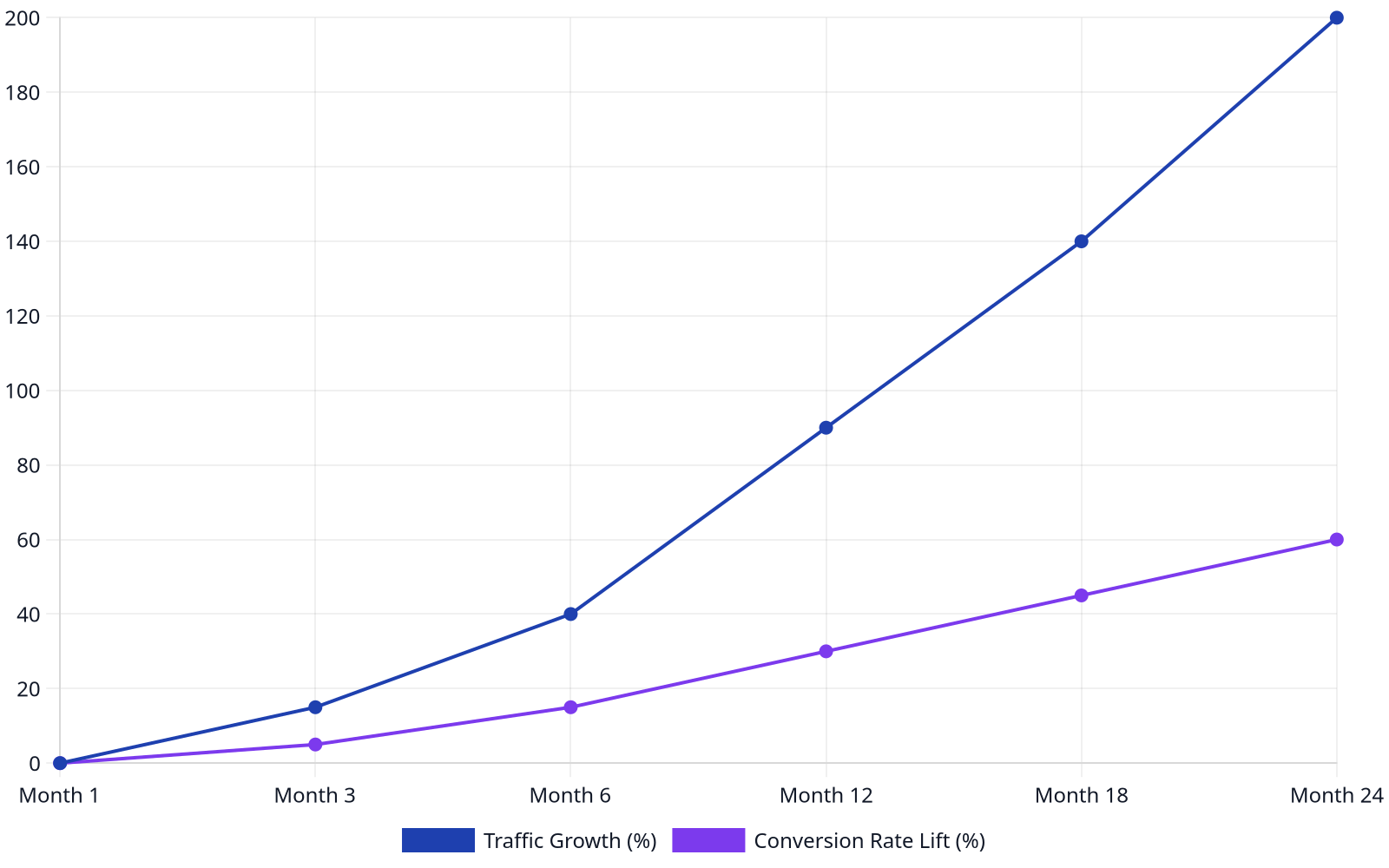
Comparing on-page SEO to paid advertising offers a clear perspective on its value. While paid search offers immediate visibility, that visibility disappears the moment you stop paying. On-page SEO, however, is an investment in a long-term asset. Optimizing your content builds a foundation for sustained organic traffic that can pay dividends for years. A well-optimized page that ranks for a valuable keyword can attract customers month after month with no incremental cost per click. SEMrush data indicates that organic search is the largest driver of website traffic for most industries, making it a critical channel for sustainable growth.
How is ROI measured for on-page SEO?
The ROI of on-page SEO is tracked through key performance indicators (KPIs) that connect directly to business objectives. The most direct metrics are improvements in organic traffic, keyword rankings, and conversion rates from organic visitors. For example, you can track how many more leads or sales are generated from organic search after optimization. You can also measure secondary metrics like click-through rate (CTR) from search results, bounce rate, and average time on page, which indicate whether you are attracting and engaging the right audience. Using tools like Google Analytics and Google Search Console is essential for accurate measurement.
How long does it take to see results from on-page SEO?
While some minor changes can yield results in as little as a few weeks, significant improvements from on-page SEO typically take 3 to 6 months to materialize. This timeline depends on your site’s authority, the competitiveness of your keywords, and the extent of the changes made. Google needs time to recrawl your pages, process the changes, and re-evaluate their quality against other content. Patience is critical. SEO is a marathon, not a sprint, and the most substantial rewards go to those who commit to a consistent, long-term strategy.
FAQ
What are the most common on-page SEO mistakes?
The most frequent mistake is keyword stuffing: unnaturally cramming keywords into content, which hurts user experience and can lead to penalties. Other common errors include neglecting title tags and meta descriptions, using generic headers (like “Introduction” or “Conclusion”), having slow page load times due to large images, and creating a poor internal linking structure that fails to guide users and search engines to important pages.
Can I do on-page SEO myself?
Yes, you can certainly handle basic on-page SEO yourself, especially if you use a platform like WordPress with plugins like Yoast or Rank Math. Tasks like writing unique title tags, optimizing images with descriptive alt text, and ensuring your content is readable are great starting points. However, a professional service brings deeper technical expertise for things like schema markup, site speed optimization, and comprehensive content strategy, which can generate significantly greater returns.
Is content part of on-page SEO?
Absolutely. Content is the heart of on-page SEO. You can have perfectly optimized title tags and fast load times, but if your content doesn’t satisfy user intent, you won’t rank. On-page SEO involves ensuring your content is comprehensive, well-structured, authoritative, and aligned with what searchers are looking for. This includes everything from the text on the page to the images and videos that support it. 66% of marketers report content marketing is very important to their overall marketing strategy, underscoring its central role.
Does on-page SEO help with local search?
Yes, it’s crucial for local SEO. For businesses serving specific geographic areas, on-page optimization involves including location-specific keywords (e.g., “plumber in Detroit”) in titles, headers, and body content. It also includes creating location-specific pages or content and ensuring your business name, address, and phone number (NAP) are consistent across your site. When combined with a well-optimized Google Business Profile, strong on-page local signals are a powerful way to attract nearby customers.
How often should I update my on-page SEO?
On-page SEO should be an ongoing process, not a one-time event. You should review your key pages at least quarterly. However, you should conduct a more thorough audit annually to adapt to algorithm changes and evolving competitor strategies. New content, like blog posts, should be optimized as it is published. Regularly refreshing and updating existing content (content decay) is also a key part of a modern on-page SEO strategy to maintain and improve rankings over time.
Take the Guesswork Out of SEO
Understanding on-page optimization service pricing is the first step. The next is finding a partner that can turn that investment into tangible growth. At Rank My Website, we automate the entire SEO content lifecycle, from keyword research and content generation to publishing and on-page optimization. If you’re ready to build a pipeline of organic traffic that works for you on autopilot, learn more about how our platform can help.