
Stop chasing SEO “trends.” Most articles about the future of search are just recycled lists of buzzwords like “AI” and “voice search.” The real SEO trends for 2027 aren’t about new tactics; they are about a fundamental return to the strategic disciplines we’ve neglected. For a deeper dive into what’s next, explore seo content trends focusing on AI integration and first-party data. The most impactful shift will be mastering your own business intelligence and first-party data to create content so specific and authoritative that AI-driven search engines have no choice but to cite you as a primary source. Forget trying to “optimize” for AI; focus on becoming the source it needs to be accurate.

Technical SEO Isn’t a Trend; It’s the Foundation
For years, people have declared technical SEO dead or a “solved problem.” That is a dangerously naive view. As search becomes more reliant on AI to crawl, interpret, and present information, the technical integrity of your site is more critical than ever. An AI crawler that can’t efficiently access your content due to poor architecture or slow page speeds won’t bother trying; it will just pull from a more accessible competitor.
Think of it as building a house. You wouldn’t debate the “trend” of having a solid foundation. You just build one. The same applies to SEO. Core Web Vitals aren’t a fad; they are a direct measure of user experience that Google’s algorithms, and by extension its AI Overviews, will continue to prioritize. An analysis from Semrush covering 150,000 random domains found that pages with good Core Web Vitals scores ranked higher. This correlation is not accidental. Accessibility is another area that is moving from a compliance checkbox to a core ranking signal. Making your site accessible to users with disabilities, as outlined by the Web Content Accessibility Guidelines (WCAG), makes it more accessible to crawlers, too.
The Rise of AI in Search
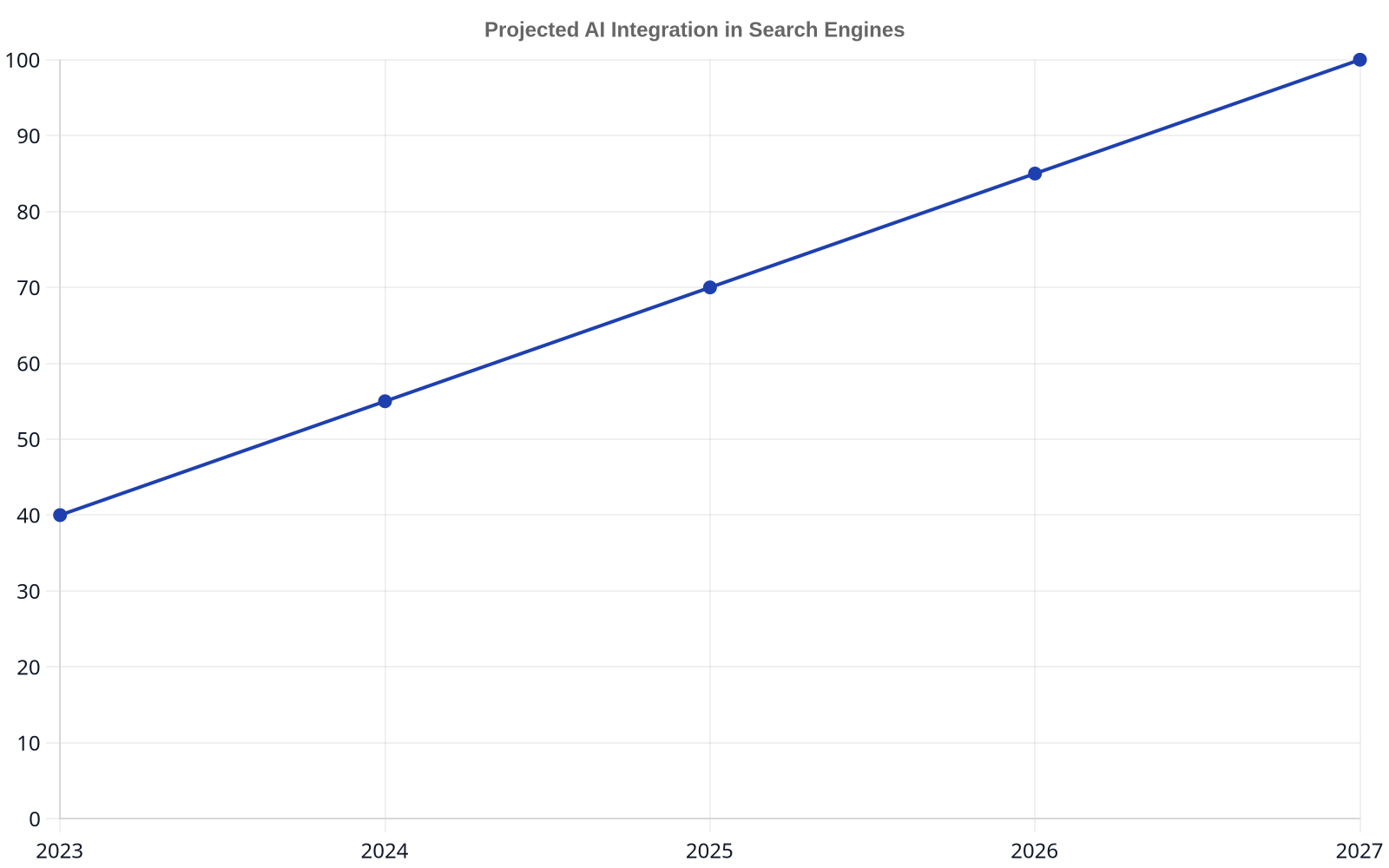
The most talked-about shift is the integration of AI into search, or AISO (AI Search Optimization). This isn’t about stuffing keywords for a simple algorithm anymore. It’s about structuring your content so that generative AI models see it as a reliable, citable source. This means a heavy emphasis on structured data and entity-based SEO. An “entity” is a well-defined person, place, or concept. By using schema markup, you can explicitly tell Google that “Wolverine Assemblies” is a client, not just two words on a page.
This is where your content strategy has to evolve. Instead of just writing articles, you need to think about building a knowledge graph. Every piece of content should reinforce your authority on a core topic, creating a web of interconnected information. For instance, at Rank My Website, we don’t just provide daily articles; we build a content ecosystem where each piece supports the others through strategic internal linking, demonstrating deep expertise that an AI can easily verify and synthesize. The goal is to be the answer, not just rank for the question.
The future of SEO is not about outsmarting an AI. It’s about becoming the indispensable source material the AI uses to form its own answers.
User Intent and Your First-Party Data
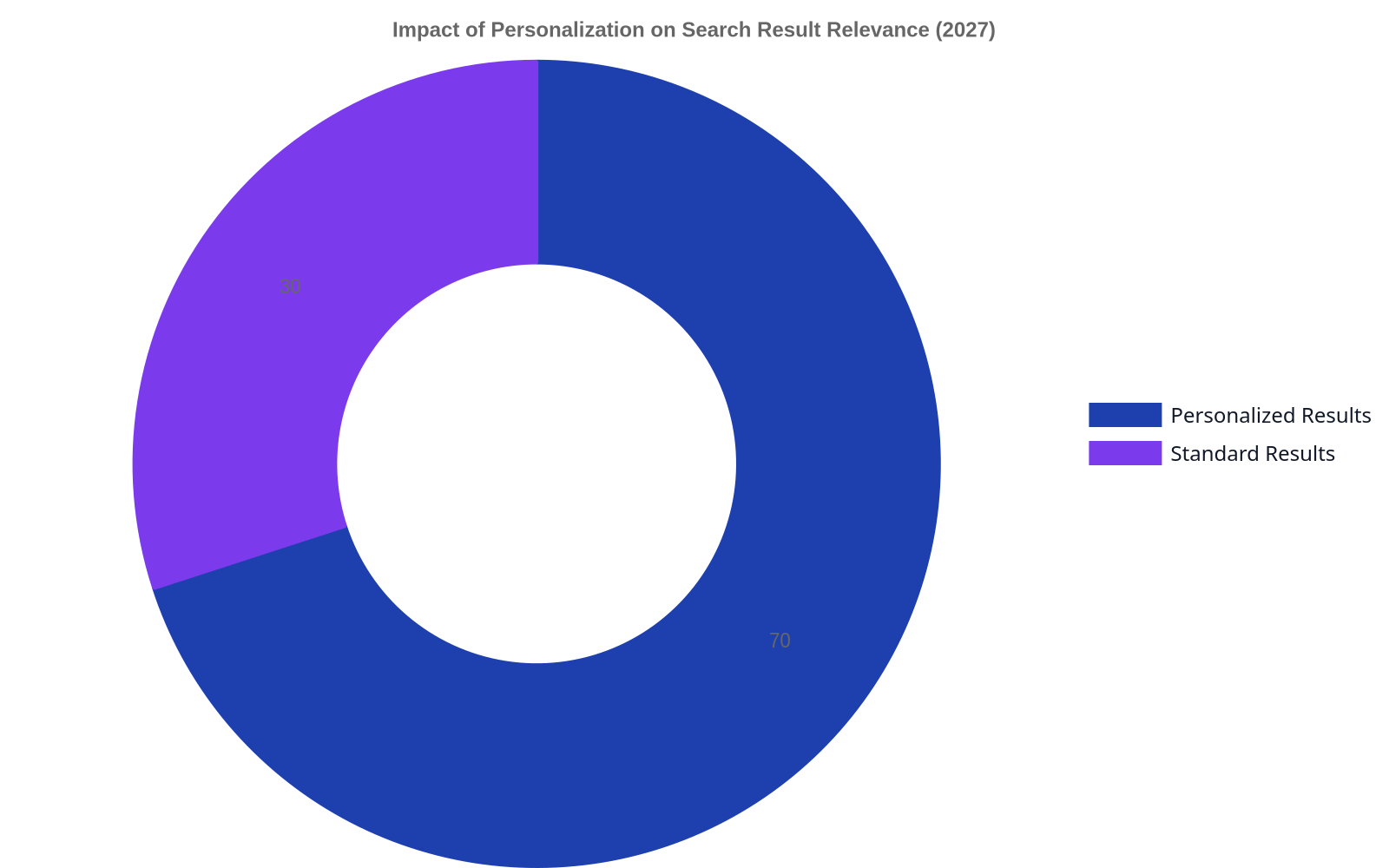
With the deprecation of third-party cookies, your own first-party data is no longer a nice-to-have; it’s your primary strategic asset. The generic, high-volume keywords that have driven SEO for a decade are losing value. Why? Because AI-powered search is becoming intensely personal. It understands context and nuance far better than older algorithms. Your future traffic will come from understanding your specific audience’s problems, not just the general terms they search for.
This means analyzing your CRM data, customer support tickets, and sales call transcripts. What language do your best customers use? What specific problems do they need to solve? This is your new source for keyword research. Generic content targeting a broad term like “SEO services” will be drowned out by AI summaries. Content that answers a specific question like, “How can a manufacturing supplier reduce logistics costs through better inventory tracking?” based on real customer insights will become the citable source. Gartner predicts that by 2026, 80% of B2B sales interactions between suppliers and buyers will occur in digital channels, making your site’s ability to answer specific, intent-driven questions paramount.

Content Strategy: Authority Over Volume
The era of flooding the SERPs with low-quality, high-volume content is over. Generative AI can produce mediocre content at scale, which means the value of “good enough” content has dropped to zero. In 2027, the only content that will rank consistently is content that demonstrates genuine expertise, experience, authority, and trustworthiness (E-E-A-T). Google isn’t just looking for an answer; it’s looking for the most credible answer.
This requires a shift in resources. Instead of paying for 50 generic blog posts, invest in one piece of original research, a deep case study, or a comprehensive guide backed by unique data. Short-form video will continue to be important, not just for engagement on social platforms but as a source for AI-driven search results. A clear, well-produced video explaining a complex process can be a powerful asset that is difficult for competitors to replicate. Building a strong backlinks profile remains crucial, but the emphasis is on quality and relevance over quantity. A single link from an authoritative industry publication is worth more than a hundred from low-quality directories.
Your SEO strategy for 2027 is to stop acting like a content farm and start acting like a specialized research library. Your goal is to be the primary source.
Ultimately, the SEO trends for 2027 boil down to this: build a technically sound website, use your own data to understand your customer’s specific intent, and create uniquely authoritative content that AI models are compelled to cite. Stop chasing algorithm tweaks and start building a real, defensible moat of expertise. The tools may change, but the fundamentals of creating value never will.
FAQ
What is the most important SEO trend for 2027?
The most critical trend is not a specific technology but a strategic shift: using your own first-party data to create highly authoritative, niche content. As AI-driven search (AISO) seeks the most credible sources, generic content will fail. Success in 2027 depends on becoming the primary, citable source in your specific area of expertise.
Will keywords still matter in 2027?
Yes, but their role is changing. Instead of focusing on high-volume, generic keywords, the value is in long-tail, highly specific phrases that reveal user intent. This data won’t come from generic tools but from analyzing your own customer interactions. Keywords are evolving from simple targets into indicators of complex user problems that your content must solve.
How does Generative AI change content strategy for SEO?
Generative AI makes mediocre content a commodity with zero value. This forces content strategy to focus on what AI cannot replicate: original research, unique data, genuine E-E-A-T (Experience, Expertise, Authoritativeness, and Trustworthiness), and brand-specific insights. Your content must be the source material for AI, not a competitor to it.
Is technical SEO still relevant with AI search?
Technical SEO is more relevant than ever. AI-driven crawlers and systems still need to access, render, and understand your site efficiently. A poor technical foundation, including slow page speeds or a confusing site structure, makes your content inaccessible. Accessibility for users also improves machine readability, which is crucial for AISO.
How can I prepare my business for zero-click searches?
Prepare by aiming to be the source cited in the zero-click answer, like an AI Overview. This requires using structured data (schema markup) to clearly define information and creating concise, factual, and highly authoritative content that directly answers a specific question. Since you may not get the click, brand visibility within the answer becomes the new goal. This makes establishing authority even more critical.
Related reading
- AI SEO in 2026: Why Google Search Is Fragmenting
- SEO Trends 2027: Entity-Based Strategy, Not Keywords.