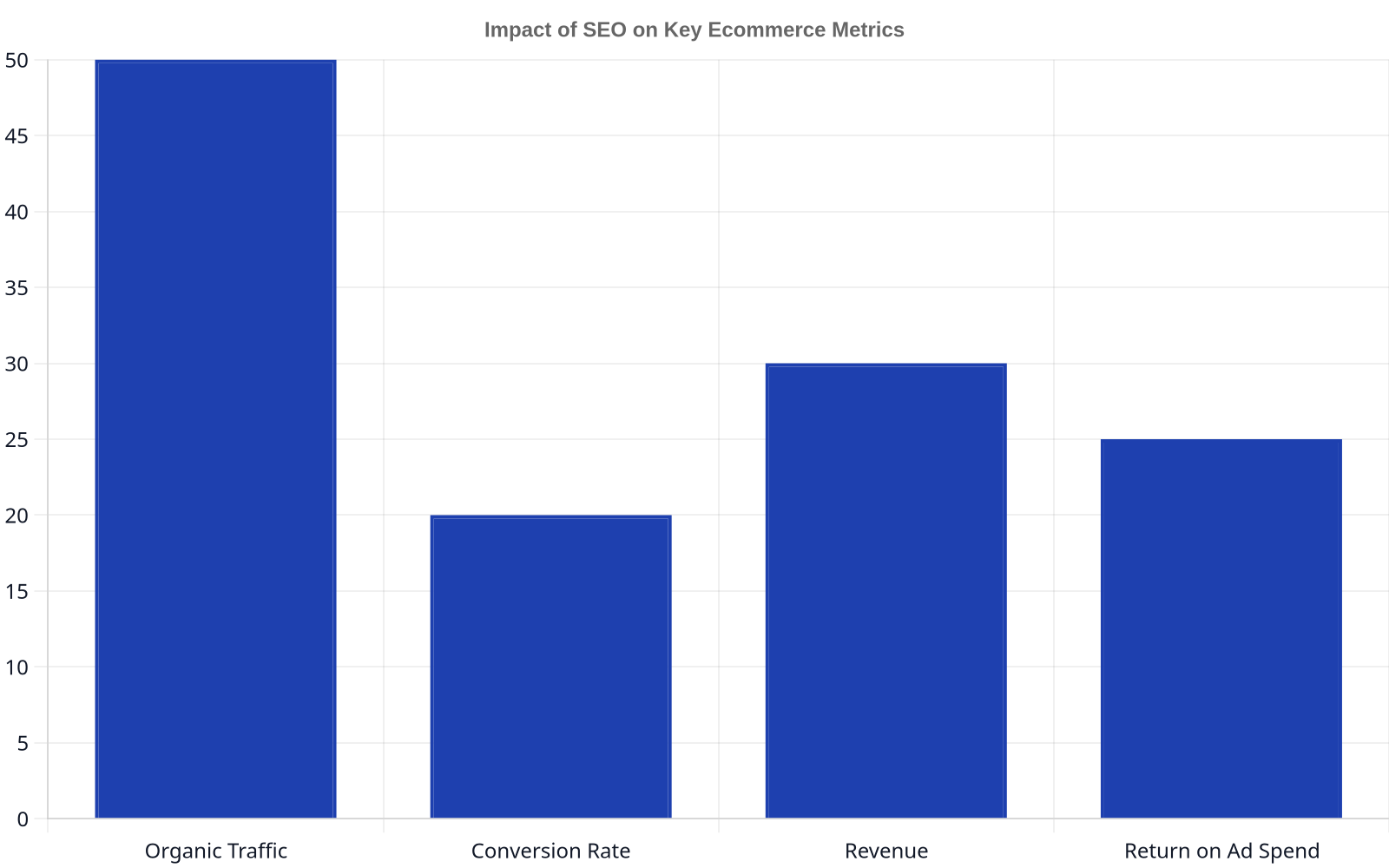
Hesitation is the silent killer of small business growth. You know SEO is critical (after all, 68% of all online experiences begin with a search engine) but the sheer number of tools is paralyzing. The best SEO tools for small businesses are not the ones with the most features, but the ones that deliver actionable data without requiring a dedicated analyst. They should automate repetitive work, provide clear direction, and directly contribute to leads and sales. For a small business, the right tool offers leverage, not another time-consuming chore to manage.
The 60-Second Verdict: If you are a time-strapped small business owner who needs results without becoming an SEO expert, an automated platform like Keyworth is your best bet. It handles the core tasks—keyword research, content creation, and linking—autonomously. For businesses with some SEO knowledge and the time to dedicate to hands-on optimization, Ahrefs provides the most comprehensive all-in-one toolkit for deep analysis.

SEO Tools for Small Businesses: A Head-to-Head Comparison
Choosing a tool depends entirely on your business’s specific needs: your budget, your time commitment, and whether you need an all-in-one suite or a specialized tool for a single job.
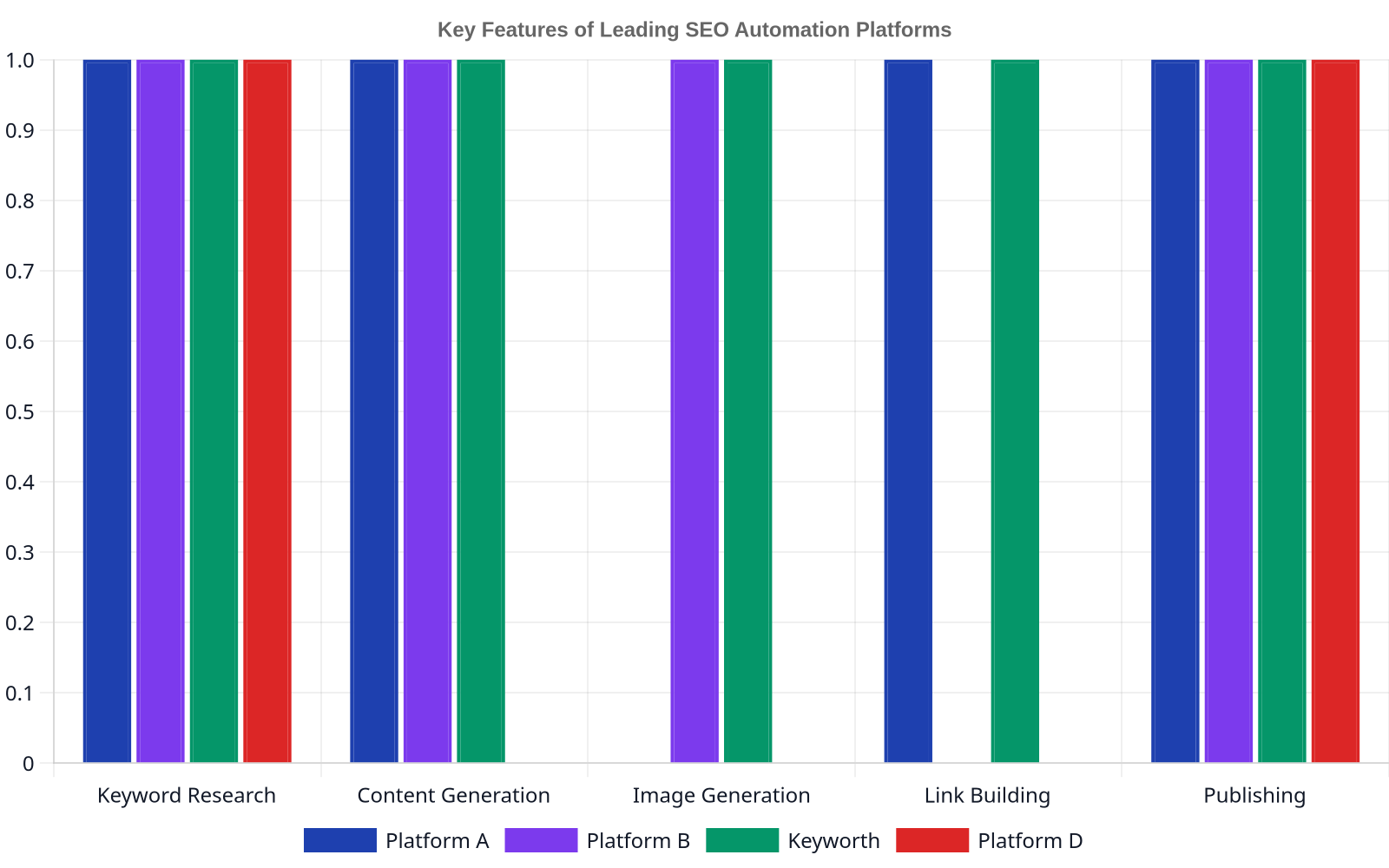
| Keyworth | Ahrefs | Semrush | Google Search Console | |
|---|---|---|---|---|
| Primary Use Case | Automated content & SEO | All-in-one manual SEO | All-in-one manual SEO & PPC | Performance monitoring |
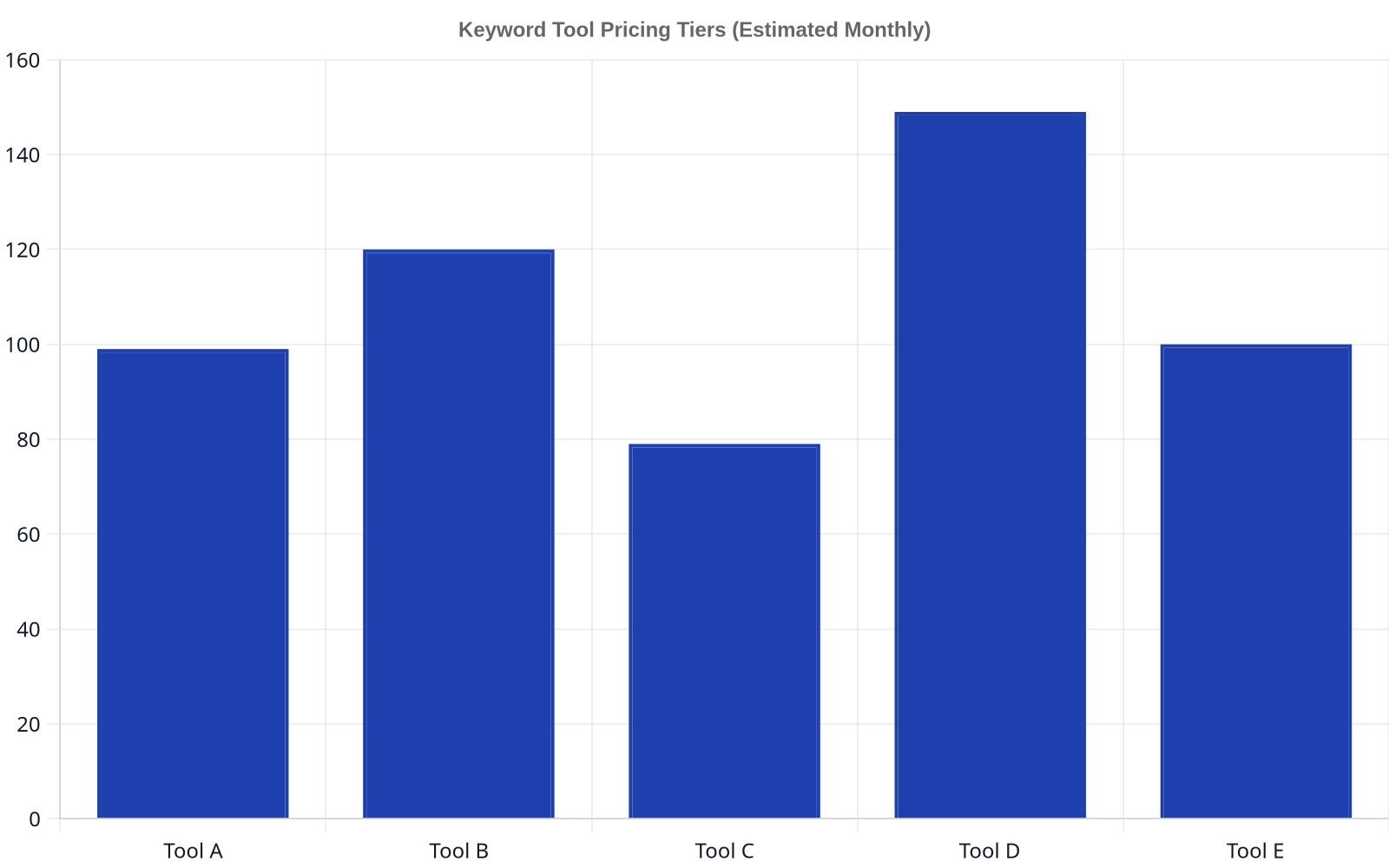
| Pricing | Tiered, based on output | Starts at $99/mo | Starts at $129.95/mo | Free |
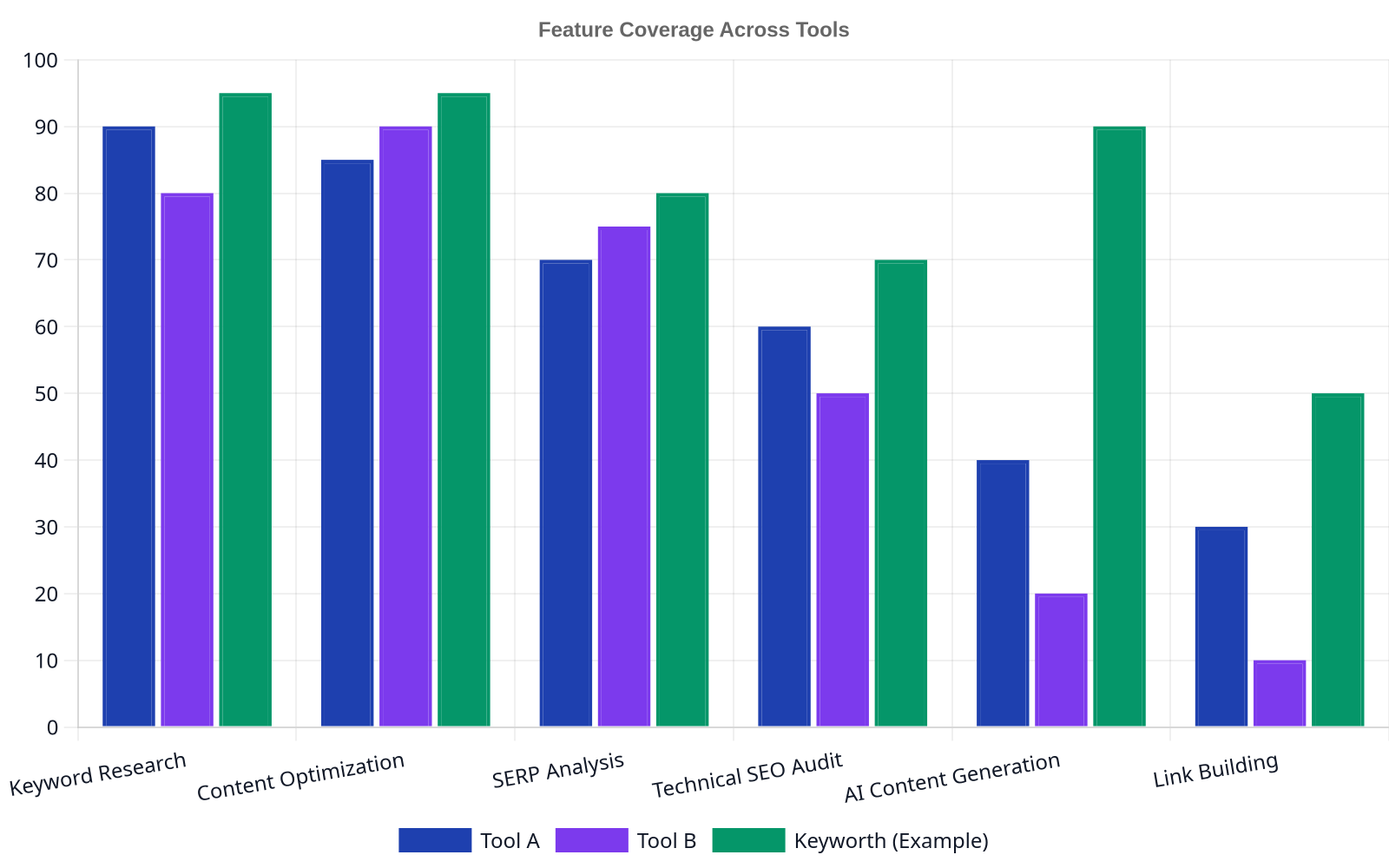
| Best Feature | Fully automated daily SEO content creation & publishing | Best-in-class backlink index and competitor analysis | Massive keyword database and robust PPC tools | Directon rankings, clicks, and errors |
| Watch Out For | Less manual control than traditional tools; it’s designed for automation. | Steep learning curve; can be overwhelming for beginners. | Pricing can escalate quickly with additional users or projects. | Provides data, not instructions. You must interpret and act on it. |
What Are SEO Tools and Why Do They Matter?
An SEO tool is any software or platform that helps you understand and improve your website’s visibility in search engines like Google and Bing. Since organic search drives 53% of all trackable website traffic, having visibility here isn’t optional. For a small business, this is the most sustainable way to attract customers without paying for every single click.
These tools move SEO from guesswork to a data-driven process. They provide the intel for critical tasks:
- Keyword Research: Finding the specific queries your potential customers are typing into search engines.
- Site Audits: Analyzing your website for technical issues (like slow page speed or broken links) that hurt your rankings.
- Rank Tracking: Monitoring your position for target keywords over time.
- Competitor Analysis: Reverse-engineering what’s working for your competition.
- Content Optimization: Ensuring your articles and landing pages meet the criteria to rank for your target keywords.
For a small business owner, the right toolset provides the same kind of insights a large corporation gets from an entire marketing department.
Key Criteria for Selecting SEO Tools
Before you pull out your credit card, evaluate every potential tool against these four criteria. A mismatch on any of these points will lead to a tool that gathers dust.
- Budget: The price range is enormous, from free to thousands per month. Be realistic about your budget. A $500/month tool is useless if you cancel it after two months. The goal is to find a tool whose cost provides a clear return on investment through increased traffic and leads. Some tools, like Google Search Console, are free and essential. Others require a significant investment that must be justified.
- Ease of Use: Many powerful platforms, like Ahrefs and Semrush, are built for SEO professionals and have a steep learning curve. A small business owner doesn’t have 20 hours to watch tutorials. If a tool isn’t intuitive, you won’t use it. An automated platform like Keyworth is built specifically to eliminate this learning curve, handling tasks like keyword research and publishing daily articles for you. This is a crucial consideration that many “best of” lists compiled by SEO experts tend to overlook.
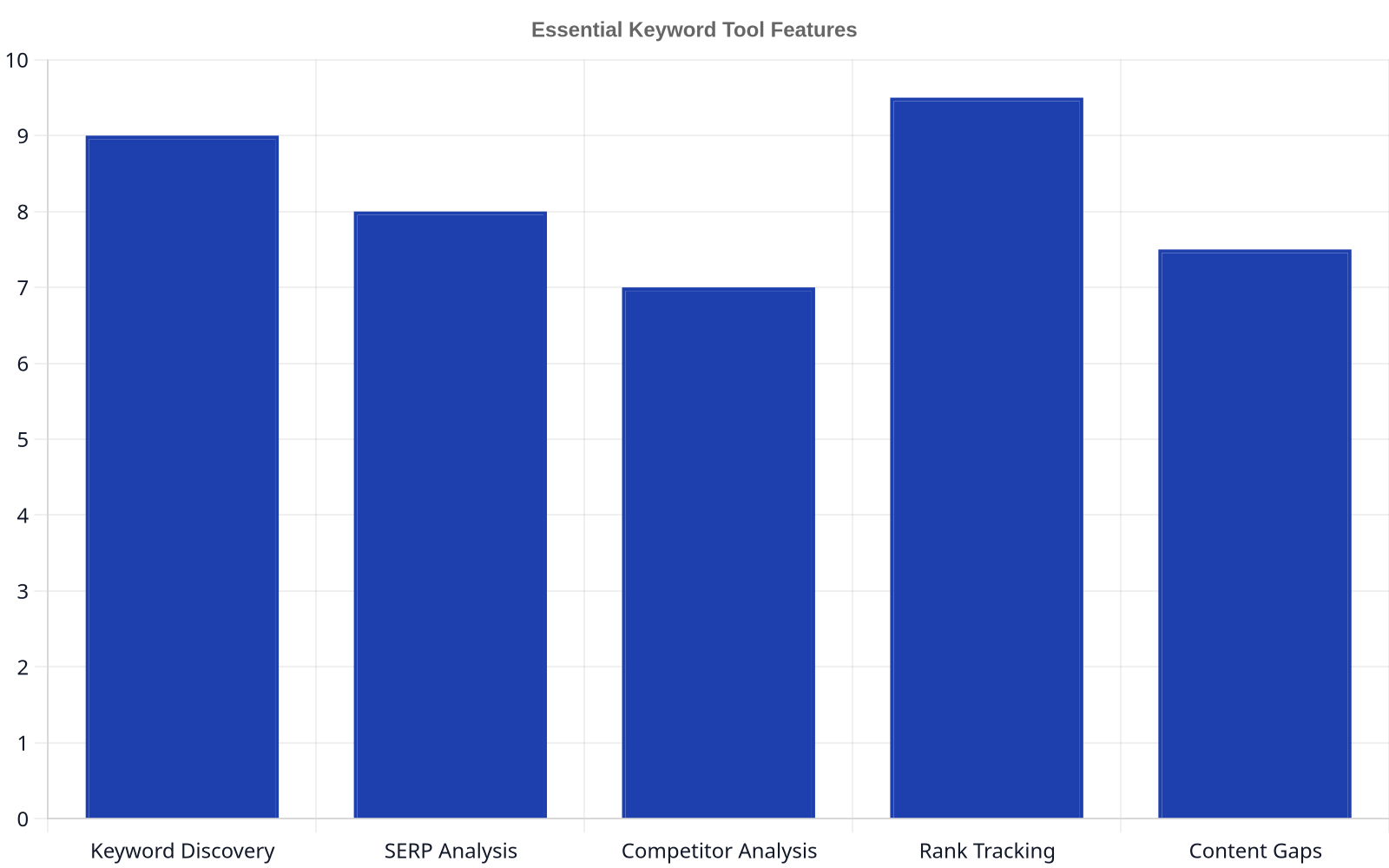
- Core Features: Don’t pay for a Swiss Army knife if you only need a corkscrew. Do you need to track 10,000 keywords or just 100? Do you need deep backlink analytics or just a simple site health check? Be honest about what you will actually use. Key features for most small businesses are keyword research, rank tracking, and a site audit function.
- Scalability: Will this tool grow with you? A tool might be perfect for you as a solopreneur, but what happens when you hire a marketing assistant? Consider user limits, project caps, and the number of keywords you can track. Your goal is to choose a solution that supports your business not just today, but in two years.
An In-Depth Look at the Top SEO Platforms
No single tool is “the best.” The best tool is the one that best fits your specific business context. Here’s a breakdown of the top contenders.
Keyworth: The Automation Platform
Keyworth operates on a different model from the other tools on this list. Instead of providing a dashboard of data and leaving the execution to you, it is an automation engine. You define your business and goals, and Keyworth’s AI generates and publishes SEO-optimized articles, builds internal links, and handles content strategy. This is ideal for the small business owner who understands the why of SEO but lacks the time to execute.
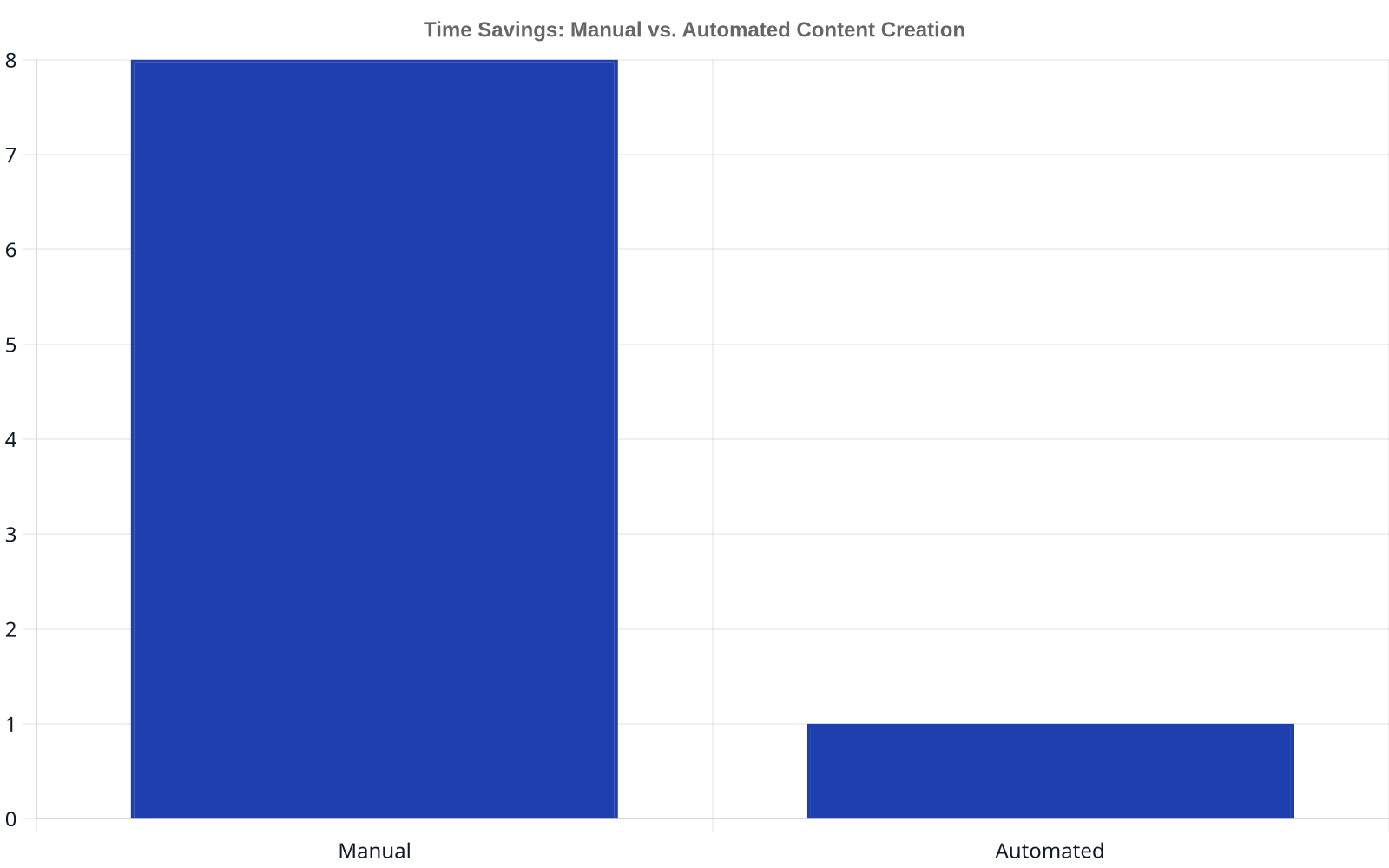
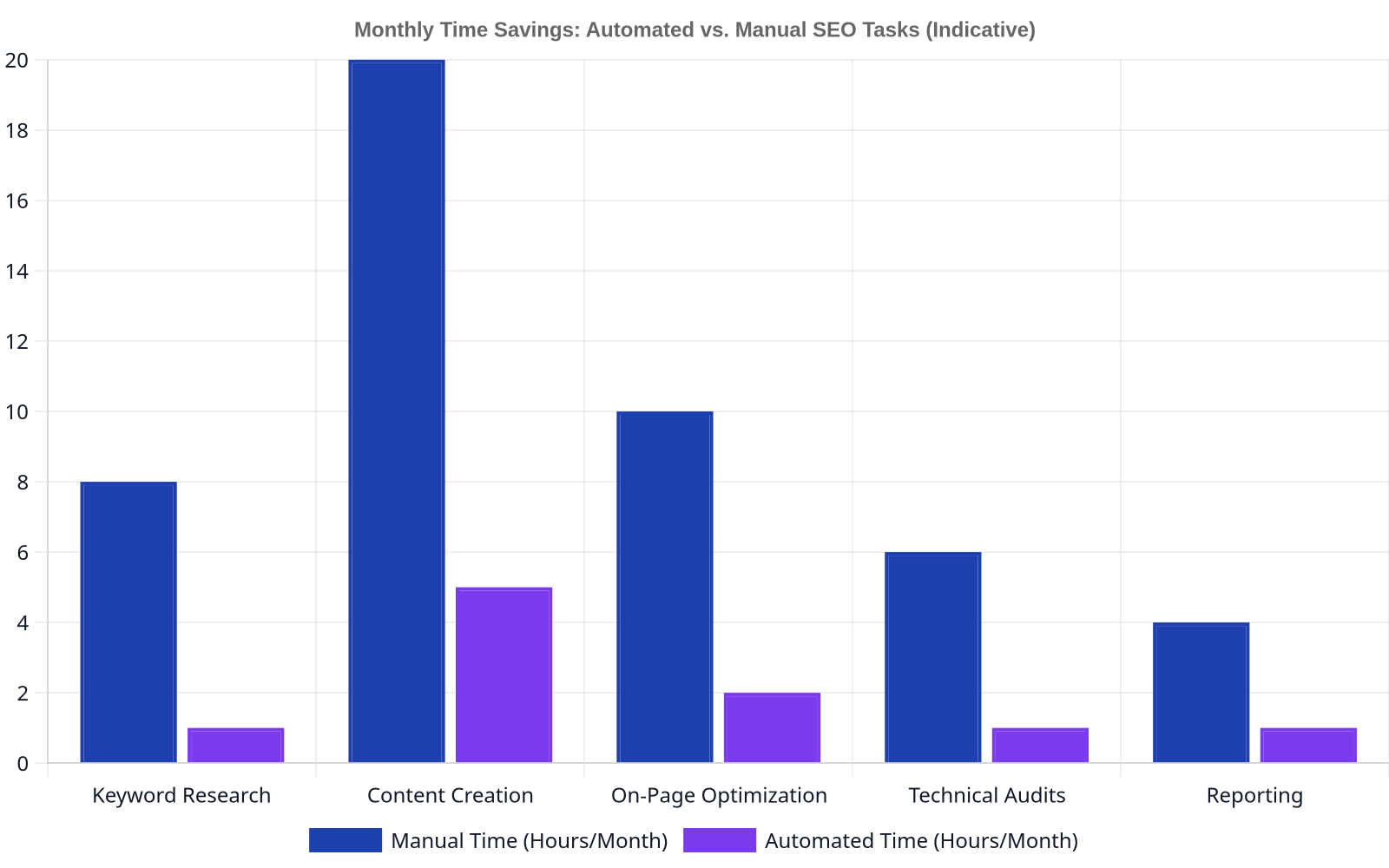
- Strengths: Its primary strength is automation. It saves dozens of hours a month on content writing, keyword research, and on-page optimization. For businesses like our client Wolverine Assemblies, the benefit is clear: they can focus on their core operations while their organic presence grows consistently. It’s a “set it and forget it” solution for foundational SEO.
- Weaknesses: If you are a hands-on SEO practitioner who wants to manually tweak every meta tag and run dozens of custom reports, this is not the tool for you. The platform is designed to handle the heavy lifting, which means ceding some granular control.
Keyworth isn’t a tool you use; it’s a system you deploy. It acts as your automated content and SEO team, executing a strategy instead of just providing data for one.
Ahrefs: The Power User’s Choice
Ahrefs is the gold standard for many SEO professionals, revered for the quality and breadth of its data, especially its backlink index. Its ‘Site Explorer’ tool can give you a staggeringly complete picture of any website’s organic search performance, including its top pages, keywords, and, most importantly, its entire backlink profile.
- Strengths: The backlink analysis is second to none. If your strategy involves building a strong link profile (and it should), Ahrefs is indispensable for finding opportunities and analyzing competitors. Its keyword explorer is also excellent, offering deep insights into search volume, keyword difficulty, and related terms. A 2021 analysis by Backlinko found a direct correlation between backlinks and higher Google rankings, making this feature critical.
- Weaknesses: The power comes at the cost of complexity and price. The entry-level “Lite” plan at $99/month has significant limitations, and the user interface can be intimidating for a newcomer. Without a solid understanding of SEO principles, you can easily get lost in the data without finding actionable insights.
Semrush: The All-in-One Marketing Suite
Semrush is Ahrefs’s closest competitor and offers a similarly vast suite of tools. Where Ahrefs is laser-focused on organic SEO, Semrush casts a wider net, with equally powerful tools for pay-per-click (PPC) advertising, social media marketing, and market research. This makes it a strong choice for businesses that want a single platform for multiple marketing channels.
- Strengths: Its keyword and competitor analysis tools are top-tier. A standout feature is the “Keyword Magic Tool,” which provides a massive database of keywords that can be filtered in dozens of ways. The platform also excels at identifying “keyword gap” opportunities: terms your competitors rank for but you don’t. For businesses running Google Ads, its PPC toolset is a major advantage, allowing you to analyze ad copy and spending strategies.
- Weaknesses: Like Ahrefs, it’s expensive and can be complex. The sheer volume of tools and reports can lead to analysis paralysis. Some users find its backlink index to be slightly less comprehensive than Ahrefs’, though it remains very powerful.
Google Search Console: The Essential Free Tool
Google Search Console (GSC) is non-negotiable. Every website owner, regardless of size or budget, should have it set up. It is Google’s own free tool that gives you direct insight into how the search engine sees your site. It shows you what keywords you’re actually ranking for, your click-through rates, and any technical or security issues Google has found.
- Strengths: The data comes directly from the source: Google itself. You can see your average ranking position, impressions, and clicks for any query. Its “Coverage” report is essential for diagnosing indexing problems, telling you exactly which pages are on Google and which aren’t (and why). It is 100% free.
- Weaknesses: GSC provides the “what,” but not the “why” or “how.” It will tell you that your ranking for a keyword dropped, but it won’t tell you it’s because a competitor just built 20 new backlinks. It provides diagnosis, not prescription. It’s a vital part of any toolkit, but it’s not a complete solution on its own.

Verdicts: Which SEO Tool Should You Choose?
Your choice should be dictated by your time, your budget, and your current expertise.
- Choose Keyworth if… you are a small business owner or solopreneur whose primary focus is running your business, not becoming an SEO expert. You need to see consistent growth in organic traffic without dedicating hours each week to manual tasks. You value an automated system that handles content, keywords, and links as a service.
- Choose Ahrefs if… you have some SEO knowledge (or are willing to learn) and your strategy is heavily focused on link building and deep competitor analysis. You have the budget for a premium tool and the time to dig into the data to find strategic advantages. It’s the professional’s choice for a reason.
- Choose Semrush if… you are running both organic SEO and paid ad campaigns and want a single, integrated platform to manage them. Its keyword research and content marketing tools are excellent, and the all-in-one approach can simplify your marketing stack.
- Choose Google Search Console if… you are any business with a website. This is not an “if,” it’s a “must.” Use it alongside any other tool you select to monitor your site’s fundamental health and performance directly from Google’s perspective.
Investing in a paid SEO tool is a decision about ROI. If the insights from a $100/month tool help you land one new client worth $1,000, the investment has paid for itself tenfold. The cost isn’t the expense; it’s the lost opportunity from not being visible.
Building Your SEO Strategy with a Mix of Tools
Most businesses don’t use just one tool; they build a stack. For a small business, this can be done cost-effectively.
- The Foundation (Free): Start with Google Search Console and Google Analytics. This combination gives you authoritative data on your site’s performance and user behavior.
- The Engine (Automated or Manual): This is where you make your core investment. If you need to save time, this is Keyworth, which automates the creation of SEO assets. If you have the time, this is Ahrefs or Semrush, which provide the data for you to create the assets manually. A 2024 survey showed that 34% of US adults prefer using traditional search engines to find information, underscoring the value of a dedicated engine for search visibility.
- Specialized Tools (As Needed): You can supplement your core engine with smaller, often free or low-cost tools. AnswerThePublic is great for brainstorming content ideas by visualizing search questions. SurferSEO can help optimize individual articles, though platforms like Keyworth have this functionality built-in. Content formats like “guides” and “how-to articles” consistently perform well, and tools that help structure this content are invaluable.
Ultimately, the goal of any SEO tool is to help you create a better user experience and provide more valuable information than your competitors. Don’t get so lost in the data that you forget the human on the other side of the search bar.
FAQ
Do small businesses really need paid SEO tools?
Yes, if they are serious about growth. While free tools like Google Search Console are essential, they only provide diagnostic data. Paid tools provide competitive insights, keyword opportunities, and workflow efficiencies that are nearly impossible to replicate manually. The investment pays for itself by saving dozens of hours and uncovering revenue-generating traffic sources.
Can I do SEO without any tools?
Technically, you can. You could guess what keywords to use, manually check your rankings, and write content hoping it aligns with what users want. But this is like trying to build a house without a tape measure. SEO tools provide the necessary data to make informed decisions, turning a game of chance into a predictable strategy.
What are the most important features for a small business?
For most small businesses, the critical features are: 1) Keyword Research to find what customers are searching for, 2) Rank Tracking to measure progress, and 3) Site Auditing to find and fix technical problems. Anything beyond these basics, like in-depth backlink analysis or PPC features, depends on your specific strategy.
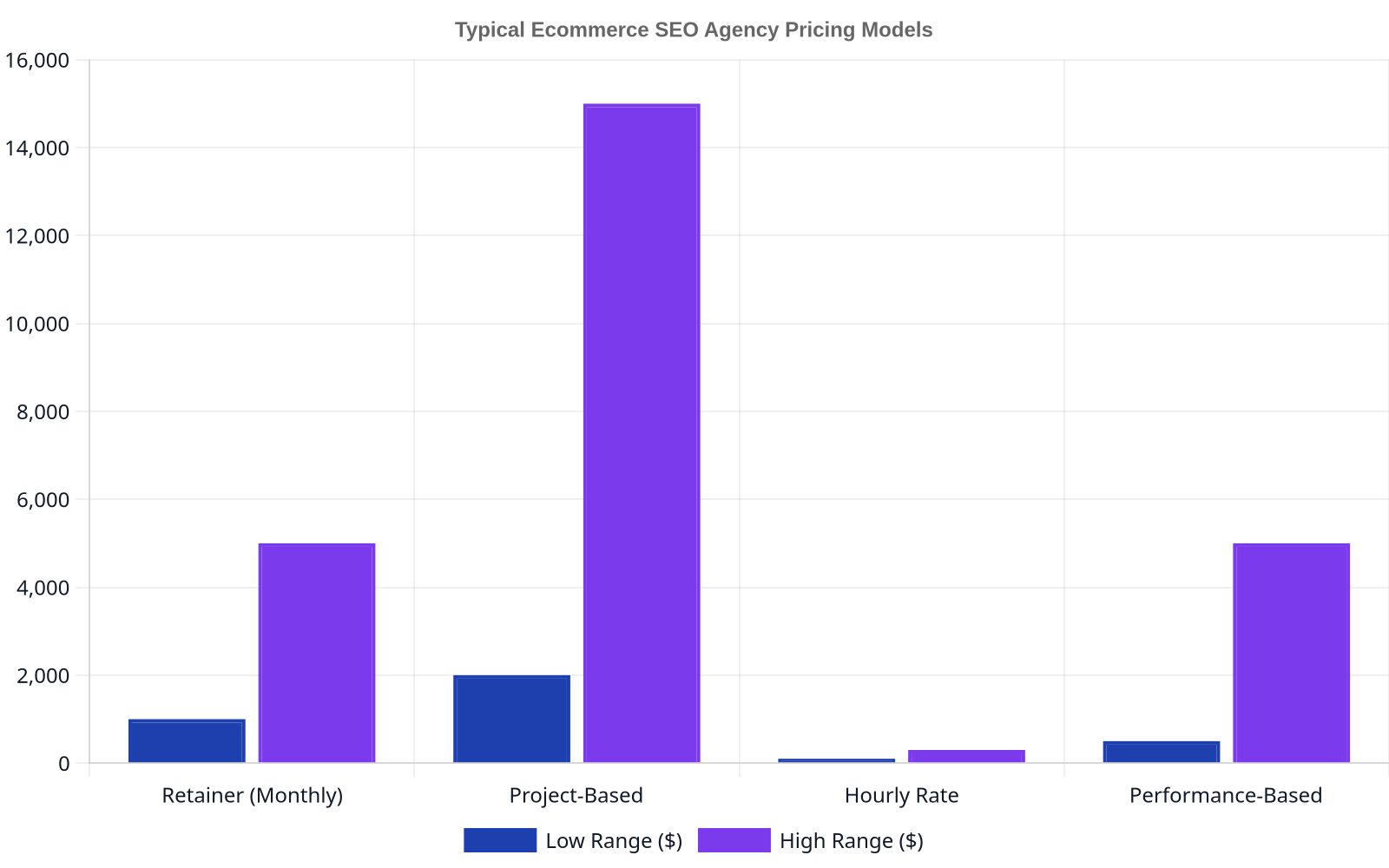
How much should I budget for SEO tools?
It varies dramatically. You can start for free with Google Search Console. Automated platforms like Keyworth have tiered pricing based on the volume of content and services.
How long does it take to see results from using SEO tools?
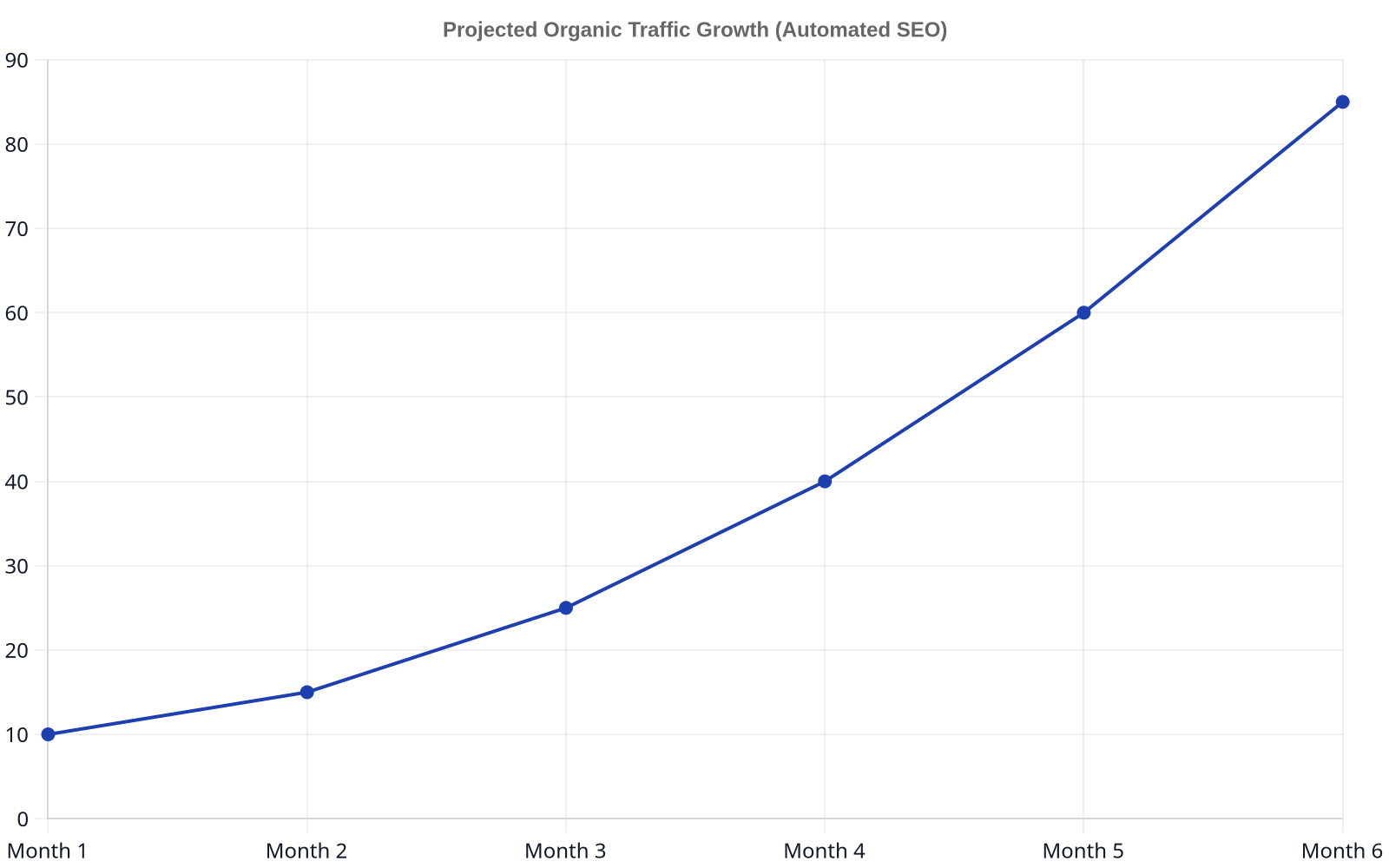
SEO is a long-term strategy. You can use a tool to identify and fix technical issues and see a ranking improvement in a few weeks. However, for content-driven and link-building efforts, it typically takes 4-6 months to see significant, stable traction. The tools speed up the process and improve the outcome, but they don’t eliminate the time it takes for Google to recognize and reward your efforts.