
Small business SEO costs can vary significantly, with retainers for competent agencies or freelancers often ranging from a few hundred to several thousand dollars per month. For cost-effective SEO tips for an SMB, focus first on local SEO, technical fundamentals, and high-quality content. You can also explore automated SEO services for budget-friendly options. These efforts can provide a strong return on investment, delivering tangible results without the large monthly retainers that larger corporations might pay. The key isn’t spending more; it’s about spending smarter on foundational activities that drive sustainable growth.
Understanding the Cost of SEO for SMBs
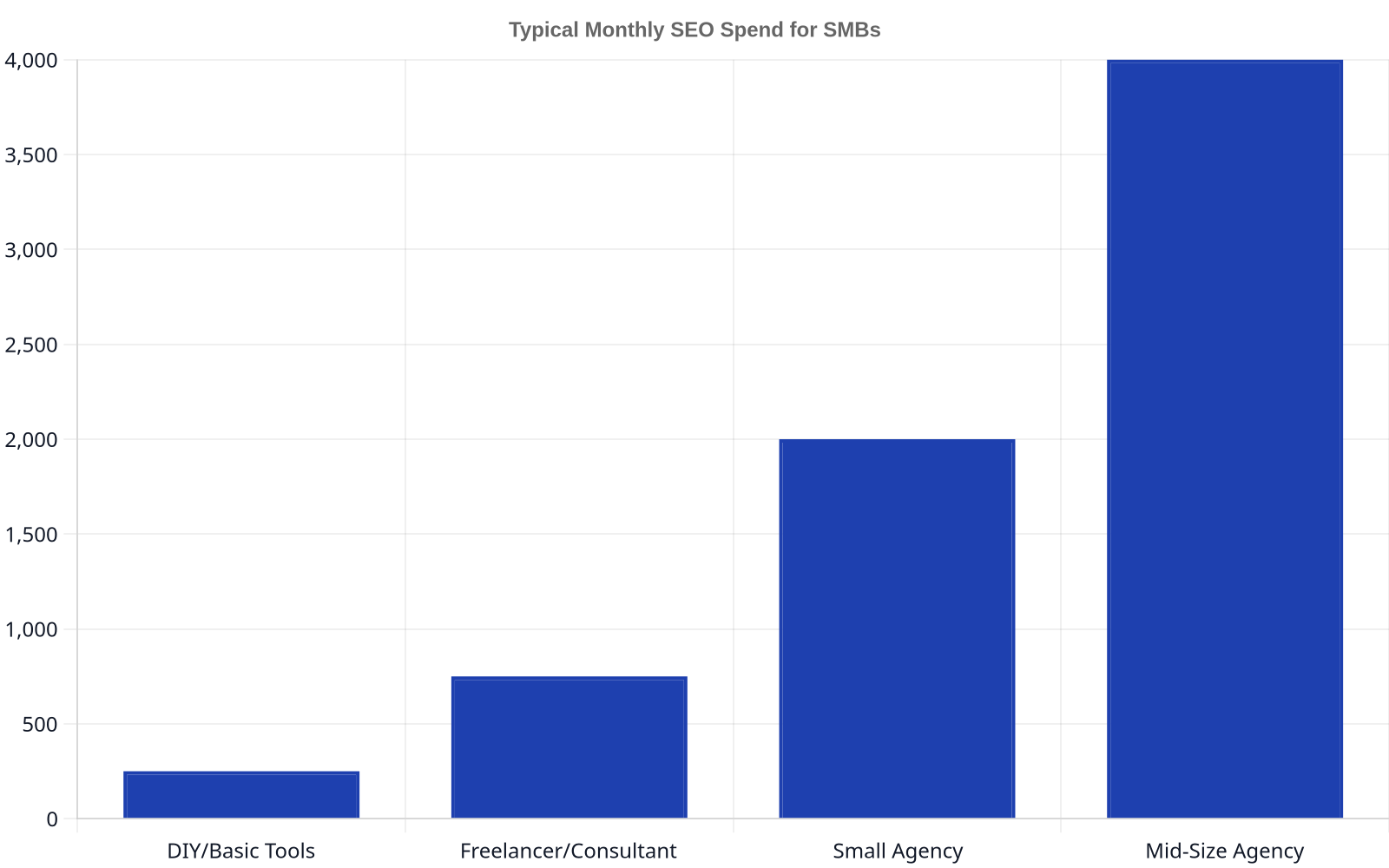
Many business owners hear “SEO” and immediately think of a massive, uncontrollable expense. That isn’t the reality. The cost of SEO is a direct function of the scope and speed you require. A B2B manufacturer like Wolverine Assemblies targeting a niche national audience will have a different budget and strategy than a local bakery competing in a single zip code. While a comprehensive agency retainer can be substantial, many SMBs find success with much leaner budgets. The key is to understand what you’re paying for.
A typical monthly SEO retainer breaks down into a few core components. The exact mix will vary, but you are generally paying for time and expertise applied to a specific set of tasks. Here’s a common breakdown of what’s included in a monthly SEO plan and the typical costs associated with each line item for a small business in 2026.
| Service Component | Typical Monthly Cost (USD) | What Drives the Cost Higher? |
|---|---|---|
| Technical SEO Audit & Fixes | A variable amount (often one-time) | Site size, platform complexity (e.g., custom builds), existing penalty recovery. |
| Content Creation (Blog Posts) | Article length, research depth, subject matter expertise required. | |
| Local SEO Management (GMB) | Number of locations, competitiveness of the local market. | |
| Link Building / Digital PR | Target authority of links, number of links built per month, outreach tactics. | |
| Keyword Research & Strategy | Niche competitiveness, number of product/service categories. | |
| Reporting & Analytics | Granularity of reporting, custom dashboard setup, number of goals tracked. |

What Moves the Price of SEO?
Four main variables determine where your business will fall within that typical monthly cost range. Understanding these drivers helps you set a realistic budget and negotiate more effectively with agencies or freelancers.
- Competition Level: Are you a roofer in a major metro area like Dallas, or do you sell specialized industrial equipment nationally? The more businesses are competing for the same keywords, the more effort (and budget) is required to rank. Ahrefs’ Keyword Difficulty score is a good proxy for this; higher scores demand more resources.
- Business Goals & Speed: Ranking for “best coffee shop in Austin” in a shorter timeframe requires a much more aggressive, and therefore expensive, strategy than a plan to gradually increase organic leads. A faster timeline means more content, more outreach, and more intensive technical work packed into a shorter period.
- Geographic Targeting: A single-location plumber has a much smaller battlefield than an e-commerce store shipping nationwide. National or international campaigns are inherently more complex and costly. A 2021 BrightLocal study showed that even within local SEO, pricing varies significantly based on the number of locations a business has.
- Current Website Health: Is your site brand new with zero authority, or is it an established domain with a history of content? A site with existing technical issues, a manual penalty from Google, or a thin content profile will require significant upfront work just to establish a healthy baseline. This “cleanup” phase adds to the initial cost.
Measuring SEO ROI: What to Expect
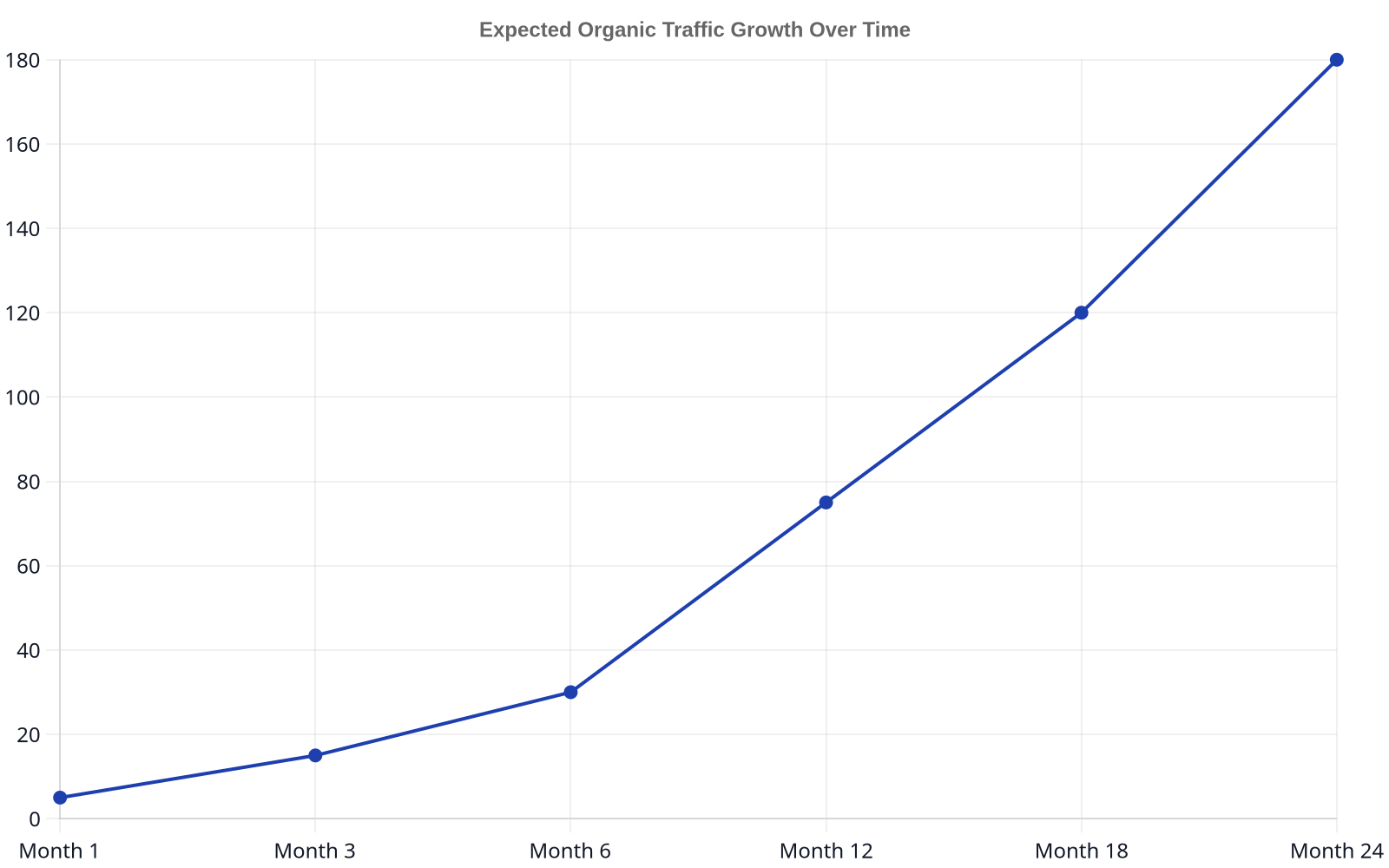
SEO is not a light switch. It is an investment that compounds over time. Unlike paid ads, where traffic stops the moment you stop paying, the content and authority you build through SEO can generate traffic and leads for years. Most SEO campaigns take 4-6 months to show significant, measurable results in traffic and rankings. This is because it takes time for Google to crawl and index new pages, for backlinks to be recognized, and for your site to build topical authority.
Investing in SEO is like planting a tree. You don’t get shade the next day. But with consistent care, it grows into a valuable asset that provides benefits long after the initial effort.
Don’t measure success solely by keyword rankings. The real metrics that matter are increases in qualified organic traffic, leads, and sales. Connect your website analytics to your business goals. For an e-commerce site, that means tracking organic revenue. For a B2B service provider, it’s about tracking form submissions and phone calls from organic visitors.
Cost-Effective SEO Strategies: Where to Focus Your Budget
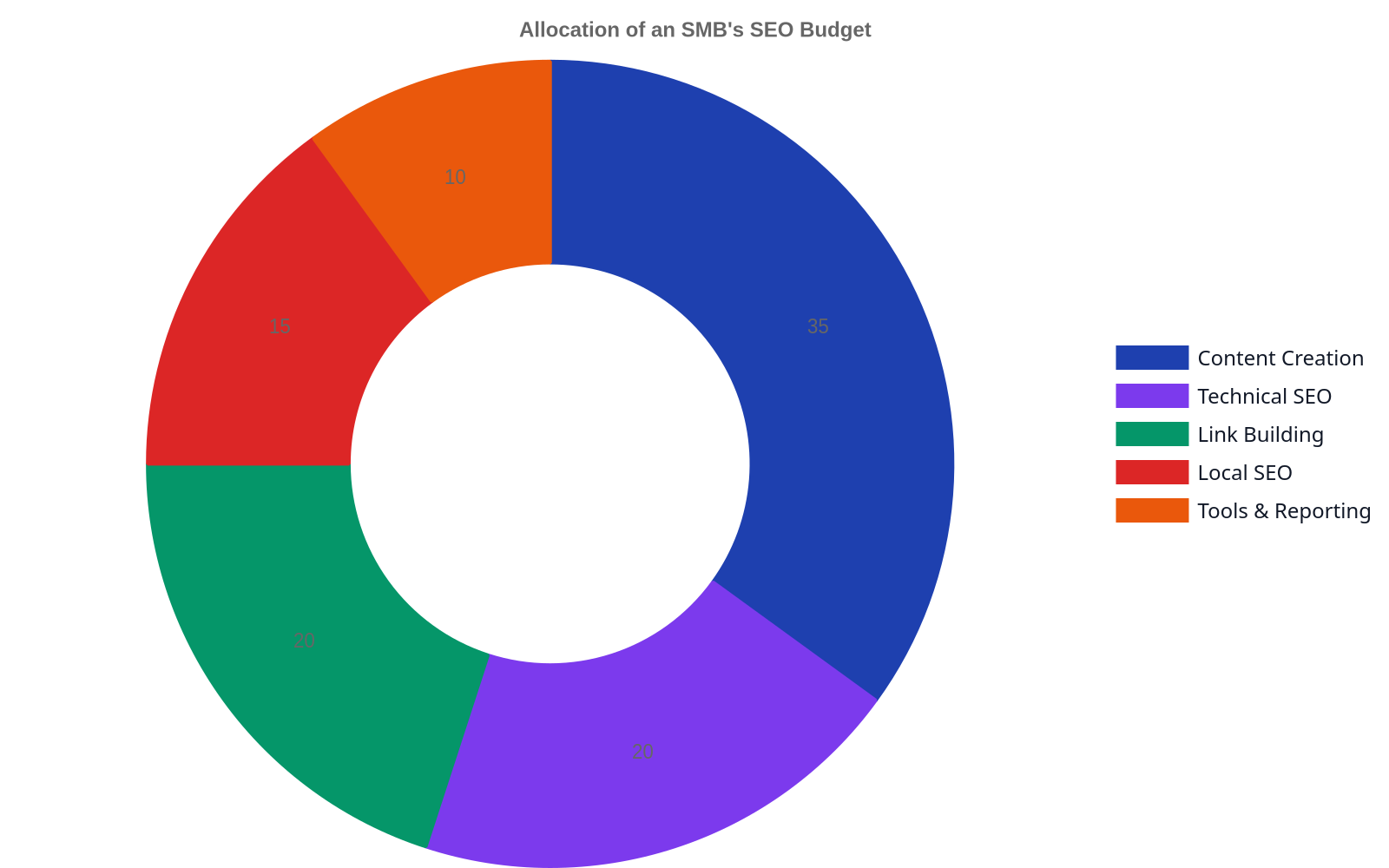
The goal for an SMB isn’t to do all the SEO things; it’s to do the right things. When every dollar counts, you must be ruthless in prioritizing tasks that have the highest potential return. Here’s where to focus a limited budget for maximum impact.
1. Master Your Local Search Presence
For any business with a physical location or service area, this is non-negotiable and offers the best bang for your buck. Claim and fully optimize your Google Business Profile (GBP). This means high-quality photos, accurate hours, a local phone number, and encouraging customer reviews. According to Google, searches for “local” and “business” have grown exponentially, and a well-managed GBP is your ticket to appearing in those valuable map pack results.
2. Create Genuinely Helpful Content
Instead of churning out generic blog posts, focus on answering the most common questions your customers ask. Use a tool like AnswerThePublic or simply talk to your sales team. A single, comprehensive article that solves a real problem for your target audience is worth more than ten thin, keyword-stuffed posts. This approach builds topical authority and attracts high-intent visitors. This is the core of modern content strategy, moving towards ai content autonomous systems that can scale this kind of high-value production.
3. Fix Your Technical Foundation
Your website needs to be fast, secure, and mobile-friendly. These are table stakes for SEO in 2026. Use Google’s free PageSpeed Insights tool to check your site’s performance. A slow site frustrates users and hurts your rankings. Simple fixes like compressing images, enabling browser caching, and upgrading your web hosting can provide a significant boost for a relatively small one-time cost.

4. Build a Smart Internal Linking Structure
This is one of the most powerful and underutilized free SEO tactics. A solid internal linking strategy helps Google understand the relationships between your pages and spreads authority throughout your site. Every time you publish a new blog post, look for opportunities to link to older, relevant content using descriptive anchor text. At Rank My Website, we’ve seen how proper internal linking can significantly lift the performance of key pages without building a single new backlink.
FAQ
How much should an SMB spend on SEO in 2026?
This allows for foundational work like local SEO, content creation, and technical monitoring.
Can I do SEO myself for free?
Yes, you can absolutely do SEO yourself using free tools and resources. Focus on optimizing your Google Business Profile, writing helpful content that answers customer questions, and ensuring your site is mobile-friendly. The main “cost” of DIY SEO is your time, and the learning curve can be steep.
What are the most common hidden SEO costs?
These are not always included in a basic SEO retainer.
How long does it take for cost-effective SEO to work?
You should expect to see measurable progress in traffic and leads within 4 to 6 months. While small wins like improved local rankings can happen faster, significant organic growth is a long-term strategy. Anyone promising page-one rankings in weeks is not being realistic.
Is paying for backlinks a good idea?
No, directly paying for backlinks is against Google’s Webmaster Guidelines and can lead to penalties. A legitimate SEO service focuses on earning links through high-quality content and outreach, a service often referred to as digital PR. This is a critical distinction that protects your site’s long-term health.