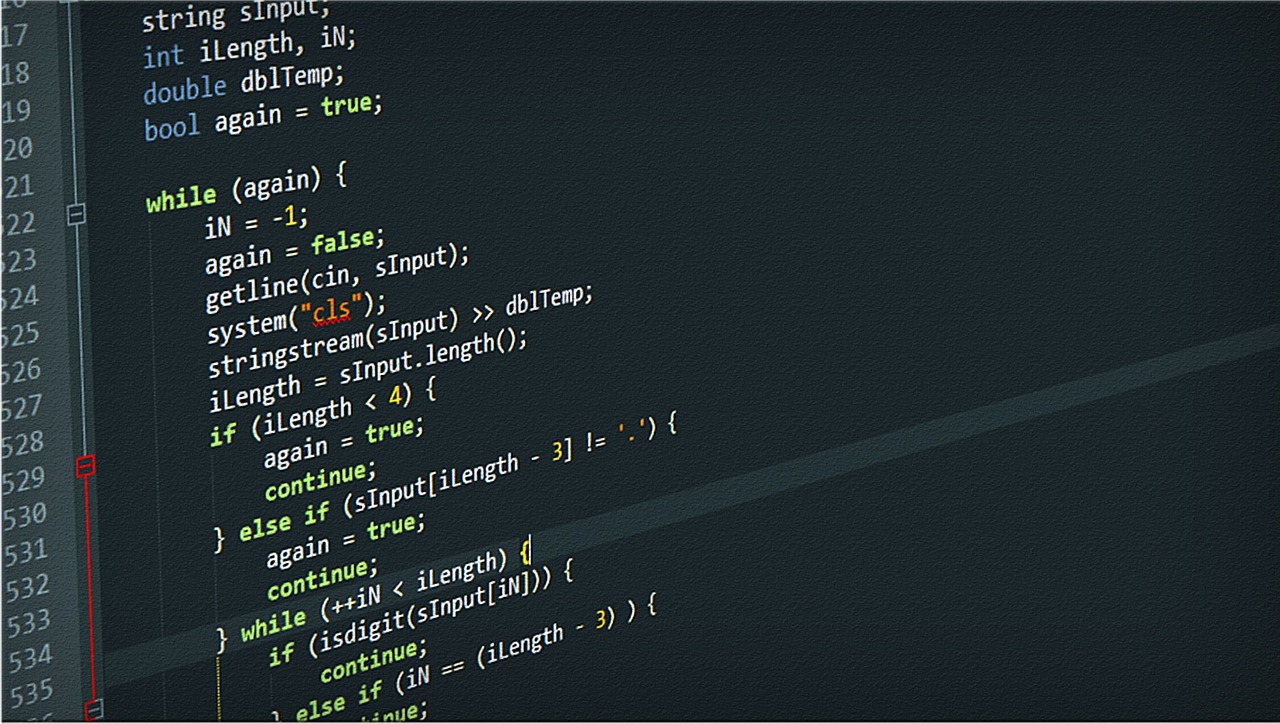
Most SEO practitioners treat schema.org/Blog/blog-schema-markup?srsltid=AfmBOorFM1rRGXh8bwR4TTeM9Apu-1C6qE7afZEP4eUuw0Tm2BO8amVb)) markup like a garnish—a little sprinkle of code to make things look pretty. This is a fundamental misunderstanding of its power. Schema isn’t a decoration; it’s a new language for communicating with search engines. It’s the difference between showing Google a picture of a book and handing it a detailed table of contents, author bio, and list of every character.
Schema markup for blog articles is a vocabulary of structured data, written in a format like JSON-LD, that you add to your site’s HTML. It explicitly tells search engines what your content is about—defining it as an article, specifying the author, publication date, and more. This direct communication helps Google generate rich snippets in search results, which can significantly increase visibility, click-through rates (CTR), and ultimately, your organic traffic by making your listings more informative and appealing to users.
Understanding Schema Markup: The Basics

At its core, schema is a collaborative project between Google, Microsoft, Yahoo, and Yandex, hosted at Schema.org. Think of it as a dictionary of agreed-upon terms that search engines understand. By using this dictionary to label your content, you remove all ambiguity.
This structured data is organized into a simple hierarchy:
- Types: These are the broad categories of things, like
Article,Recipe, orProduct. - Properties: Each Type has a set of properties that describe it. For an
Article, properties includeheadline,author, anddatePublished. - Values: These are the specific details for each property. The value for
headlinewould be the actual title of your blog post.
While there are a few ways to format this data, the universally accepted and Google-recommended method is JSON-LD (JavaScript Object Notation for Linked Data). It’s a script you typically place in the section of your HTML, making it clean and separate from your visible page content. This separation makes it easier to manage and less likely to be broken by website design changes.
Why JSON-LD is the Standard
Unlike older formats like Microdata or RDFa, which required you to embed tags directly into your body HTML, JSON-LD is self-contained. This makes it the preferred format for Google and for any developer who has to maintain the site. It’s easier to read, easier to generate automatically, and easier to debug—a trifecta of technical SEO wins.
How Does Schema Markup Benefit Blog Articles?
Implementing schema isn’t just a technical exercise; it produces tangible results that directly impact your blog’s performance. The primary benefit is earning “rich snippets”—visually enhanced search results that go far beyond the standard blue link and description.
These enhancements are not just cosmetic. According to one analysis, search results with rich snippets can see a click-through rate of 58%, compared to just 41% for listings without them. More clicks mean more traffic. This enhanced visibility is crucial. It’s not enough to just produce daily articles; each one needs to be an ambassador for your brand in the SERPs.
Key benefits include:
- Increased SERP Visibility: Rich snippets take up more real estate on the results page. An FAQ dropdown, a “How-to” carousel, or an article with an image thumbnail physically pushes competitors down the page.
- Higher Click-Through Rates (CTR): By providing more information up front (like a publication date, author, or key takeaways), schema-driven results help users qualify the link before they click. This leads to more, better-qualified traffic.
- Building E-A-T Signals: Author markup, for example, directly connects content to a specific person. By linking to an author’s bio page (which itself can have
Personschema), you build a verifiable chain of expertise that supports Google’s E-A-T (Expertise, Authoritativeness, Trustworthiness) framework. - Future-Proofing for AI Search: As Google incorporates more AI Overviews, having cleanly structured data is essential. Schema provides the factual, unambiguous data that these AI models need to generate answers and cite sources—your source.
Failing to use schema markup in 2026 is like publishing a book with a blank cover. People might still find it, but they’re far more likely to pick up the one with a compelling title, author photo, and summary.
Common Schema Types for Bloggers
While the Schema.org vocabulary is vast, a handful of types are essential for anyone publishing blog content. Choosing the right one is your first step.
Article, NewsArticle, and BlogPosting: What’s the Difference?
The most common point of confusion is which article type to use. While Google treats them similarly, there are subtle distinctions. Article is a broad, safe default. NewsArticle is for time-sensitive reporting. And BlogPosting is specifically for, well, blog posts.
| Schema Type | Best Use Case | Key Differentiating Properties |
|---|---|---|
BlogPosting |
The default for most blog content without a hard news angle. | blogPost, part of the Blog itemscope |
NewsArticle |
For factual, time-sensitive news stories. Can appear in “Top stories” carousels. | dateline, printEdition |
Article |
A generic type. A good fallback if the others don’t fit. Most flexible. | None; it is the base for the others. |
In practice, using BlogPosting or even just the general Article type is sufficient for over 99% of blogs. The key is consistency.
Other Essential Schema Types
FAQPage: If you have a question-and-answer section on your page, use this to mark up the questions and answers. This can result in a rich dropdown directly in the search results, capturing significant attention.HowTo: For step-by-step tutorials. This markup can enable a rich result that walks users through the process, complete with images for each step.BreadcrumbList: This identifies the navigation path to the current page. Google uses it to display clean, hierarchical breadcrumbs in the SERP, which helps users understand the site structure. This is also where a powerful internal linking strategy intersects with your schema, creating a web of context that Google can easily follow.Person: Used within your article markup to specify the author. You can add properties likename,url(to their social media or author page), andjobTitleto build authority.
How Search Engines Use Schema Markup
Search engine crawlers are incredibly sophisticated, but they still work by parsing code and interpreting signals. Schema markup acts as a direct line of communication, removing guesswork from the equation.
The process works like this:
- Crawl & Discover: Googlebot discovers a page on your site and begins to crawl its HTML content.
- Parse & Identify: During the crawl, it finds your