
The Best On-Page SEO Checker Software in 2026 (And What Actually Matters)
Most on-page SEO advice is a rehash of the same tired checklist from 2015. Title tag, H1, keyword density. Done. This is why so many pages with “perfect” on-page scores never rank. The best on-page SEO checker software isn’t a simple pass/fail grading tool; it’s a diagnostic instrument that reveals structural, semantic, and user experience issues that algorithms actually care about. It helps you see the page the way a search engine does. The best on-page SEO checker software for most businesses is one that integrates content generation, technical audits, and rank tracking, providing a holistic view of performance. Tools like Ahrefs offer deep technical analysis, while platforms like Keyworth automate the entire content lifecycle, from keyword research to publishing optimized articles.
Our Ranking Methodology
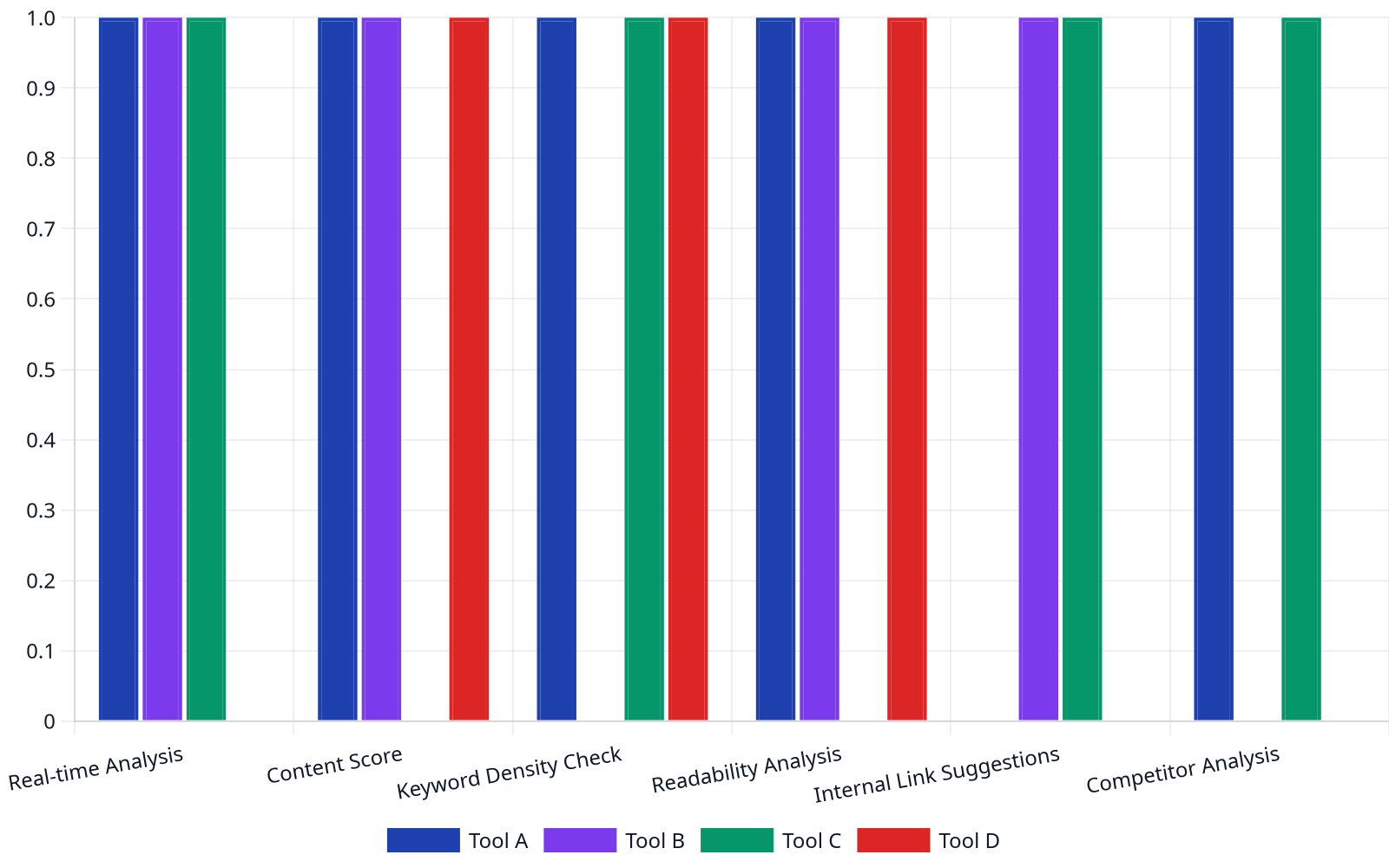
To cut through the marketing noise, we ranked this list of on-page SEO checker software based on a weighted score across four specific criteria. First, Technical Audit Depth (40%): the tool’s ability to crawl a site and identify a wide range of issues beyond basic meta tags, such as internal link structures, schema validation, and Core Web Vitals performance. Second, Content Optimization & AI Features (30%): how well the software assists in creating and refining content that aligns with search intent, including NLP analysis and SERP-based recommendations. Third, Integration & Workflow (20%): its ability to connect with other tools like Google Analytics and its overall usability for teams. Finally, Pricing & Value (10%): the cost relative to the feature set, particularly for small to medium-sized businesses. All tools were evaluated using their full-featured trial versions in March 2026.

Top On-Page SEO Checker Software Options
1. Keyworth
Keyworth is a different breed. Instead of just checking pages, it creates and optimizes them for you. It’s an AI-powered platform designed to automate the entire SEO content workflow. It starts with keyword research, generates SEO-optimized daily articles, builds out internal linking structures, and even assists with acquiring backlinks. This makes it less of a checker and more of a complete, automated content and on-page SEO engine. For businesses without a dedicated SEO team, this is the most direct path from zero to a high-performing content strategy.
The platform’s on-page capabilities are baked into its content creation process. Every article it generates is designed from the ground up to meet on-page SEO best practices, aligning with a specific keyword and user intent. This proactive approach prevents on-page issues before they ever happen, rather than just diagnosing them after the fact. It’s a compelling model for businesses that value efficiency and want to focus on their core operations, not on manually tweaking meta descriptions for hours each week.
- Best for: Businesses without a dedicated SEO team that need to automate the entire content creation and optimization workflow.
- Watch out for: It’s not a standalone technical SEO crawler for deep site audits; its strength is in content generation and optimization.
- Sourced Stat: According to a 2023 report from Gartner, 30% of outbound marketing messages from large organizations will be synthetically generated by 2025, signaling a massive shift toward automated content.
2. Ahrefs
Ahrefs is a powerhouse in the SEO world, and its Site Audit tool is a cornerstone of its offering. It’s one of the most comprehensive crawlers on the market, capable of digging deep into your website’s architecture to uncover hundreds of potential on-page and technical SEO issues. The tool checks for everything from broken links and improper redirects to missing Hreflang tags and slow-loading pages. Its “On page” report gives you a fast overview of title tags, meta descriptions, word count, and canonicals for every page.
What sets Ahrefs apart is how it connects on-page factors to off-page metrics. You can see how your internal linking strategy affects the “URL Rating” of your pages or how on-page optimizations impact organic traffic and keyword rankings, all within one interface. A 2022 analysis by SparkToro found a clear correlation between sites that appear in more searches and their domain authority, a metric Ahrefs is famous for. This integrated view is invaluable for understanding the real-world impact of your changes. It’s a professional-grade tool for SEOs who need to manage large, complex websites and diagnose nuanced technical problems.
- Best for: SEO professionals and agencies that need a deep, technical site crawler with robust backlink and keyword data.
- Watch out for: The sheer volume of data can be overwhelming for beginners, and it comes with a premium price tag.
- Sourced Stat: Ahrefs’ crawler processes up to 8 billion pages a day, making it one of the most active and comprehensive crawlers after Google itself.
3. Semrush
Semrush provides a suite of tools that is just as expansive as Ahrefs, with its own take on on-page SEO analysis. Its “On Page SEO Checker” tool is particularly effective because it doesn’t just give generic advice. Instead, it analyzes your page against the top-10 ranking rivals for your target keywords. This provides actionable, SERP-based recommendations for content length, semantic keywords to include, backlink sources to pursue, and even user experience signals. It’s a direct, competitive approach to on-page optimization.
An on-page checker that doesn’t analyze the current SERP for your target keyword is just a glorified spellchecker. It’s blind to the competitive context where ranking actually happens.
The platform’s Site Audit tool is also excellent, flagging over 140 technical and on-page issues. It integrates directly with Google Analytics, allowing you to prioritize pages that have high traffic but poor on-page metrics, a quick win for many sites. Semrush presents this data in a clean, task-oriented dashboard, making it easier for marketing managers and small business owners to take action without needing deep technical expertise.
- Best for: Marketers who want actionable, SERP-based recommendations for improving existing content and outranking specific competitors.
- Watch out for: Some of its most powerful features, like the competitive analysis, are limited in lower-tier plans.
- Sourced Stat: As noted by Backlinko in their extensive Semrush platform review, its competitive intelligence features are a key differentiator, providing insights into competitor strategies that few other tools can match.
4. SurferSEO
SurferSEO is laser-focused on one thing: helping you create and optimize content that ranks. While other tools bundle this with technical audits and backlink analysis, Surfer dedicates its entire feature set to on-page and content factors. Its primary tool, the Content Editor, analyzes the top-ranking pages for your target keyword and builds a dynamic brief. It provides recommendations on everything from word count and heading structure to important terms to include (based on TF-IDF and NLP analysis).
This approach turns on-page SEO from a technical checklist into a creative, data-driven writing process. The “Audit” feature allows you to run this same analysis on existing pages, identifying content gaps and optimization opportunities compared to current top performers. For content teams and copywriters, this is an incredibly intuitive way to ensure every piece of content is built on a solid on-page foundation. A Search Engine Journal article highlights how NLP is transforming SEO, and SurferSEO is a prime example of a tool that makes this technology accessible.
- Best for: Content writers, editors, and marketers who are primarily focused on creating and optimizing written content to rank.
- Watch out for: It lacks the deep technical crawling capabilities of Ahrefs or Semrush; it’s a content tool first and foremost.
- Sourced Stat: SurferSEO’s NLP algorithms analyze over 500 on-page signals to generate its recommendations, providing a highly detailed roadmap for content optimization.

5. Screaming Frog SEO Spider
For the technically-minded SEO, Screaming Frog’s SEO Spider is the original and, for many, still the ultimate on-page SEO checker software. It’s a desktop-based website crawler that gives you an exhaustive amount of data about your site’s on-page elements. It fetches key data points like title tags, meta descriptions, H1s, H2s, image alt text, and canonicals for every single URL. You can find pages with missing information, titles that are too long or too short, and duplicate content in minutes.
Its power lies in its raw, unfiltered data and customization. You can configure the crawl to extract specific elements from your HTML using CSS selectors, regular expressions, or XPath. This allows you to audit virtually any on-page element at scale, from schema implementation to tracking code presence. While it doesn’t offer the AI-driven content recommendations of SurferSEO or the all-in-one dashboards of Ahrefs, for pure, unadulterated on-page technical data, it is unparalleled. It’s the tool SEOs use to audit the auditors.
- Best for: Technical SEOs and agencies that need granular, customizable control over site crawls and data extraction.
- Watch out for: It has a steep learning curve and presents data in raw spreadsheets; it’s not designed for beginners or high-level reporting.
- Sourced Stat: The free version of SEO Spider allows you to crawl up to 500 URLs, which is often sufficient for initial audits of small to medium-sized websites.
Pricing and Value Proposition
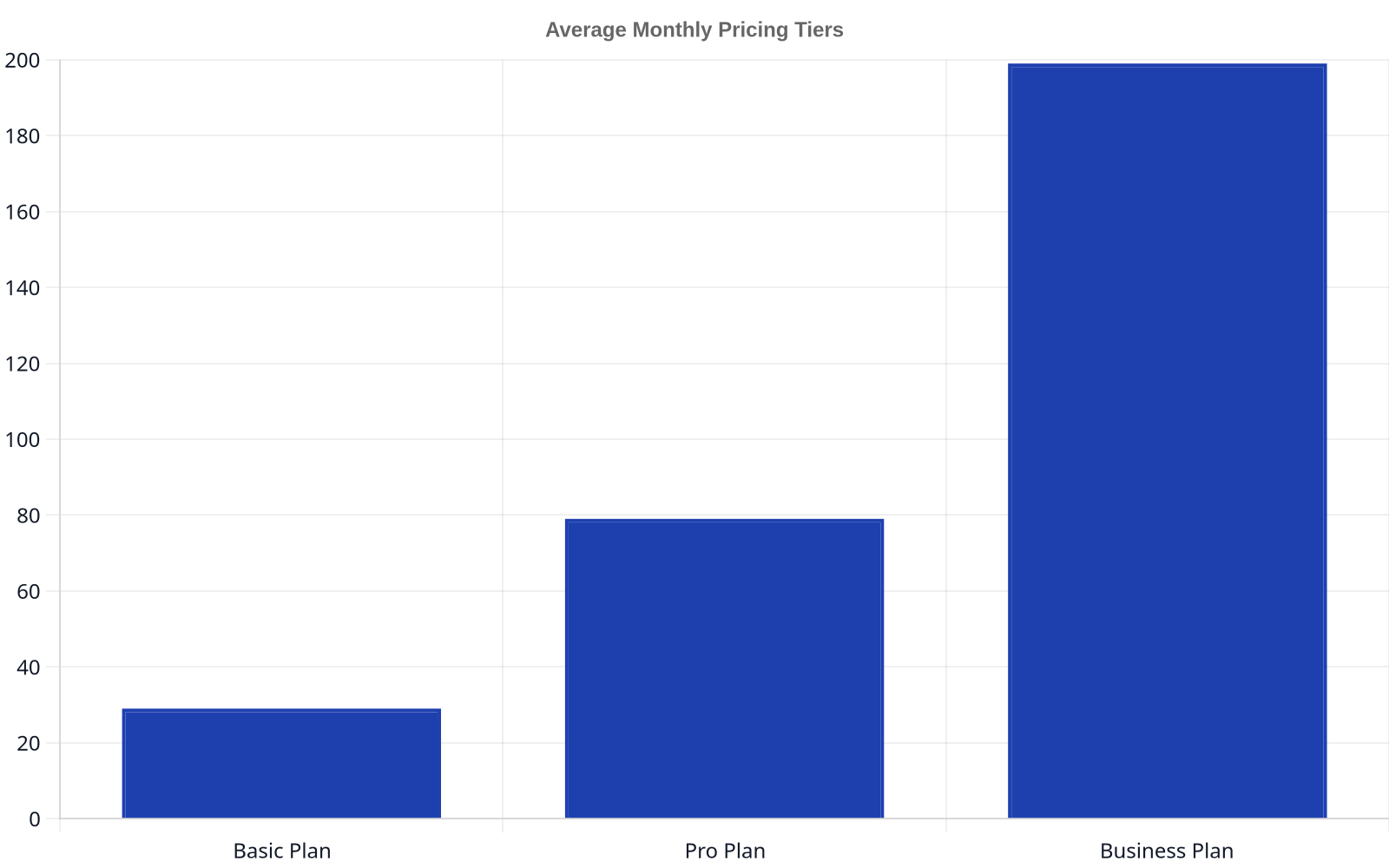
Here’s a summary of how these tools compare, focusing on their primary strengths and typical entry points. Pricing is a moving target, but this reflects the general market positioning in early 2026.
| Tool | Primary Strength | Ideal User | Starting Price (Monthly) |
|---|---|---|---|
| Keyworth | Automated Content & SEO | Hands-off SMBs | Varies (Platform model) |
| Ahrefs | Technical SEO & Backlinks | SEO Professionals | ~$99 |
| Semrush | Competitive Content Analysis | All-in-One Marketers | ~$129 |
| SurferSEO | Content Writing & Optimization | Content Teams | ~$89 |
| Screaming Frog | Deep Technical Crawling | Technical SEOs | ~$259/year (~$21/mo) |
Choosing the Right Tool for You
Your choice of on-page SEO checker software depends entirely on your role and resources. If you are a marketer focused on outmaneuvering competitors with better content, Semrush or SurferSEO provides the SERP-based intelligence you need.
However, for many small and medium-sized businesses, the problem isn’t just checking on-page factors; it’s the entire process of creating optimized content consistently. This is where a platform like Keyworth shines. It solves the root problem by automating the research, writing, and optimization, ensuring that every article is built correctly from the start. This can be a far more effective use of resources than manually checking and fixing pages after the fact, a strategy we have seen succeed with clients like Wolverine Assemblies who need to focus on their core business.
FAQ
What is the main purpose of on-page SEO checker software?
Its primary purpose is to analyze individual web pages to ensure they are optimized for search engines. This includes checking technical elements like title tags, meta descriptions, and header usage, as well as content elements like keyword placement, readability, and internal links. The goal is to identify and fix issues that could hinder a page’s ability to rank for its target keywords.
How is this different from a technical SEO audit?
A technical SEO audit typically looks at site-wide issues like site speed, crawlability, indexation, mobile-friendliness, and XML sitemaps. An on-page checker focuses more granularly on the content and HTML source code of individual pages. While there is overlap, technical SEO is about the foundation of the house, while on-page SEO is about the layout and content of each room.
Can I just do on-page SEO manually?
Yes, you can manually check for things like title tags, keyword usage, and alt text. However, software makes the process dramatically more efficient and scalable. A tool can crawl thousands of pages in minutes, identifying errors you would never spot by hand. Furthermore, advanced tools provide competitive data and NLP analysis that is impossible to replicate manually.
How often should I check my on-page SEO?
For new content, on-page SEO should be checked before publishing. For existing content, it’s good practice to run a check every 3-6 months or after any significant algorithm update. High-priority pages that drive significant traffic or revenue should be reviewed more frequently, perhaps quarterly, to ensure they remain competitive.
Does “perfect” on-page SEO guarantee a #1 ranking?
No. On-page SEO is a critical foundational element, but it is only one part of the ranking puzzle. Off-page factors (like backlinks), user experience signals, and overall domain authority play a huge role. A perfectly optimized page with no backlinks will rarely outrank an established page with a strong backlink profile, even if its on-page SEO is slightly worse.
Is keyword density still an important on-page factor?
Keyword density as a rigid percentage is an outdated concept. Modern search engines use more sophisticated methods like TF-IDF (Term Frequency-Inverse Document Frequency) and NLP to understand a page’s topic. It’s more important to use your target keyword and related semantic terms naturally throughout the content, in headings, and in key HTML tags. The goal is topical relevance, not hitting a specific keyword count.
Leave a Reply