
A podcast transcript is like a raw interview tape handed to a newspaper editor. It has every word, every “um,” every tangent about the guest’s dog. The editor still has to shape it into something a reader would actually choose to read. Dumping the tape straight into print isn’t the same job as writing the story.
That’s the core tension in this whole debate, and most producers never resolve it. They either spend three hours a week hand-writing show notes, or they paste a transcript onto the page and call it done. Neither choice, done alone, is the right answer.
Should you publish manual show notes or full automated transcripts for SEO?
Rev’s own support documentation settles a specific, narrow question: where should a transcript live on your site? Their guidance is to paste the transcript text directly into the episode’s web page or blog post, below the audio player or episode description, and to publish it as page text rather than a downloadable PDF so search engines can read it. A PDF sitting behind a download link is largely invisible to the crawlers that matter. Plain HTML text isn’t.
That single instruction carries a bigger implication than it looks like at first glance. It means the transcript and the show notes aren’t competing formats fighting for the same slot on the page. They’re meant to sit together. Rev’s guidance explicitly says to pull highlights from the transcript to write the episode description, social posts, and quotes, which only works if the full transcript exists somewhere crawlable in the first place.
So the real question isn’t manual versus automated. It’s whether you’re publishing both, in the right place, doing different jobs. A full transcript answers the long-tail, oddly specific queries, somebody searching the exact phrase a guest used at minute 34. Podder App’s framing of podcast transcript SEO makes the same distinction: correct the transcript against the audio, format it for someone who wants a specific answer, and keep show notes too, because a full conversation and an edited summary do different jobs.
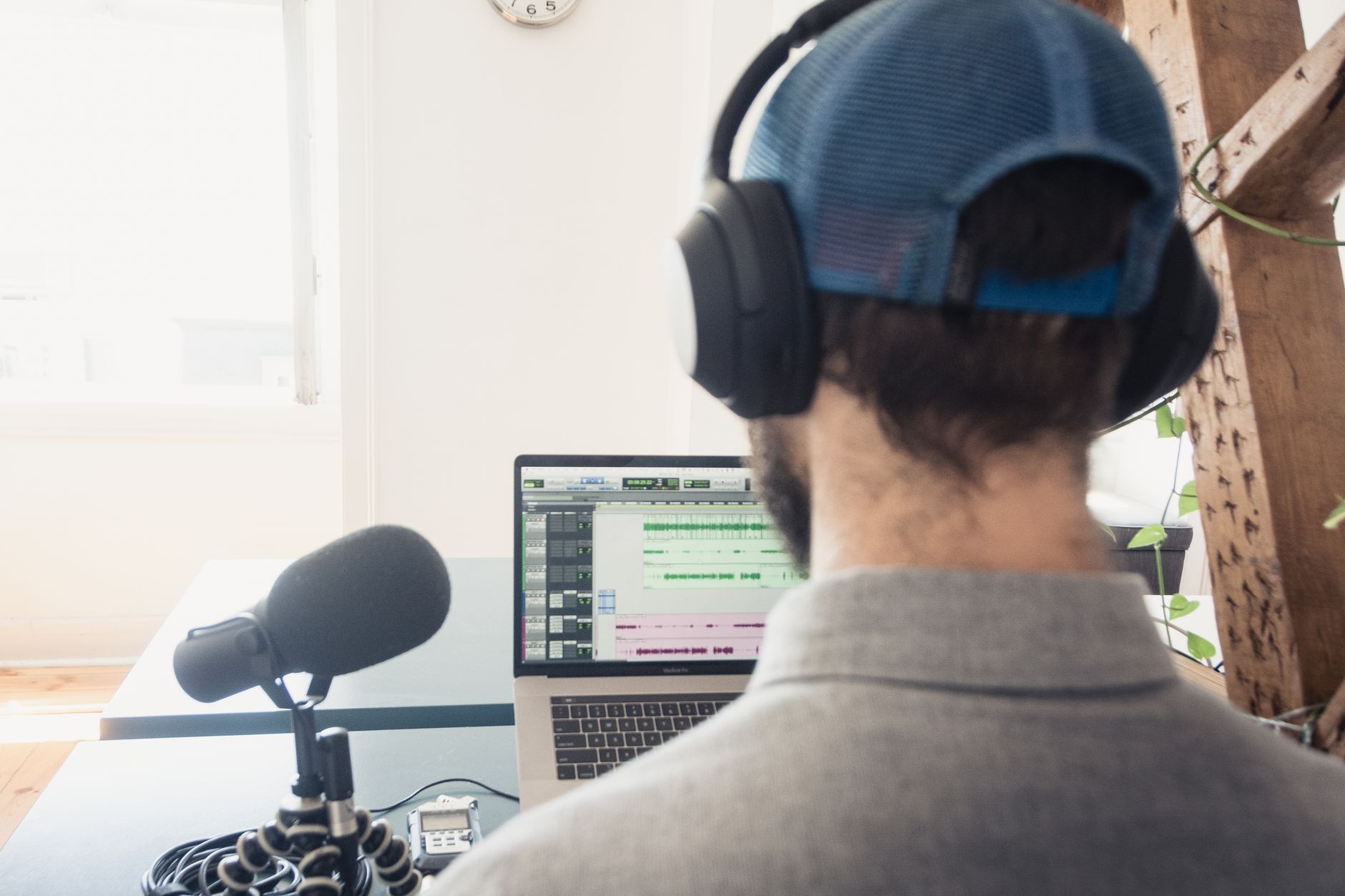
Skip the transcript entirely and you lose every long-tail query buried in the conversation. Skip the show notes and you lose the reader who wants a thirty-second answer before deciding whether to hit play. A lot of producers pick one. The ones who rank tend to publish both, correctly formatted, on the same page.
Dedicated AI platforms generate show notes and crawlable transcripts in minutes
Writing show notes by hand doesn’t scale, and most producers already know it. Content Allies has pointed out that most podcasters treat show notes like an afterthought, a quick summary dashed off just before publishing. That’s a time problem dressed up as a quality problem. Nobody writes rushed show notes because they don’t care. They write rushed show notes because an episode just ate their whole afternoon and there’s no time left.
This is exactly the gap AI show-note generators were built to close. Castmagic’s pitch is specific: their AI identifies relevant keywords and phrases inside the podcast audio itself and folds them into the show notes, which the company says helps search engines understand what the episode is about and makes it more likely to surface in relevant results. That’s a different mechanism than a human writer guessing at keywords after the fact. The tool is working from what was actually said, not from a vague memory of the conversation’s vibe.
Swell AI takes a broader swing at the same problem. It converts audio or video into transcripts, show notes, summaries, and social posts in one pass, and lets you set a brand voice and build reusable templates so episode twelve doesn’t read like it was written by a different person than episode one. That consistency matters more than people assume. A listener who bounces between five different show-note styles across a season has no idea what to expect from your page, and neither does a search engine trying to understand your site as a coherent topic.
Here’s the catch nobody mentions in the product pages: speed doesn’t mean accuracy. An AI can pull keywords and draft a summary in minutes, but it still needs a human to check that the summary actually represents what was said, not a plausible-sounding paraphrase of it. Treat the AI draft as a first pass, not a final one.
Should you trust the output blind? No. But refusing to use these tools at all, out of some instinct that automation can’t be trusted, means staying stuck writing notes from scratch every week, which is the exact bottleneck that got producers here.
Automated transcription cuts costs but requires validation for accessibility
Cost is the argument that actually moves people, so let’s deal with it directly. SEObot’s pitch is that AI tools can generate show notes, transcripts, and keyword analysis in minutes for as little as $1 per episode. Compare that to the hours a producer would otherwise spend transcribing and summarizing by hand, and the math isn’t close. For a weekly show, that’s the difference between a sustainable workflow and one that quietly drains the week.
But a dollar-an-episode transcript isn’t the same thing as a dollar-an-episode accessible transcript, and that distinction costs people later if they skip it.
AMT Lab’s comparison of Descript and Otter.ai flags a specific failure mode worth checking for: the AI isn’t always good at separating speakers in faster conversations or when voices sound similar. That’s not a nitpick. A transcript that mislabels who said what’s actively misleading, not just rough around the edges. If your show has two guests with similar vocal tone, or a host who talks over guests, expect the AI to blur the lines between them.
The fix isn’t complicated. Review the transcript against the audio and manually insert or correct speaker names where the AI guessed wrong. It’s tedious, but it’s a fraction of the time full manual transcription would take, and it’s the difference between a transcript you can confidently publish and one you’re hoping nobody scrutinizes too closely.

There’s a reason this matters beyond SEO. Apple’s own guidance on transcripts notes that if transcripts aren’t displayed, the show won’t be accessible to some audiences, including listeners who are deaf or hard of hearing. Roughly 505 million people listen to podcasts worldwide, and the World Health Organization’s figures, cited in Ditto Transcripts’ accessibility piece, put disabling hearing loss at around 5% of the global population. A transcript riddled with speaker mix-ups and misheard words fails those listeners even if it technically exists.
One more validation step worth doing before you trust an AI platform for distribution: check whether your transcripts actually show up where you expect. Apple notes that private RSS feeds aren’t processed in Apple Podcasts Connect, so transcripts won’t display for episodes that aren’t distributed to the Apple Podcasts catalog. If you’re troubleshooting a transcript that seems to have vanished, check your distribution settings before you assume the tool failed you.
Quick comparison
| Use Case | Pricing | Best Feature | Watch Out For |
|---|---|---|---|
| Full transcript on episode page | Varies by transcription provider | Crawlable text search engines can index directly | Must be pasted as page text, not a downloadable PDF, per Rev’s guidance |
| Manually written show notes | Producer’s time, no per-episode fee | Full editorial control over tone and emphasis | Easy to rush when time is short, per Content Allies |
| AI-generated show notes (Castmagic) | Not stated in source | Pulls keywords directly from the audio itself | Needs a human check on accuracy before publishing |
| AI-generated transcripts and notes (Swell AI) | Not stated in source | Brand voice settings and reusable templates for consistency | Still requires editing for tone fit across episodes |
| AI show notes/transcripts (SEObot) | As little as $1 per episode | Full keyword analysis bundled in | Low cost doesn’t replace accuracy review |
| Apple Podcasts auto-transcripts | Included when distributed to Apple | Generated automatically on submission | Not shown for shows on private, undistributed RSS feeds |
| Transcript speaker separation (manual fix) | Time cost only | Corrects AI confusion in fast or similar-voiced exchanges | AI is not always good at separating speakers in faster conversations, per AMT Lab |
Choose manual show notes if…
You run a small number of episodes, each one covers dense or technical material, and getting the framing exactly right matters more than speed. A manually written summary lets you decide what to emphasize instead of accepting whatever the AI flagged as a keyword.
Choose automated transcripts and AI show notes if…
You publish weekly or more, you’re already stretched across editing, guest booking, and promotion, and the real risk to your SEO isn’t publishing anything at all because there’s no time left. Pair the AI draft with a short manual review pass, and you get most of the speed without inheriting all of the errors.
Choose a hybrid workflow if…
You want both the long-tail search coverage from full transcripts and the short, scannable summary that gets someone to click play. This is the setup Rev’s own guidance points toward: publish the full transcript as crawlable text, then pull highlights from it to write the show notes, rather than treating the two as separate projects competing for your time.
Frequently Asked Questions
Are manual podcast show notes or automated transcripts better for SEO?
Neither alone beats the combination. A full transcript published as crawlable page text, per Rev’s guidance, captures long-tail search queries buried inside the conversation. Show notes, whether written by hand or drafted by an AI tool and then checked, give search engines and readers a scannable summary. Publishing only a transcript or only show notes leaves one of those two jobs undone.
Can AI-generated show notes replace a human writer?
They can replace the first draft, not the final check. Castmagic and Swell AI both generate notes and keyword-rich summaries directly from the audio, which saves the hours a manual draft would take. But AMT Lab’s testing found AI transcription struggles with speaker separation in fast or similar-voiced exchanges, and that kind of error needs a human to catch it before publishing.
Is it cheaper to automate transcripts than to write show notes by hand?
Per-episode cost for AI-generated transcripts and show notes can run as low as $1, according to SEObot. Manual writing has no direct fee but costs producer hours instead, which is the real expense for anyone publishing weekly.
Running both a transcript and show notes on every episode page is the version of this that actually compounds over time, but it only works if someone is checking the AI’s output before it goes live, not just scheduling the publish and moving on. Book a time with our team and we’ll show you what that looks like for your back catalog. Contact Keyworth to talk through your next step.
About the author

Abayomi Adenekan
SEO Specialist, 10+ years
Abayomi “Yomi” Adenekan built Keyworth. He has spent over ten years in growth marketing, SEO, and product. He began as a web developer and email marketing specialist, moved into paid media managing $13M a year in ad spend, and now leads growth at a podcast incubator with 1,300+ creators. He also runs Dynareach, his own SEO, web development, and branding agency. He holds an M.Sc. in Data-Driven Marketing from Universidade NOVA de Lisboa and lives in Lisbon.
Leave a Reply