Category: Uncategorized

  • Automated SEO for Your Website with AI Free in 2026: Truth

    Automated SEO for Your Website with AI Free in 2026: Truth

    Everyone wants a magic button for SEO. The idea of using automated SEO for a website with AI for free is the ultimate dream: set it, forget it, and watch the organic traffic roll in. But here’s the unpopular opinion: “free” automated AI SEO is an oxymoron. True automation is a system, not a freebie tool, and free tools rarely provide the strategic, interconnected workflow that actually moves the needle on rankings. Relying solely on them is like trying to build a house with just a free hammer.

    Automated SEO for a website with AI, especially when targeting “free” options, involves using software to handle repetitive optimization tasks without manual intervention. This includes keyword discovery, content creation, on-page optimization, and internal linking. While some free tools can automate isolated tasks, comprehensive and effective automation that generates high-quality content and strategic anlytics almost always requires a paid platform. True “set-it-and-forget-it” growth comes from an integrated system, not a collection of disconnected free utilities that require constant management.

    A child's finger touches the white, metallic finger of a robotic hand
    What “Automated SEO” Actually Means in 2026 (Photo by Kindel Media on pexels)

    What “Automated SEO” Actually Means in 2026

    The term “automated SEO” gets thrown around a lot, often incorrectly. A decade ago, it meant crude scripts that might spin articles or spam directories—tactics that get you penalized by Google today. In 2026, automation is about systematic efficiency, not corner-cutting.

    Beyond Simple Keyword Stuffing

    Early automation was clumsy. You gave a tool a keyword, and it stuffed that keyword into poorly written text. Modern AI-driven automation is fundamentally different. It analyzes search intent, identifies related semantic concepts, and structures content logically. Tools like SurferSEO or MarketMuse pioneered this analytical approach, and today’s automated platforms integrate that intelligence directly into the content generation process. It’s not about keyword density; it’s about topic authority.

    It’s a System, Not a Single Tool

    This is the most misunderstood part of SEO automation. You can’t just use a free AI writer and call your SEO “automated.” A true automation system connects multiple stages of the SEO workflow:

    1. Opportunity Identification: Continuously scanning for new keyword opportunities and content gaps.
    2. Content Creation: Generating draft articles based on those opportunities.
    3. Optimization: Ensuring the content is aligned with on-page best practices.
    4. Publishing: Pushing the content to your CMS (like WordPress or Shopify).
    5. Interlinking: Intelligently linking new articles to existing, relevant content on your site.

    Free tools typically only do one of these things, leaving you to manually bridge the gaps. This isn’t automation; it’s just using a tool.

    The Role of Machine Learning vs. Simple Scripts

    A simple script executes a pre-defined rule. For example: “If a blog post title is missing the keyword, add it.” Machine learning, on the other hand, learns from data to make predictions and decisions. An AI SEO platform uses machine learning to analyze the top-ranking pages for a given query and identify the patterns that lead to success. It then uses those patterns to inform content creation. This is a far more sophisticated process than what any simple, free script can offer.

    The Core Components of AI-Powered SEO Automation

    Mindmap showing AI SEO Automation connected to Keyword Research, Content Creation, On-Page Optimization, Technical SEO, and Performance Monitoring.
    Components of AI SEO Automation

    To achieve genuine automation, a platform needs to integrate several key functions into a cohesive engine. Think of it as an assembly line for organic traffic. A complete system handles everything from initial keyword research to publishing daily articles and even building an intelligent internal linking structure—core services essential for growth.

    1. Auditing and Opportunity Analysis

    Automation begins with understanding your starting point. An AI system continuously audits your site to find technical issues (like slow page speed or broken links) and content gaps. It connects to your Google Search Console and Analytics data to identify “striking distance” keywords—pages ranking on the second or third page that a content refresh could push to page one.

    2. Keyword Research and Clustering

    Manual keyword research is a time sink. Automated platforms use AI to discover thousands of long-tail keywords relevant to your business, then group them into logical topic clusters. This is critical for building topical authority, which Google’s Helpful Content System heavily rewards. Instead of targeting one-off keywords, you build a web of content that signals deep expertise.

    3. Content Generation and Optimization

    This is the AI feature that gets the most attention. Based on a selected keyword cluster, the system generates a full article. But it’s not just raw text. The AI incorporates target keywords, related entities, appropriate headings (H2s, H3s), and answers common questions related to the topic. Better platforms allow for tone and voice customization to ensure the content doesn’t sound robotic.

    4. On-Page & Technical SEO Fixes

    Great content can fail if technical SEO is a mess. Automated systems can handle many on-page elements without you lifting a finger. This includes generating meta descriptions, optimizing title tags, adding image alt text, and implementing schema markup. Some can even identify and suggest fixes for page speed issues or mobile usability problems flagged by Google.

    5. Internal Linking

    As your site grows, managing internal links becomes a nightmare. AI automation solves this by programmatically adding relevant links between your new and existing posts. When a new article about “AI content strategy” is published, the system automatically finds older posts on your site about “SEO basics” or “keyword research” and links them together, creating a powerful, interconnected site structure that boosts the authority of all pages involved.

    6. Performance Monitoring and Reporting

    The final piece of the puzzle is the feedback loop. An automated system tracks the rank of every article it publishes. It learns what’s working and what isn’t, allowing it to refine its strategy over time. Did articles with data tables rank higher? The AI will favor that format in the future. This is something a human would struggle to do at scale across hundreds of pages.

    An automated SEO platform isn’t a replacement for a strategist. It’s a force multiplier that executes a sound strategy with perfect consistency and tireless scale, freeing up the human to focus on high-level planning.

    The Landscape of Automated SEO Tools

    The market for these tools is noisy and confusing. They generally fall into three categories, and understanding the difference is key to avoiding disappointment.

    A laptop and a report with various charts, graphs, and data visualizations
    The Core Components of AI-Powered SEO Automation (Photo by AS_Photography on pixabay)

    “Free” vs. “Freemium” vs. “Paid”

    • Free Tools: These are typically single-function utilities. Think of a free meta description generator or a basic keyword density checker. They perform one isolated task and are useful in a pinch, but they offer zero integration or strategic automation. Searching for automated SEO for a website with AI free will mostly yield these types of tools.
    • Freemium Platforms: These are more powerful tools that offer a limited free plan. Ahrefs and Semrush do this with their Webmaster Tools. You might get a partial site audit or limited rank tracking. The goal is to show you the value of the platform to encourage an upgrade. They are great for learning but are not a long-term automation solution.
    • Paid Platforms (like Rank My Website): These are the true all-in-one automation systems. They integrate all the components discussed above into a single, managed workflow. You define the goals, and the platform executes the strategy from keyword research to content creation and monitoring.

    Point Solutions vs. All-in-One Platforms

    Another way to view the landscape is by function. A “point solution” does one thing really well (e.g., Jasper for AI writing, SurferSEO for content optimization). An “all-in-one” platform aims to do everything. The problem with stitching together multiple point solutions is that it creates a clunky, expensive, and manual “automated” system where you spend all your time managing the tools instead of working on your business.

    AI SEO Platform Feature Comparison

    Feature Free Tools Freemium Tools Fully Automated Platforms
    :— :— :— :—
    Keyword Research Very Limited (e.g., 10 queries/day) Basic (Limited reports) Comprehensive & Continuous
    Content Generation Limited (e.g., 500 words/month) Often not included At Scale (e.g., Daily Articles)
    On-Page SEO Single-page analysis only Site-wide audit (limited pages) Automated Implementation
    Internal Linking Manual Suggestions Only Manual Suggestions Only Automated Implementation
    Rank Tracking Manual or Not Available Limited (e.g., 10 keywords) Comprehensive & Automated
    Strategic Oversight None None Human + AI Hybrid

    How AI Automates Each Stage of SEO

    Flowchart depicting the AI in SEO workflow: Keyword Research leads to Content Generation, then On-Page Optimization, followed by Publication. Performance Monitoring then leads to Re-optimization/Update, which cycles back to Content Generation.
    AI in SEO Workflow

    Visualizing the automated workflow helps clarify how the pieces fit together. It’s a cyclical process, not a linear one.

    The Initial Setup: Connecting Your Data

    It starts with authorization. You grant the AI platform access to your Google Analytics and Google Search Console accounts. This is the bedrock of data-driven automation. Without this data, the AI is flying blind. You’ll also typically install a small plugin or script on your website (e.g., a WordPress plugin) to allow the platform to publish content and make on-page changes directly.

    The Content Flywheel: From Keyword to Published Post

    Once set up, the flywheel starts spinning.

    1. The AI analyzes your existing content and GSC data to find a high-potential keyword cluster.
    2. It generates a long-form article optimized for that cluster, complete with headings, lists, and optimized images.
    3. The draft may be sent to you for a quick review or, in a fully automated setup, published directly to your blog.
    4. Upon publishing, the platform automatically generates a meta description, optimizes the title, and adds schema markup.
    5. Crucially, it then scans your site and injects 2-3 internal links from relevant older posts to your new one, and adds links from the new post out to older ones.

    This entire process can happen daily without any manual input.

    The Optimization Loop: Monitoring, Learning, and Adjusting

    Publication is not the end. The AI immediately begins tracking the new article’s performance. It monitors keyword rankings, impressions, and click-through rates. This data feeds back into the system. If an article ranks well, the AI learns from its structure and attributes. If an article underperforms, it may be flagged for a future refresh or update. This feedback loop ensures the strategy becomes more effective over time—a key advantage that Ahrefs highlights as crucial for SEO success.

    The biggest mistake in SEO is inconsistency. An AI-powered system doesn’t get bored, doesn’t forget, and doesn’t get distracted. It executes the plan flawlessly every single day.

    Choosing the Right AI SEO Platform: Key Features and Considerations

    Flowchart guiding decision-making for AI SEO platforms. It starts with 'Need AI SEO Platform?', branches based on budget, then content needs, and finally integration needs, leading to final selection.
    AI SEO Platform Decision Flow

    Not all automated platforms are created equal. When evaluating options, especially when moving from free tools to a real solution, focus on these critical areas.

    Integration Capabilities (CMS, Analytics)

    Does the platform integrate directly with your website’s content management system? A platform that can publish directly to WordPress, Shopify, or Webflow is infinitely more automated than one that just emails you a text file. Seamless integration with Google Analytics and Search Console is non-negotiable.

    Quality of AI Output vs. “Robotic” Content

    Ask for samples. Read the content the platform produces. Early AI content was notoriously robotic and easy to spot. Modern models are much better, but quality still varies. The best platforms use multiple AI models and proprietary fine-tuning to create content that is genuinely helpful, engaging, and aligned with your brand voice. The goal is to produce content that passes the ultimate test: a human reader can’t tell it was written by an AI. Discover how the best ai platforms transform your content workflow from keyword to ranking. Reputable studies on AI detection show that high-quality AI text can be indistinguishable from human writing, which is the standard to aim for.

    Scalability and Pricing Models

    Consider your growth. A platform that limits you to a handful of articles per month may not be sufficient. A truly automated solution should scale with you. At Rank My Website, for instance, we focus on a model that delivers daily articles, because content velocity is a major ranking factor. Look for pricing that aligns with the value delivered—traffic and leads—not just the volume of words produced. For many businesses, the cost of an automated platform is significantly less than hiring an in-house SEO manager or a traditional agency.

    Case Study Example: Growing Without the Grind

    For a company like our client Wolverine Assemblies, the team is focused on manufacturing excellence, not on becoming SEO experts. They don’t have time to manage a dozen different software tools. They need a unified system that handles SEO from start to finish, allowing them to focus on their core business while their organic presence grows reliably in the background.

    A robotic hand holds a spoon in a bowl of computer keyboard keys
    The Landscape of Automated SEO Tools (Photo by AlphaTradeZone on pexels)

    The Risks and Limitations of “Free” AI SEO Automation

    While the allure of “free” is strong, it comes with significant hidden costs and risks.

    Data Privacy and Ownership Concerns

    When you use a free tool, you are the product. These companies may use the data you provide—your keywords, your website information—to train their models or for other purposes you haven’t agreed to. With a reputable paid platform, your data and the content produced are your intellectual property.

    The “Good Enough” Content Trap

    Free AI writers can produce text that is grammatically correct but lacks substance, originality, or strategic insight. This “good enough” content pollutes the web and is precisely what Google’s updates are designed to devalue. According to a 2024 Gartner report, organizations that fail to move beyond tactical AI content generation will see their results flatline. Publishing mediocre content is worse than publishing nothing at all.

    Lack of Strategic Oversight

    The biggest risk is mistaking activity for progress. A free tool can help you churn out 100 articles, but if they aren’t based on solid keyword research, target the wrong audience, or aren’t internally linked, you’ve just created 100 pieces of digital garbage. True automation requires a strategic layer that guides the AI, a feature absent in free tools.

    Building a Sustainable Automated SEO Strategy

    Automation is a powerful tool, but it needs a smart strategy to be effective.

    Start with a Solid Foundation: Technical SEO

    Before you automate a single piece of content, ensure your website is technically sound. It must be mobile-friendly, load quickly, and be easily crawlable by Google. No amount of AI content can compensate for a broken technical foundation. Use Google’s free PageSpeed Insights tool to get a baseline.

    Use AI for Scale, Humans for Strategy

    The optimal approach is a hybrid one. Let humans set the high-level strategy: define the target audience, select the core business topics, and determine the brand voice. Then, deploy the AI automation platform to execute that strategy at a scale no human team could match. The AI handles the repetitive work—the daily grind of content creation, optimization, and linking.

    Measuring What Matters: From Rankings to Revenue

    Don’t get mesmerized by vanity metrics like “number of articles published.” The goal is not to create content; the goal is to drive business results. Track metrics that matter: organic traffic growth, keyword rankings for commercial terms, and, most importantly, conversions and leads generated from that traffic. A good automated platform will provide a dashboard that connects SEO performance directly to these business outcomes.

    Frequently Asked Questions

    Can AI fully automate SEO?

    AI can automate most of the repetitive tasks within SEO, such as keyword research, content creation, on-page optimization, and internal linking. However, it cannot fully replace human strategic oversight. High-level strategy, brand anlysis, and final creative judgment still require a human expert to guide the AI system and ensure its output aligns with business goals.

    Is free AI-generated content good for SEO?

    Generally, no. Free AI tools often produce generic, low-quality content that lacks the depth and originality Google rewards. This type of content can fail to rank and may even be flagged as unhelpful by Google’s algorithms. Quality and strategic relevance matter far more than just publishing AI text.

    What’s the best free tool for automated SEO with AI?

    There is no single “best” free tool for complete automation, as free tools are typically limited to a single function. You would need to cobble together multiple tools for writing, keyword analysis, and on-page checks. For a taste of automation, Google Search Console and the free versions of Ahrefs or Semrush are good starting points for analytics, but they are not content automation engines.

    How does AI handle complex tasks like backlink building?

    Currently, AI is not effective at fully automating relationship-based backlink acquisition. While AI can identify potential backlink targets or draft outreach emails, the human element of building relationships and negotiating placements remains critical. Platforms that claim to “automate backlinks” are often using risky, low-quality tactics that can harm your site.

    Can Google detect AI-generated content?

    While Google has technologies to identify spammy, low-effort AI content, its stated policy is to reward helpful, high-quality content, regardless of how it was produced. If AI is used to create well-researched, original, and valuable content for the user, it is perfectly acceptable for SEO. The focus is on quality, not the method of creation.

    At the end of the day, achieving meaningful growth through SEO requires a consistent, strategic, and high-quality effort. While the promise of a completely free, automated AI solution is tempting, true autopilot growth comes from an integrated system that handles the entire workflow with intelligence. If you’re tired of tinkering with a dozen disconnected tools and want to put your organic growth on a reliable, scalable footing, it may be time to consider a fully managed solution. Explore how Rank My Website delivers a complete, done-for-you automated SEO service that moves beyond simple tools to become your dedicated growth engine.


  • AI SEO Automation Services: Stop Chasing Algorithms in 2026

    AI SEO Automation Services: Stop Chasing Algorithms in 2026

    Most founders think of AI SEO as a robot that writes blog posts. They buy a tool, feed it a keyword, and get a mediocre article that ranks for three days and then disappears. This isn’t automation; it’s just a faster way to create content that doesn’t work. True ai seo automation services are not tools, but integrated systems designed to manage the entire organic growth lifecycle. These services act as an autopilot for your content strategy, handling everything from initial keyword research and clustering to generating and publishing optimized articles, building internal links, and tracking performance over time, all with minimal manual input.

    AI SEO automation services are designed to create a self-sustaining content engine that drives compounding traffic growth, freeing your team to focus on high-level strategy instead of a mountain of manual tasks. It’s about building a system, not just speeding up a process.

    White and blue robot with an illuminated face stands against a tech background
    The Evolution of SEO: From Manual Tasks to AI-Powered Automation (Photo by Kindel Media on pexels)

    The Evolution of SEO: From Manual Tasks to AI-Powered Automation

    For years, SEO was a craft of manual, repetitive labor. We lived in spreadsheets, spent hundreds of hours on site audits, and tweaked meta descriptions one by one. The landscape has shifted dramatically, moving from discrete tasks to integrated, automated systems.

    The “Old Way”: Spreadsheets, Manual Audits, and Endless Tinkering

    Remember the days of giant keyword spreadsheets? An analyst would spend a week in Ahrefs or SEMrush, export 50,000 keywords, and then manually group them into loose themes. Content was written based on intuition, internal links were an afterthought, and tracking involved manually checking ranks for a handful of terms. This approach wasn’t just slow; it was fundamentally unscalable. A solo SEO or small team could only ever address a tiny fraction of the total opportunity, leaving massive content gaps.

    The Rise of Point Solutions: From Keyword Tools to AI Writers

    Then came the first wave of “automation” in the form of specialized tools. Jasper (formerly Jarvis) and Copy.ai used early GPT models to speed up copywriting. Tools like SurferSEO and MarketMuse helped optimize that content against top competitors. These were helpful, but they created a new problem: a fragmented and expensive tech stack. You had one tool for research, another for writing, a third for optimization, and a fourth for tracking. The “work” of SEO just became juggling subscriptions and copy-pasting between a dozen different browser tabs.

    The System Shift: What Makes True Automation Different

    True AI SEO automation services represent a paradigm shift. Instead of a collection of tools, they are a single, unified platform. They don’t just write an article; they build and execute an entire content strategy. This involves connecting the dots between keyword opportunity, content creation, on-page optimization, and performance analytics. A 2023 report from Gartner highlights that CMOs are prioritizing efficiency, and these integrated systems are the direct answer to that need, moving SEO from a cost center of manual tasks to a predictable, automated revenue driver.

    Key Benefits of AI SEO Automation Services

    Why are so many businesses, from startups to established players like our client Wolverine Assemblies, turning to full-system automation? It’s not just about saving time. It’s about creating a strategic asset that builds value on autopilot.

    Scaling Content Production Without Scaling Headcount

    The most obvious benefit is the sheer volume of high-quality content a system can produce. A human team might struggle to publish 10-15 optimized articles a month. An automated system can generate hundreds. Our own service, for instance, is built to deliver daily articles for clients, creating a constant stream of relevant content that satisfies search engine freshness signals and rapidly builds topical authority. This allows a company to target thousands of long-tail keywords that would be impossible to pursue manually.

    From Guesswork to Data-Driven Decisions

    Human intuition has its limits. An automation platform operates on pure data. It analyzes SERP data across thousands of keywords simultaneously to identify content gaps, understand user intent, and structure articles for maximum impact. It removes the “I think we should write about X” debates. The system identifies that a cluster of 50 keywords around “industrial gearbox maintenance” has low competition and high purchase intent, and automatically commissions the content. According to a report from MarketsandMarkets, the AI in marketing market size is projected to reach $107.5 billion by 2028, driven by this exact shift toward data-centric execution.

    Compounding Returns: The Autopilot Growth Engine

    This is the most powerful and least understood benefit. A single blog post is an asset with a decaying value. An automated content system is an asset that appreciates over time. As the system publishes more content, it builds a dense web of internal links, boosting the authority of all pages on your site. The platform tracks rankings and can automatically update underperforming articles. This creates a compounding effect where each new piece of content makes the entire site stronger, leading to exponential, not linear, traffic growth.

    A robotic hand extends from the right against a bright blue background
    Key Benefits of AI SEO Automation Services (Photo by Tara Winstead on pexels)

    How AI SEO Automation Works: A Step-by-Step Guide

    A flowchart showing the steps in AI SEO automation: Keyword Research and Selection, then Content Generation and Optimization, then Publishing and Distribution, then Performance Monitoring and Iteration, which loops back to Keyword Research and Selection.
    AI SEO Automation Workflow

    It can feel like a “black box,” but the process behind a genuine AI SEO automation service is logical and systematic. It mirrors the ideal manual workflow, but executes it at machine scale and speed.

    1. Foundational Keyword & Topic Strategy: The process begins by analyzing your domain, competitors, and a set of seed keywords. The AI then expands this to find thousands of relevant long-tail keywords and uses advanced clustering algorithms to group them into distinct topic clusters. This becomes the strategic blueprint.
    2. AI-Powered Content Briefing and Generation: For each cluster, the system analyzes the top-ranking pages to determine the optimal structure, word count, subtopics, and user intent. It then generates a detailed brief and uses a fine-tuned large language model (LLM) to write a full article that meets those specifications.
    3. Automated On-Page Optimization: The generated draft is automatically optimized. This includes adding the right headings, checking keyword density, generating image alt text, and writing a compelling meta description. The goal is a 100% optimized page before it ever goes live.
    4. Publishing and Internal Linking: The finalized article is published directly to your CMS (like WordPress or Webflow). Crucially, the system then scans your entire site to find relevant opportunities to add internal linking to and from the new post, strengthening your site architecture and spreading authority. This is a task that even experienced SEOs often neglect due to its tedious nature.
    5. Performance Tracking and Content Refreshing: Post-publication, the system monitors key metrics like rankings, traffic, and impressions. If a piece of content starts to decay or underperform, the platform can automatically schedule it for a refresh, updating it with new information to reclaim its ranking.

    An AI SEO service isn’t a replacement for a strategist. It’s a force multiplier that automates the 80% of execution work, freeing up humans to focus on the 20% of high-level strategy that actually drives results.

    Key Components of an AI SEO Automation Platform

    A mindmap showing 'AI SEO Platform' as the root. Branches extend to Keyword Research, Content Generation (with sub-branches Topic Clustering, Outline Creation, Content Writing, SEO Optimization), Publishing Tools, Performance Analytics, Competitive Analysis, and Workflow Automation.
    Components of an AI SEO Platform

    Not all services are created equal. A true automation platform is more than just an AI writer. It’s an integrated suite of modules working in concert. Here’s what to look for.

    The Keyword Clustering & Strategy Module

    This is the brain of the operation. It should go far beyond basic keyword research. Look for a system that can take a high-level topic and autonomously map out an entire content strategy, identifying hundreds or thousands of keyword-driven content opportunities and grouping them into semantically-related clusters.

    The Generative Content Engine

    This is where the writing happens. The best platforms use a variety of fine-tuned language models—not just off-the-shelf OpenAI GPT-4. They should be able to blend factual information from search results with your unique brand voice. A key feature is the ability to connect to real-time data to avoid outdated information, a weakness of many basic AI writers. The technical underpinnings of these models, known as transformers, are what allow them to understand context and generate human-like text.

    The On-Page SEO & Internal Linking AI

    Generating content is only half the battle. The platform needs a dedicated module for optimization. This AI should act like an in-house SEO expert, ensuring every piece of content perfectly adheres to on-page best practices. Its most critical function is the automated internal linking, which is essential for building topical authority and is nearly impossible to manage effectively at scale manually.

    The Analytics and Reporting Dashboard

    Finally, you need a single source of truth. A good platform provides a clear, intuitive dashboard showing you the direct impact of the automation. This shouldn’t just be basic Google Analytics data. It should connect content production directly to ranking improvements, traffic growth, and even conversions, proving the ROI of the service.

    Choosing the Right AI SEO Automation Service

    With the boom in AI, dozens of companies now claim to offer ai seo automation services. Separating the contenders from the pretenders requires a careful evaluation of their technology, process, and philosophy.

    All-in-One Platforms vs. Specialized Tools

    The first decision is whether you want a single, all-in-one platform or prefer to stitch together specialized “best-in-class” tools. While the latter offers flexibility, the former provides the seamless integration that is the entire point of automation. Juggling five different tools for research, writing, optimizing, and linking recreates the very inefficiency you’re trying to escape.

    Evaluating the Quality of AI-Generated Content

    Ask for live examples, not just cherry-picked samples. Better yet, give the service a test topic relevant to your niche. Evaluate the output for factual accuracy, readability, and originality. Does it sound like a generic summary of the top 10 search results, or does it offer a unique perspective? Google’s own guidance on creating helpful, reliable content is clear: content should be for people first. The AI should be a tool to create that content at scale, not a shortcut to producing spam.

    Platform and Feature Comparison

    When comparing services, look beyond the landing page claims. A structured comparison is essential to see where the real value lies. Dig into the specifics of how each platform handles the core components of automation.

    Feature Service A (e.g., Rank My Website) Service B (Point-Solution Stack) Service C (Basic AI Writer)
    Keyword Strategy Fully automated clustering from seed topics Manual research with tools like Ahrefs User must provide all keywords
    Content Generation Integrated, fine-tuned models with SERP data Manual writing with AI assistant like Jasper Basic GPT-4 generation
    On-Page SEO Fully automated within the platform Requires separate tool like SurferSEO None or very limited suggestions
    Internal Linking Automated site-wide analysis and linking Completely manual process Not available
    Publishing Direct integration with WordPress, etc. Manual copy-paste and formatting Manual export
    Performance Tracking Integrated dashboard showing content ROI Requires separate rank tracker and GA User must track manually
    A gray robotic hand with blue light on a light blue background
    How AI SEO Automation Works: A Step-by-Step Guide (Photo by Tara Winstead on pexels)

    The biggest risk isn’t a Google penalty; it’s becoming a generic echo of your competitors. The best automation services allow for deep customization of brand voice, not just content creation.

    The Hidden Risks and How to Mitigate Them

    While the upside is enormous, diving into AI automation without understanding the risks is a recipe for failure. The key isn’t to fear the technology but to use it intelligently.

    Avoiding Algorithmic Penalties from Low-Quality Content

    The fear of a “Google penalty” for using AI is mostly a myth. Google doesn’t care how content is created; it cares if the content is helpful, original, and satisfies the user. The risk comes from services that use lazy AI to spin up low-value, repetitive articles. Mitigate this by choosing a service that focuses on quality over quantity and can demonstrate how its AI gathers facts, structures arguments, and produces content that is genuinely useful to a reader.

    The “Black Box” Problem: Ensuring Transparency and Control

    Some platforms are a complete “black box”—you put keywords in, and articles magically appear on your site with no oversight. This is dangerous. You need a system that offers transparency and control. A “human-in-the-loop” approach is often best, where the AI does 90% of the work but a human strategist approves the topic clusters, reviews the generated content before publishing, and sets the overall strategic direction. This gives you the best of both worlds: scale and quality control.

    Maintaining Brand Voice and Authenticity

    Your biggest competitive advantage is your unique brand, voice, and perspective. A poorly implemented automation strategy can dilute that, making you sound like everyone else. The best AI SEO automation services solve this by allowing you to provide detailed brand voice guidelines, style guides, and even samples of your best content for the AI to learn from. This ensures the automated content is not just optimized for search engines, but is a true reflection of your brand.

    FAQ: Answering Your Top Questions About AI SEO Automation

    Can AI completely replace my SEO team?

    No. AI automation replaces the tedious, repetitive tasks, not the strategist. It automates the execution of an SEO strategy, freeing up your human experts to focus on what they do best: high-level planning, creative thinking, building partnerships, and analyzing competitive landscapes. It changes the job description from “SEO task-doer” to “SEO system manager.”

    How does Google view AI-generated content?

    Google has been very clear on this. Their focus is on the quality of the content, not the method of its creation. As long as the content is original, helpful, and provides a good user experience, it doesn’t matter if it was written by a human, an AI, or a combination of both. Low-quality, spammy content is penalized, regardless of its origin.

    What’s the difference between an AI SEO tool and an AI SEO service?

    A tool is a piece of software you operate yourself, like an AI writer or a keyword research tool. An ai seo automation service is a complete, managed system that handles the entire process for you. The service uses a platform of integrated tools on your behalf, managed by experts who ensure the system is running correctly and delivering results. It’s the difference between buying a set of wrenches and hiring a full-service mechanic.

    How much do AI SEO automation services cost?

    Costs vary widely. They can range from a few hundred dollars a month for basic platforms to tens of thousands for enterprise-level solutions. The price is usually based on the volume of content, the level of customization, and the degree of human oversight. However, the ROI should be measured in the cost savings from reduced manual labor and the revenue generated from increased organic traffic.

    How long does it take to see results from AI SEO automation?

    SEO is a long-term strategy, even with AI. While automation dramatically accelerates the content creation and optimization process, it still takes time for Google to crawl, index, and rank new content. Typically, you can expect to see initial positive signals and ranking improvements within 3-4 months, with significant, compounding traffic growth appearing between 6 and 12 months as topical authority is established.

    Ultimately, AI SEO automation services are not about finding a magic bullet to trick Google. They are about building a scalable, predictable, and efficient system for organic growth. It’s about shifting your team’s focus from the mundane labor of SEO execution to the high-impact work of brand and business strategy. Stop tinkering with individual tasks and start building your automated growth engine.

    If you’re ready to put your organic growth on autopilot, explore how Rank My Website generates SEO-optimized content from your keywords and publishes it to your site, complete with all the on-page optimizations needed for faster, consistent rankings. Visit our website to learn more.

  • Your SEO Blog Automation: Fixing the Content Mill in 2026

    Your SEO Blog Automation: Fixing the Content Mill in 2026

    Most attempts at SEO blog automation are doomed from the start. They’re glorified content mills, churning out soulless, robotic articles that Google’s algorithms are getting better at identifying and burying. True SEO blog automation is not about replacing writers with robots; it’s about building a systematic, scalable engine for traffic growth. This approach automates the tedious 80%—the keyword research, the SERP analysis, the basic drafting, the on-page optimization—so your human experts can focus on strategy, originality, and insights that AI can’t replicate. This is especially true for ecommerce, where shopify blog automation can transform your blog from a checklist item into a predictable, autopilot-driven source of organic leads.

    A silver MacBook laptop closed shut sits on a reflective white surface
    The Benefits of SEO Blog Automation (Photo by markusspiske on pixabay)

    The Benefits of SEO Blog Automation

    Automating your content workflow isn’t about being lazy; it’s about being smart. The primary benefit is reclaiming hundreds of hours. A 2021 Orbit Media survey found the average time blog post is over four hours. By automating the research, outlining, and first-draft stages, you can cut that time by 75% or more, allowing a small team to achieve an output that previously required an army of writers. But the advantages go far beyond raw efficiency.

    Scaling Content Velocity

    Content velocity—the speed and cadence at which you publish new, relevant content—is a significant ranking factor. A consistent publishing schedule signals to search engines that your site is a fresh and active source of information. SEO blog automation allows you to move from one post a week to publishing daily articles, creating a constant stream of new opportunities to rank for long-tail keywords and attract audiences at every stage of the funnel.

    Eliminating Human Error in On-Page SEO

    Did you remember to add the keyword to the H1, the meta description, and the first paragraph? Is the image alt text optimized? Is the internal linking structure logical? A human, especially one working at speed, will inevitably miss things. An automated system doesn’t. By codifying your on-page SEO best practices into the automation workflow, you ensure 100% compliance on every single article. It’s like having a meticulous SEO analyst check every piece of content before it goes live, without the hourly rate.

    Unlocking Hyper-Targeted Content

    Automation allows you to pursue hyper-specific, long-tail keyword strategies that would be manually unsustainable. Imagine an industrial supplier like Wolverine Assemblies. Manually, they might write a general post about “custom machinery.” With automation, they can generate targeted articles for “automated riveting systems for automotive assembly,” “robotic welding solutions for aerospace manufacturing,” and “CNC machining for medical device prototypes.” Each article is a laser-focused landing page for a high-intent search query, something that would be too time-consuming to create at scale by hand.

    Stop thinking of AI as a content writer. Start thinking of it as a tireless, data-driven SEO intern who never sleeps, handling the grunt work so you can provide the strategy.

    How AI Automates Your SEO Blog Workflow

    A flowchart showing the steps of an AI-powered SEO blog workflow: Keyword Research leads to AI Content Generation, which goes to Draft Review and Optimization, then to On-Page SEO Checks, then Publishing and Distribution, and finally Performance Tracking.
    AI-Powered SEO Blog Workflow

    Visualizing the automated workflow reveals a systematic process, not a magical “create content” button. It’s a pipeline that moves from broad strategy to a published, optimized blog post. Each stage uses AI to perform tasks that once required hours of manual effort, transforming the process from a creative struggle to an engineering problem. This structured flow ensures consistency and quality at scale.

    A robot arm holds a coffee cup near a man reading documents
    How AI Automates Your SEO Blog Workflow (Photo by Pavel Danilyuk on pexels)

    Stage 1: AI-Powered Keyword Research and Clustering

    It begins with AI analyzing your domain, your competitors, and a set of seed keywords. Instead of just spitting out a list of head terms, modern tools perform semantic clustering. They identify a core topic (e.g., “AI SEO”) and then find dozens or hundreds of related long-tail questions and sub-topics (“how does AI SEO work,” “best AI SEO tools for small business,” “AI content and Google E-E-A-T”). This comprehensive keyword research provides the raw material for an entire content campaign, not just one article.

    Stage 2: SERP Analysis and Content Brief Generation

    For each target keyword, the automation platform analyzes the top 10-20 search results. It extracts critical data: common subheadings, frequently asked questions, word count averages, prominent entities, and the overall structure of high-ranking content. This data is then synthesized into a detailed content brief. The brief acts as a set of instructions for the AI writer, ensuring the generated content is structured for search-engine success and comprehensively covers the topic.

    Stage 3: AI-Drafting and Human-Editing

    With the brief as its guide, the AI—typically powered by Large Language Models (LLMs) like GPT-4 or Anthropic’s Claude—generates a full first draft. It writes the introduction, fills out the sections defined in the brief, and incorporates target keywords. The initial output is a V1, not a final product. This is where the “human-in-the-loop” becomes critical. An expert editor reviews the draft for factual accuracy, unique insights, brand voice, and narrative flow, refining the 80% AI draft into a 100% polished, trustworthy article.

    Stage 4: Automated Optimization and Publishing

    Once the content is finalized, the system automates the final, tedious steps. It can upload the content to your CMS (like WordPress), automatically apply on-page SEO settings (meta titles, descriptions, slugs), compress images, and, crucially, implement a strategic internal linking strategy. It analyzes your existing site content to find relevant contextual linking opportunities, strengthening your site’s topical authority and distributing link equity.

    How AI-Powered Content Generation Works

    AI doesn’t “think” in the human sense. When we talk about AI content generation, we’re referring to sophisticated pattern recognition. It’s a process grounded in mathematics and massive datasets, not creativity. The time savings are staggering not because the AI is a creative genius, but because it’s an incredibly fast and efficient data processor. Understanding this core mechanism is key to using these tools effectively and avoiding the common pitfalls of generic, low-quality output.

    The Role of Large Language Models (LLMs)

    At the heart of any modern SEO blog automation tool is an LLM. These models have been trained on a vast corpus of text and code from the internet. Through this training, they learn the statistical relationships between words, phrases, and concepts. They learn that the words “organic traffic” are often followed by “growth,” “increase,” or “strategy.” This is possible due to advances in natural language processing that allow models to understand context, sentiment, and nuance with increasing sophistication. When you give it a prompt, it’s not retrieving an answer; it’s predicting the most probable sequence of words that should come next, based on the patterns it has learned.

    From Prompt to Polished Post: A Numbered Process

    Let’s break down the practical steps to building your own basic SEO blog automation pipeline:

    1. Define Your Goal: Start with a specific, narrow keyword. For example, “how to automate backlink reports for clients.”
    2. Conduct SERP Recon: Manually or with a tool like SurferSEO or NeuronWriter, analyze the top 5 results. Note the H2s, H3s, and any “People Also Ask” questions.
    3. Construct a Detailed Prompt: Build a “mega prompt” for your AI tool. It should include: a role (e.g., “You are an expert SEO specialist…”), the target keyword, a list of H2s to include, key entities to mention, and negative constraints (e.g., “Do not mention outdated tools”).
    4. Generate in Sections: Instead of asking for a 2,000-word article at once, generate each section based on your H2 outline. This gives you more control and usually results in higher-quality output.
    5. Fact-Check and Add Insight: Review every claim. Where can you add a personal anecdote, a unique data point, or a contrarian opinion? This is where you transform the generic into the valuable.
    6. Optimize and Publish: Run the text through an on-page SEO checker (Rank Math, Yoast), add internal links to relevant existing content, and publish.

    Manual vs. Automated Workflow Comparison

    Task Manual SEO Blogging Automated SEO Blogging
    Keyword Research 2-4 hours; manual analysis of competitors, brainstorming. 15 minutes; AI generates clusters based on SERP data.
    Content Outline 1-2 hours; review SERPs, create structure from scratch. 5 minutes; AI analyzes top results and generates an optimized brief.
    Writing First Draft 4-8 hours; depends on writer speed and complexity. 10-20 minutes; LLM generates a full draft based on the brief.
    Human Editing 1-2 hours; proofreading and refinement. 1-2 hours; fact-checking, adding unique insights, voice tuning.
    On-Page SEO 30 minutes; manual checks of titles, metas, alts, links. 5 minutes; automated application of pre-set rules.
    Total Time 8-17 hours per article ~2-3 hours per article
    A woman sits on the floor with a laptop, stacks of books beside her
    How AI-Powered Content Generation Works (Photo by expresswriters on pixabay)

    Key AI Technologies Powering SEO Automation

    A mindmap showing AI in SEO Automation as the root, branching into Keyword Research, Content Generation, On-Page SEO, and Performance Tracking. Keyword Research further branches into Topic Clustering and Search Intent Analysis. Content Generation branches into NLP and NLG. On-Page SEO branches into Readability Scoring and Schema Markup Generation. Performance Tracking branches into Predictive Analytics and Automated Reporting.
    Key AI Technologies for SEO Automation

    Beneath the user-friendly dashboards of SEO automation platforms lies a stack of complex technologies. It’s not a single “AI,” but a convergence of different machine learning disciplines, each specializing in a different part of the SEO puzzle. Understanding these components helps you evaluate different tools and grasp the true capabilities and limitations of the technology.

    Natural Language Generation (NLG)

    This is the most visible component. NLG is the process of turning structured data (like your content brief) into human-readable text. It’s the core technology behind the article drafting itself. Modern NLG systems go beyond simple templating and can now generate nuanced, context-aware prose, but they are still fundamentally probabilistic and lack true understanding or consciousness. Their output is only as good as the data and instructions they are given.

    Natural Language Processing (NLP)

    NLP is the flip side of NLG. It involves teaching computers to read and understand human language. In SEO automation, NLP is used to analyze SERPs, identify key entities and topics in competitor articles, understand search intent, and categorize keywords. Tools like Google’s own BERT and MUM models are prime examples of NLP in action, and SEO tools use similar principles to reverse-engineer what Google rewards.

    Predictive Analytics

    How does a tool know which keywords have the highest potential? It uses predictive analytics. By analyzing historical data on search volume, keyword difficulty, SERP volatility, and conversion rates, these models can forecast the likely traffic and business value of ranking for a particular term. This helps prioritize content creation, focusing resources on the topics most likely to drive meaningful results.

    Measuring ROI and Success Metrics

    Automation for its own sake is a waste of money. The only reason to invest in SEO blog automation is for a measurable return on investment. Simply tracking content output is a vanity metric. You need to track the metrics that connect content to business goals. The ideal automation strategy creates a positive feedback loop: content drives traffic, traffic data refines future content, leading to compounding growth.

    The goal of SEO blog automation isn’t to replace your experts. It’s to build a machine that lets your experts focus on the 10% of tasks that drive 90% of the results.

    Leading Indicators

    These are the early signs that your strategy is working. Don’t expect a flood of sales in week one. Instead, watch for:

    • Keyword Rankings: Are your new, automated posts starting to appear in the top 100, then top 50, then top 20 for their target keywords? Use a rank tracker to monitor this daily.
    • Impressions: Before you get clicks, you get impressions in Google Search Console. A rising impression count means you’re becoming more visible, even if you’re not winning the click yet.
    • Backlinks: Quality content naturally attracts links. While you should still have a proactive strategy for earning backlinks, you can monitor for new, organically acquired links as a sign that your content is resonating. High-quality content is a prerequisite, as even the best outreach can’t fix a poor asset, and top-tier links almost always correlate with higher rankings.

    Lagging Indicators

    These are the results that follow the leading indicators and represent real business impact.

    • Organic Traffic: The most obvious metric. Is the total non-branded organic traffic to your blog section increasing month-over-month?
    • Conversions/Leads: Are blog readers signing up for your newsletter, downloading a whitepaper, or requesting a demo? Use goal tracking in Google Analytics 4 to measure this.
    • Cost Per Acquisition (CPA): Ultimately, SEO is about acquiring customers more cheaply than paid channels. Calculate the total cost of your automation software and human editors, and divide it by the number of leads or customers generated to find your organic CPA.

    FAQ

    Is SEO blog automation against Google’s rules?

    No, as long as the content is high-quality and helpful. Google’s official position, clarified in their guidance on ai content, is that they reward helpful content, regardless of how it’s produced. Automation used to create spam or low-value content will be penalized, but AI-assisted, human-edited, high-quality content is perfectly acceptable.

    How much does it cost to automate a blog?

    The cost varies dramatically. You can bootstrap a system with individual subscriptions to an AI writer like ChatGPT Plus (~$20/mo), a SERP analysis tool (~$100/mo), and a CMS plugin. On the other end, all-in-one platforms like Rank My Website or competitors can range from a few hundred to several thousand dollars per month, but they integrate the entire workflow, from keyword research to optimized publishing.

    Can automation completely replace human SEOs and writers?

    Not for high-stakes content. Automation excels at scale, process, and data-driven tasks. It cannot replicate human expertise, original thought, brand storytelling, or the critical process of building trusted relationships with your audience. The best approach is a hybrid one, where automation handles the tedious parts and humans provide the strategic oversight, creativity, and final polish.

    What are some examples of SEO blog automation tools?

    Tools fall into two camps: point solutions and all-in-one platforms. Point solutions include AI writers (Jasper, Copy.ai), SEO analysis tools (SurferSEO, MarketMuse), and keyword research tools (Ahrefs, SEMrush). All-in-one platforms like Rank My Website aim to combine all these functions into a single, integrated workflow, providing a comprehensive solution for companies looking to put their content and SEO on autopilot.

    “If you want to move from tinkering with prompts to building a true SEO growth engine, you need a system, not just a tool. Rank My Website was created for businesses that are tired of the content treadmill and ready for predictable organic growth. We handle the entire process—from deep keyword research to publishing daily articles, complete with strategic internal linking. Explore how automated blog publishing platforms streamline content strategy, creation, and optimization. If you’re ready to see how a fully-managed, automated SEO blog can become your most powerful acquisition channel, it’s time we talked. Get your free growth plan today and see the difference a real system makes.”

  • SEO Automation Using AI: Stop Tinkering, Start Strategizing

    SEO Automation Using AI: Stop Tinkering, Start Strategizing

    Most people think AI in SEO is about creating soulless, robotic content to trick an algorithm. They’re wrong. The real value of SEO automation using AI is not replacing human strategists, but liberating them from tedious, manual tasks. It automates the “what” so you can focus on the “why” and “how.” Correctly implemented, AI-driven automation handles keyword research, technical audits, content optimization, and performance tracking at a scale no human team can match. This allows strategists to focus on high-impact work: building brand, understanding customer psychology, and creating genuinely unique experiences that search engines are designed to reward. For agencies, this means scalable content automation that frees up talent from repetitive tasks.

    What Is SEO Automation (And What It Isn’t)

    For years, SEO has been a discipline of inches—a thousand tiny, repetitive tasks that hopefully add up to a top ranking. From checking hreflang tags to manually clustering thousands of keywords, the work is often a grind. This is where automation has always found its place, but AI supercharges it.

    From Manual Drudgery to Strategic Oversight

    Traditional SEO automation was rules-based. “If this keyword appears, add this internal link.” “If page speed drops below X, send an alert.” It was helpful, but rigid.

    AI-powered automation is different. It’s predictive and adaptive. An AI tool doesn’t just find a technical error; it analyzes server logs to predict which errors are most likely to impact your revenue, based on patterns from millions of data points. It doesn’t just find keywords; it understands the intent behind them and suggests content structures most likely to satisfy that user need. This moves the SEO professional from being a task-doer to a system-builder and strategic decision-maker.

    Setting Realistic Expectations for AI

    AI is not a magic “rank now” button. A common mistake is to feed an AI tool a keyword, get a 2,000-word article, publish it, and expect instant results. This rarely works. AI-generated content, without human oversight, often lacks a unique point of view and can even contain factual inaccuracies—what the industry calls “hallucinations.” A content marketing ai study revealed that while 62% of marketers are using AI, a top concern is content quality and accuracy. The goal of SEO automation using AI is efficiency and data-powered insight, not the complete abdication of human responsibility.

    How AI Automates the SEO Workflow & How AI is Reshaping SEO Workflows

    Flowchart showing the cyclical process of AI integration into SEO workflow, starting with keyword research, moving through content creation, on-page optimization, technical audits, link building, and performance monitoring, then circling back to keyword research.
    AI in SEO Workflow

    AI is not a single tool but a layer that can be integrated into every stage of the SEO process. It transforms the workflow from a linear series of manual tasks into a dynamic, data-driven cycle. By automating core functions, it creates a flywheel effect where each component informs and improves the others.

    1. Auditing and Technical SEO

    Manual technical audits are notoriously time-consuming. An SEO might spend days crawling a large site with Screaming Frog, exporting data to spreadsheets, and cross-referencing it with Google Search Console. AI automates this entire process.

    • Automated Crawling & Analysis: Tools like Sitebulb or OnCrawl use AI to not just find errors but to prioritize them based on their likely impact on crawling and indexing. They can identify “orphan pages” (pages with no internal links) or pinpoint widespread schema markup issues in minutes, not days.
    • Log File Analysis: AI can process millions of lines from server logs to show you exactly how Googlebot is interacting with your site. This reveals crawl budget inefficiencies and provides real data to justify technical changes, taking the guesswork out of technical SEO.

    2. Keyword Research and Content Strategy

    This is where AI has made some of its most significant impacts. Sifting through keyword lists to find opportunities is a thing of the past. As a company that offers keyword research as a core service, we see this as an evolution, not a replacement.

    • Topical Clustering: AI tools can take a single “head” term and generate hundreds of related questions, subtopics, and long-tail keywords, then automatically group them into semantically related clusters. This is the foundation of a modern, topic-based content strategy.
    • Intent Analysis: Advanced models can now analyze the top-ranking pages for a query and determine the underlying user intent. Is the user trying to buy, learn, or find a specific website? The AI’s output guides the type of content you should create.

    AI-driven automation doesn’t eliminate the need for an SEO strategy; it becomes the engine that powers it, turning a list of ideas into a scalable content operation.

    3. Content Generation and Optimization

    Content generation is the most talked-about—and controversial—application of AI in SEO. While platforms like Jasper and Copy.ai can produce entire articles, the smartest teams use them for augmentation, not replacement. Think of it as giving a writer a super-powered research assistant.

    • Brief & Outline Generation: AI can analyze top SERPs and create a detailed content brief in seconds, including target word count, key headings, and questions to answer.
    • On-Page Optimization: Tools like SurferSEO or our own Rank My Website platform analyze your draft against hundreds of on-page signals from top competitors. They provide a real-time optimization score and specific recommendations for improvement. This data-driven approach removes subjectivity from the editing process, ensuring every piece of content, like the daily articles we might produce for a client, is perfectly tuned for its target keyword before it even goes live.
    • Internal Linking: Instead of manually searching for linking opportunities, AI can scan your entire site and suggest relevant internal links, a crucial but often neglected ranking factor. This is a service we see as fundamental to good site architecture.

    AI-Generated Brief -> Human-Written Draft -> AI Optimization -> Published Article -> Performance Monitoring.” />

    4. Link Building and Outreach

    AI can also streamline the off-page SEO process. It can help identify potential link partners by analyzing competitor backlink profiles and identifying sites that link to similar content but not yours. AI can even assist in drafting personalized outreach emails, increasing the efficiency of your link building campaigns. Some advanced platforms even monitor unlinked brand mentions, providing a constant stream of low-hanging backlinks opportunities.

    AI-Powered Tools for Each SEO Pillar

    Flowchart categorizing AI tools by SEO pillar: Keyword Research with Semrush AI and Ahrefs AI; Content Creation with Jasper.ai and Surfer SEO; Technical SEO with Sitebulb AI; Off-Page SEO with BuzzSumo and Hunter.io.
    AI Tools by SEO Pillar

    The market for AI SEO tools is exploding. They generally fall into two categories: all-in-one platforms that try to do everything, or specialized, best-in-class tools that focus on one aspect of SEO.

    For Technical SEO: Crawlers and Log Analyzers

    These tools are the foundation of a healthy site. Sitebulb is a desktop crawler that provides prioritized, actionable insights. For enterprise-level sites, Botify uses AI to connect technical SEO with real business outcomes, helping you understand how Google’s crawl behavior impacts your bottom line.

    For Content: Generators, Editors, and Optimizers

    This is the most crowded space. Rank My Website lets you generate SEO-optimized content directly from your keywords and publish it to your site. SurferSEO and MarketMuse are powerful content optimization tools that provide data-driven recommendations to improve your rankings. And for pure text generation, OpenAI’s ChatGPT-4 remains a powerful, flexible option when used thoughtfully.

    For Off-Page SEO: Prospecting and Monitoring Tools

    Tools like Ahrefs and Semrush have integrated AI into their backlink analysis features, helping you identify patterns and prioritize link targets. They can show you not just who is linking to your competitors, but why, helping you replicate their success. backlink organic traffic study shows that the relationship between backlinks and organic traffic is as strong as ever.

    A Comparison of All-in-One vs. Specialized Tools

    Choosing the right tool depends on your team’s size, budget, and expertise. A small business might prefer an all-in-one solution, while a specialized agency might build a custom stack.

    Feature All-in-One Platforms (e.g., Rank My Website) Specialized Stack (e.g., Screaming Frog + SurferSEO + Ahrefs)
    Ease of Use Generally easier, integrated workflow. Steeper learning curve, requires switching between tools.
    Cost Often a single, predictable subscription fee. Can become expensive as you add more tools.
    Functionality Good at most things, but may not be best-in-class for all. Best-in-class functionality for each specific task.
    Data Integration Data flows seamlessly between features. Requires manual data export/import or APIs to connect.
    Best For SMBs, startups, and teams wanting a single source of truth. SEO agencies, enterprise teams, and specialists needing deep functionality.

    Measuring the ROI of AI in SEO

    Mindmap illustrating the future of AI in SEO with branches for Automated Content Creation (Personalized, Multilingual), Predictive Analytics (Trend Forecasting, Algorithmic Updates), Voice Search Optimization (NLP, Contextual Understanding), Real-time Optimization (Dynamic Adjustments, Instant Feedback), and Ethical AI & Transparency.
    Future AI SEO Trends

    Investing in SEO automation using AI is not an act of faith. The return on investment is tangible and can be measured through both efficiency and performance metrics. Documenting these gains is crucial for getting buy-in and proving the value of your SEO program.

    Tracking Efficiency Metrics: Time and Cost Savings

    This is the most direct way to measure ROI. Start by benchmarking how long manual tasks take. How many hours per week does your team spend on keyword research? How long does a full technical audit take? According to mckinsey ai report, marketing and sales are among the functions with the highest potential for value creation from AI. Track the reduction in hours after implementing AI tools. For a company like our client Wolverine Assemblies, saving 20 hours of manual reporting a month translates directly to the bottom line.

    Monitoring Performance Metrics: Traffic and Rankings

    The ultimate goal of SEO is to drive business results. Track key performance indicators (KPIs) before and after implementing your AI automation stack:

    1. Organic Traffic Growth: Are you seeing an increase in non-branded organic visitors?
    2. Keyword Ranking Improvements: Are you ranking for more keywords, and are your positions for target keywords improving?
    3. Conversion Rate: Is the AI-informed content driving more leads, sales, or sign-ups?
    4. Content Velocity: How many high-quality, optimized articles can you produce per month now versus before?

    Challenges and Future Outlook of AI in SEO

    While the potential is enormous, adopting AI in SEO is not without its challenges. The technology is new, evolving quickly, and requires a shift in mindset. But ignoring it is not an option.

    The “Black Box” Problem: Understanding AI’s Decisions

    Many AI models are complex systems where it’s not always clear why a specific recommendation was made. This “black box” nature can be unsettling for SEOs who are used to understanding the direct cause and effect of their actions. Choosing tools that provide clear explanations for their recommendations is key to building trust and ensuring the AI is aligned with your strategy. how google search works emphasizes the multitude of algorithms at play, which AI tools attempt to decode.

    Your competitors are already using AI. The choice isn’t whether to adopt it, but whether you’ll be a leader who shapes its use or a laggard who gets left behind by its results.

    Over-reliance and the Loss of Human Intuition

    There is a real danger that as we automate more tasks, we lose the “feel” for SEO. Human intuition, developed over years of experience, can often spot opportunities or risks that a purely data-driven model might miss. A successful AI-powered SEO team blends the scale and power of automation with the creative and strategic insights of experienced human practitioners. Never publish AI-generated content without a thorough human review and edit. The goal is to sound like your brand, not like a robot.

    The Future of AI in SEO

    Looking ahead, AI will become even more integrated into SEO. We can expect to see more predictive forecasting (e.g., “this content has a 75% chance of ranking in the top 5”), more autonomous agents that can execute multi-step SEO tasks, and a deeper integration with search engines themselves, including Google’s Search Generative Experience (SGE).

    FAQ: SEO Automation with AI

    Can AI completely replace human SEOs?

    No. AI is a powerful tool that automates repetitive tasks and provides data-driven insights, but it cannot replace human strategy, creativity, and critical thinking. AI can tell you what to do, but a human expert understands why you should do it and how it fits into the broader business context. The future is a collaboration between human and machine.

    Is AI-generated content good for SEO?

    It depends entirely on how it’s used. Content generated by AI and published without human review is often generic, inaccurate, and performs poorly. However, when used to generate ideas, create outlines, and augment the work of human writers, AI can help produce high-quality, optimized content much faster.

    How much does AI SEO automation cost?

    Costs vary widely. Some specialized tools cost as little as $50 per month, while comprehensive enterprise platforms can cost thousands. Many businesses start by building a stack of affordable tools before committing to an all-in-one platform. The key is to measure the ROI in terms of time saved and performance gained to justify the cost.

    What’s the biggest risk of using AI for SEO?

    The biggest risk is over-reliance and a loss of quality control. Automating the creation of low-quality, unedited content can quickly damage a brand’s reputation and lead to penalties from Google. The second biggest risk is using it as a crutch and failing to develop your own strategic abilities. Always use AI as a tool to enhance, not replace, your own expertise.


    If you want to see how Rank My Website can put your SEO on autopilot, generating high-quality content and handling the technical details so you can focus on growth, explore our platform today. Stop tinkering and start building a real content engine.

  • The 6 Best Free SEO Automation Tools (2026)

    The 6 Best Free SEO Automation Tools (2026)

    The 6 Best Free SEO Automation Tools in 2026 (That Aren’t Junk)

    Most “free” SEO tools are just lead magnets in disguise. They give you a tiny taste of data—just enough to get you hooked before hitting a paywall that demands $99/month. They aren’t tools; they’re trials. But a handful of genuinely useful, completely free SEO automation tools do exist, you just need to know where to look and how to combine them. The best free tools automate a specific, narrow task exceptionally well, and it’s your job to stitch them together into a real workflow, or you could consider paid seo software.

    The best free SEO automation tools free of charge for 2026 include Google Search Console for unparalleled performance data, Ahrefs Webmaster Tools for site audits and backlink monitoring, and Rank My Website for content generation. For technical analysis, Screaming Frog offers free crawls for up to 500 URLs, while AnswerThePublic is excellent for discovering user questions to fuel your content strategy. The key is using each tool for its specialized purpose rather than seeking a single, do-it-all free solution.

    How We Evaluated the Best Free SEO Automation Tools

    To cut through the noise, we ranked these tools based on what matters for a small business or solo operator with a limited budget. This wasn’t about finding the most features, but the most utility. Our criteria included the generosity of the free tier (how much can you actually do without paying?), the tool’s core automation function, and its real-world value. We analyzed user reviews on G2 and Capterra from the last 12 months, focusing on comments from users at companies with under 50 employees. Finally, we prioritized tools that solve one problem completely over those that solve ten problems partially.

    The Benefits of Using Free SEO Automation Tools

    Automating parts of your SEO workflow isn’t about being lazy; it’s about reclaiming time. Instead of manually checking rankings or running repetitive site health checks, you can have a tool do it for you. This frees you up to focus on strategy, create better content, and build relationships. The data from these tools provides a clear feedback loop, showing you what’s working and what’s not, allowing you to make smarter decisions faster. It turns SEO from a guessing game into a data-informed process.

    Essential Features to Look for in Free SEO Automation Tools

    When you’re not paying, you can’t expect the world. Focus on the fundamentals. A good free tool should excel at one of these: automated rank tracking for a core set of keywords, on-page analysis that finds broken links and title tag issues, competitor backlink alerts, or content-centric keyword research. Anything less is just a dashboard. Be wary of free tools that require connecting your Google Analytics just to show you the same data in a prettier format—that isn’t automation, it’s just a different screen.

    1. Rank My Website

    Full disclosure, this is our tool. We built Rank My Website because we saw a gap in the market for true content automation aimed at businesses that don’t have a full-time SEO department. While most tools focus on diagnostics, we focus on production. Our platform automates the creation of high-quality, SEO-optimized content, effectively giving you an engine for generating daily articles from your target keywords. This moves beyond simple analysis and into active growth.

    This platform is a comprehensive solution, designed to handle many parts of your SEO content strategy. It can help you figure out what to write about and then generate the content, which is a major time-saver for any business. Think of it as moving from just knowing what to do, to actually getting it done. By automating content generation, you can maintain a consistent publishing schedule, a factor that search engines reward. To learn more about how this works, you can check out some of our thoughts on seo automation.

    • Best for: Small businesses, e-commerce sites, and agencies that need to produce SEO content at scale without hiring a large team.
    • Watch out for: The free plan has limits on the number of articles and keywords you can manage per month.
    • Statistic: According to the Content Marketing Institute, 73% of B2B marketers report that content marketing has been instrumental in nurturing their audience and building brand awareness, a process that requires a steady flow of material.

    2. Google Search Console

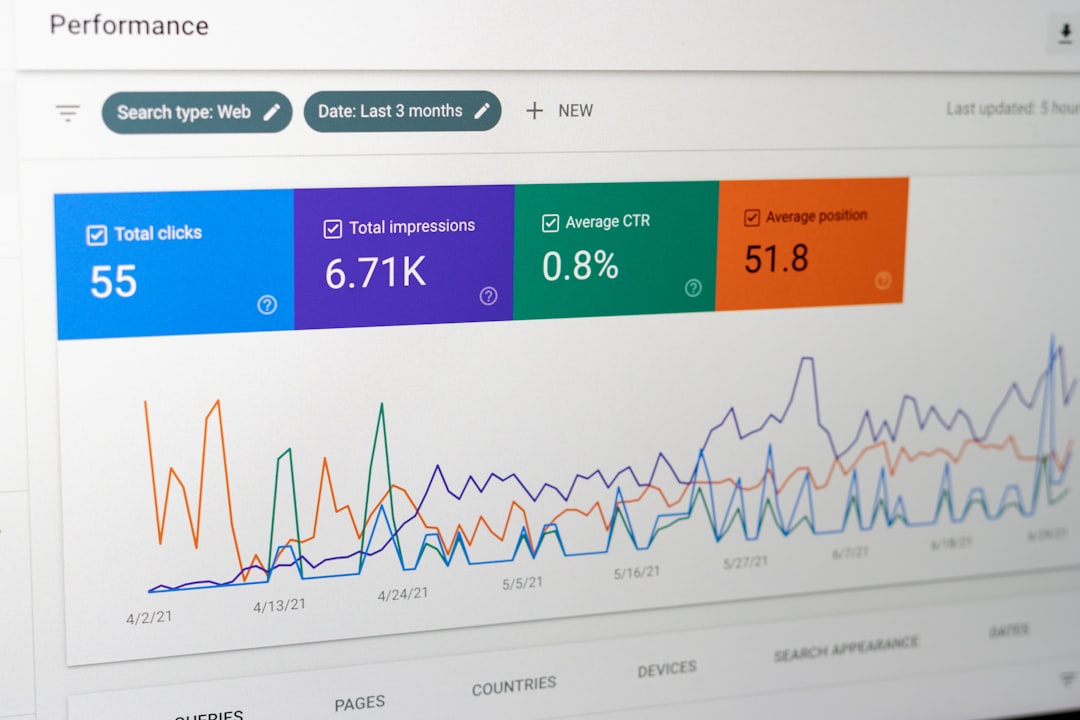
    This isn’t just a tool; it’s the source of truth. Google Search Console (GSC) is the single most important, 100% free tool in any SEO’s arsenal. It automates the collection and reporting of your site’s performance directly from Google’s index. It shows you the exact queries people use to find you, which pages are ranking, your click-through rates, and any technical errors Google encounters when crawling your site. There is no other tool that provides this level of accurate, direct-from-the-source performance data.

    Using GSC is non-negotiable. It’s how you diagnose indexing problems, submit sitemaps, and understand how Google sees your website. While third-party tools estimate your traffic, GSC gives you the real numbers. It automatically monitors yourCore Web Vitals and security issues, sending you alerts when problems arise. Its data is the foundation upon which all other SEO activities should be built.

    • Best for: Every single person who owns or manages a website, without exception.

    Watch out for: GSC is a diagnostic tool, not a strategic one. It tells you what is happening, but it’s up to you to figure out why* and what to do about it.

    • Statistic: With Google holding over 91% of the search engine market share, its data isn’t just a part of the picture; it is the picture.

    Most SEO tools are guessing. Google Search Console is telling. If your GSC data contradicts your paid tool, trust GSC every time.

    3. Ahrefs Webmaster Tools

    For years, Ahrefs has been a premium, and expensive, pillar of the SEO world. Their decision to offer Ahrefs Webmaster Tools (AWT) for free was a seismic shift. AWT allows you to connect your website (via Google Search Console verification) and get access to a light version of their powerful Site Audit and Site Explorer tools. It will automatically crawl your site, identify over 100 common technical SEO issues, and show you your backlink profile and keyword rankings.

    This is an incredible amount of value for a free product. The Site Audit feature is the star, automating the tedious process of checking for broken links, slow pages, missing meta tags, and more. It’s like having an on-call technical SEO consultant. While the data is less comprehensive than their paid plan (e.g., you can’t analyze competitor sites), it’s more than enough to keep your own site healthy.

    • Best for: Website owners who want to automate technical SEO health monitoring and get a handle on their backlink profile.
    • Watch out for: It only works for sites you own and can verify. The crawl credits and data limits are less generous than the paid tiers.
    • Statistic: A survey of digital marketers found that 49% rate link building as the most challenging SEO task, making AWT’s free backlink monitoring feature a huge asset.

    4. Screaming Frog SEO Spider

    For over a decade, the Screaming Frog SEO Spider has been the go-to desktop crawler for technical SEOs. The free version lets you crawl up to 500 URLs of a single website, providing an immense amount of data about its structure and on-page elements. It spiders your site just like Googlebot, pulling out every URL, title tag, meta description, header tag, image size, and status code. It automates the process of creating a complete inventory of a site’s content and technical setup.

    This tool is indispensable for pre-launch site audits, checking a site after a redesign, or just performing a regular health check on a smaller site. Finding a single broken link on an important page or a set of missing title tags can have a real impact on your rankings. For a company with a complex structure, like our client Wolverine Assemblies, ensuring every service and spec sheet is crawlable is mission-critical. The free version is more than capable of handling this for most small to medium business websites.

    • Best for: In-depth technical and on-page SEO audits for websites under 500 pages.
    • Watch out for: The 500 URL limit can be an issue for larger e-commerce or content sites. It’s a powerful tool with a steep learning curve and a user interface only an engineer could love.
    • Statistic: Page speed is a critical ranking factor, and Unbounce research reveals that nearly 70% of consumers say it directly impacts their purchase decisions. Screaming Frog excels at finding heavy images and slow-loading pages.

    5. AnswerThePublic

    SEO automation isn’t just about technical checks; it’s also about automating idea generation. AnswerThePublic automates the process of finding what real users are searching for around your core topics. You enter a keyword, and it generates a series of visualizations showing questions, prepositions, and comparisons related to your term. It’s effectively a machine for uncovering long-tail keywords and content ideas.

    Instead of guessing what your audience wants to know, this tool shows you. It scrapes Google’s autocomplete suggestions and presents them in a structured way. This is perfect for planning a blog content calendar or finding specific, low-competition questions to answer. The insights can fuel your content strategy for months.

    • Best for: Content creators, bloggers, and marketers looking for user-intent-driven topic and keyword ideas.
    • Watch out for: The free version has a limited number of searches per day. It gives you the ideas, but not the search volume or competition data you need to prioritize them (that’s in the paid version).
    • Statistic: An analysis by Backlinko of 5 million search results found that only 0.63% of searchers click on the second page of Google. Answering the specific questions people ask is key to securing a top spot.

    A free tool gets you on the field, but a real strategy wins the game. Use free tools for specific tasks, not as a replacement for a coherent SEO plan.

    6. Ubersuggest

    Created by marketer Neil Patel, Ubersuggest is an all-in-one SEO tool that offers a very limited free tier. It provides a taste of everything: keyword analysis, a site audit, rank tracking, and backlink data. It’s a good starting point for absolute beginners who want to see what a full SEO suite looks like without committing to a subscription.

    The tool automates the process of pulling surface-level data from multiple areas of SEO into one dashboard. You can get a quick overview of a keyword’s difficulty, see your top-ranking pages, or run a basic site audit. While the free version is heavily restricted in the amount of data you can see and the number of queries you can run per day, it can be useful for occasional spot checks.

    • Best for: Beginners who want a single dashboard for a high-level overview of various SEO metrics.
    • Watch out for: The daily limits are very restrictive and you will hit a paywall quickly. The constant upsell prompts can be distracting.
    • Statistic: Ubersuggest can help streamline the manual parts of SEO, which is critical when a HubSpot survey found that 61% of marketers say improving SEO and growing organic presence is their top inbound marketing priority.

    Summary Comparison of Free SEO Automation Tools

    Tool Primary Function Key Free Feature Main Limitation
    Rank My Website Content Generation Automated article creation Monthly content limits
    Google Search Console Performance Monitoring Accurate click/impression data Provides data, not solutions
    Ahrefs Webmaster Tools Technical & Backlink Audit Scheduled site crawls Limited to your own verified sites
    Screaming Frog Deep Technical Crawling Full crawl data for 500 URLs Desktop app, 500 URL cap
    AnswerThePublic Content Ideation Question-based keyword visuals Daily search limits, no volume data
    Ubersuggest All-in-One Suite Dashboard with multiple metrics Very strict daily usage caps

    Conclusion

    Free SEO automation tools are not a myth, but they do require a strategic approach. There is no single free tool that can run your entire SEO strategy on autopilot. The smart approach is to build a custom toolkit: use Google Search Console as your foundation, layer in Ahrefs Webmaster Tools for technical health, and employ AnswerThePublic for content ideas. This covers your diagnostics and planning.

    However, these tools still leave the most time-consuming part untouched: creating the actual content and building a smart internal linking structure. That’s where a platform like Rank My Website comes in, turning your research and keywords into published articles. By combining the best free diagnostic tools with a powerful content automation engine, you can build a system that drives real organic growth without the enterprise price tag. Ready to get started? Try Rank My Website today.

    FAQ: Free SEO Automation Tools

    Can you really do SEO for free?

    Yes, you can perform many essential SEO tasks for free, but it requires more manual effort and the use of multiple specialized tools. Tools like Google Search Console provide vital performance data, while others can help with technical audits and keyword ideas. However, scaling your efforts, especially content creation, often requires a paid solution.

    What are the best seo automation tools free of charge?

    For 2026, the best combination is Google Search Console for performance data, Ahrefs Webmaster Tools for technical health and backlink monitoring, and a content ideation tool like AnswerThePublic. For those looking to automate the content production itself, Rank My Website offers a powerful solution.

    Are free SEO tools safe to use?

    Reputable free tools from established companies like Google, Ahrefs, and Screaming Frog are perfectly safe. Be cautious of unknown browser extensions or online tools that ask for sensitive permissions, like full access to your Google Analytics or website backend, as they could pose a security risk.

    What is the biggest limitation of free SEO tools?

    Their biggest limitation is usually scope or volume. For example, a crawler might limit you to 500 URLs, a keyword tool might limit you to 3 searches per day, and most free tools won’t let you analyze competitor websites in-depth. They give you a look at your own property but restrict competitive intelligence features.

    How often should I use SEO tools?

    It depends on the tool. You should check Google Search Console weekly to monitor performance and look for alerts. Technical audit tools like Screaming Frog or Ahrefs Webmaster Tools should be run at least monthly to catch new issues. Keyword and content idea tools are best used at the beginning of a content planning cycle.

    Does Google have a free SEO tool?

    Yes, Google’s primary free SEO tool is Google Search Console. It’s an essential platform for monitoring your site’s health, performance in search results, and indexing status. They also offer Google Trends, the Google Keyword Planner (which requires an active ad account for best results), and PageSpeed Insights.

  • The 5 Best AI SEO Software Platforms in 2026 That Actually Work

    The 5 Best AI SEO Software Platforms in 2026 That Actually Work

    Stop paying for glorified GPT-4 wrappers. Most AI SEO software on the market today is little more than a content spinner with a fancy dashboard, and it won’t get you the traffic you need. The best AI SEO software isn’t a single tool but a complete platform that automates the entire SEO content lifecycle. To understand how these platforms work, learn more about ai seo content platforms. This includes AI-driven keyword research and clustering, generating contextually rich articles, handling all on-page optimizations, building a logical internal link structure, and publishing it all directly to your CMS. It acts as an autonomous SEO engine, moving beyond simple content generation to deliver measurable ranking improvements and organic traffic growth without constant manual intervention.

    To create this ranking of the best AI SEO software, I didn’t look at feature lists or marketing hype. My methodology is based on one question: How much of the complete, end-to-end SEO process can this platform automate effectively? This isn’t about which tool writes the fastest article. It’s about which system can reliably execute a full SEO content strategy, from initial opportunity discovery to final publication, with minimal human guidance. I’ve evaluated these tools based on their ability to handle keyword research, content generation, on-page optimization, and critically, automated internal linking and publishing, drawing on my 12 years of building and scaling organic traffic.

    1. Rank My Website

    Rank My Website isn’t just another tool in the stack; it’s the entire stack. This platform is designed from the ground up to be a true “autopilot” SEO solution, making it the clear top pick for businesses that want to grow organic traffic without building a massive in-house team. The process is almost entirely hands-off. It starts with AI-powered keyword discovery, then moves to generating a high-volume of high-quality, SEO-optimized articles daily. One of the platform’s most powerful and unique features is its ability to handle automated internal linking, creating a-rock solid site architecture that search engines love. But can you really get automated seo free?

    Unlike point solutions that only handle one part of the job, Rank My Website manages the full workflow. It generates the content, performs all on-page SEO, and publishes the finished article directly to your site. This end-to-end automation is what separates it from every other tool on this list. It’s a solution built for results, not for giving you more work to do managing another piece of software. It’s how clients like Wolverine Assemblies can focus on their business while their organic presence grows automatically.

    • Best for: Businesses of all sizes looking for a hands-off, fully automated SEO and content solution that delivers measurable results.
    • Watch out for: Companies that want granular, hands-on control over every single sentence of every article might prefer a more manual tool.

    Supporting Stat: According to a 2023 report from Content Marketing Institute, 62% of B2B marketers who have a documented content strategy rate their organization’s content marketing as successful, compared to just 31% of those who don’t. Rank My Website essentially is* your documented, automated strategy. You can find more detail in the CMI B2B content marketing report.

    2. Surfer SEO

    Surfer SEO has become an industry standard for on-page optimization, and for good reason. Its Content Editor provides data-driven recommendations for keywords, article length, headings, and more, all based on a real-time analysis of page-one competitors. It’s incredibly effective for tuning up a piece of content to ensure it meets Google’s perceived expectations for a given search query. The Surfer AI feature can generate a full article based on your keyword, but its real strength is as a guidance tool for human writers or as an editing framework for a raw AI draft.

    However, Surfer is fundamentally an optimization tool, not a complete automation platform. It won’t do your keyword research for you (though it integrates with tools that do), and it doesn’t have a concept of a broader content strategy or automated internal linking. You feed it one keyword at a time. This makes it a powerful asset for content teams, but it still requires a human strategist to decide what to write about and how all the pieces fit together. It’s a critical part of the puzzle, but you still have to build the rest yourself, which makes you wonder if ai seo tools hype when they only solve one part of the problem.

    • Best for: Content teams and SEO professionals who want to optimize articles for on-page SEO factors with surgical precision.
    • Watch out for: It’s not a full-service platform. You’re still responsible for keyword research, content strategy, and publishing workflow.
    • Supporting Stat: On-page signals are a core part of Google’s algorithm. While a bit dated, a foundational Backlinko analysis of Google ranking factors confirms the strong correlation between top rankings and factors like keyword presence in titles and comprehensive content—precisely what Surfer helps you optimize.

    The real test of an AI SEO platform isn’t whether it can write an article. It’s whether it can decide which article to write, how that article should connect to others, and then execute the entire process on its own.

    3. MarketMuse

    MarketMuse takes a more strategic approach than many other tools. Its main strength is in content planning and inventory analysis. It can audit your entire website, identify topical gaps, and build out content clusters to help you establish authority on a subject. The platform uses its own AI to create detailed content briefs that guide writers on which topics, questions, and entities to include in their articles. This is incredibly valuable for large sites aiming to dominate a niche.

    Where MarketMuse is less of a leader is in the actual content generation and automation. While it has features for generating text, they are more like assistive tools rather than a full-blown “write-the-article-for-me” function. The platform is built to empower human SEO strategists and writers, not replace them. It’s an expert system for planning your work, but you still have to do the work (or use another tool to do it). Its price point also puts it out of reach for many smaller businesses, positioning it as an enterprise-grade planning tool.

    • Best for: Enterprise teams and large publishers that need to manage a complex content strategy and build topical authority at scale.
    • Watch out for: The high cost and the fact that it’s more of a planning and briefing tool than a true content automation engine.
    • Supporting Stat: Google’s own documentation on creating helpful, reliable, people-first content emphasizes expertise and comprehensive topic coverage. MarketMuse’s topical modeling and gap analysis directly support this goal.

    4. Jasper

    Jasper (formerly Jarvis) was one of the first AI writing assistants to hit the mainstream, and it remains one of the most powerful and flexible. With a vast library of templates and a long-form document editor, it can generate everything from ad copy to entire blog posts. For SEO, users often pair Jasper with its Surfer SEO integration to optimize the content as it’s being written. This creates a potent combination for producing a single, high-quality article.

    However, calling Jasper a “best ai seo software” on its own is a stretch. It’s a general-purpose writing tool that can be applied to SEO. It has no native keyword research capabilities, no ability to analyze your site and suggest topics, and no automated publishing or internal linking. Using Jasper for an SEO content program requires a human to provide the strategy, the keywords, the briefs, and the editing. It’s a force multiplier for a writer, but it doesn’t automate the SEO process itself.

    • Best for: Marketers and content creators who need a versatile AI assistant to speed up the writing process for a wide variety of content types.
    • Watch out for: It requires significant human direction and integration with other SEO tools to be part of a scalable content strategy.
    • Supporting Stat: As of March 2024, there were over 304 million blogs in the U.S. alone. A tool like Jasper helps creators keep up with the demand for content volume, but quality and strategy are what ultimately differentiate.

    5. KoalaWriter

    KoalaWriter has gained a devoted following for one primary reason: it’s exceptionally good at creating long-form, factual blog posts with minimal fuss. You give it a keyword and a few instructions, and it produces a well-structured, surprisingly accurate article, often complete with citations and an FAQ section. It can connect to live web data, which allows it to write about current events and include up-to-date information, a significant advantage over many other AI writers that rely on static training data.

    Like many others on this list, however, KoalaWriter is a content creation tool, not an SEO platform. Its focus is on the output of a single asset. The user still needs to bring their own keyword research, figure out how this new article fits into their site structure, and handle the publishing and internal linking manually. It’s one of the best tools on the market for efficiently turning a keyword into an article, but it doesn’t address the strategic, upstream work of keyword research or the post-publication work of building a cohesive site architecture.

    • Best for: Bloggers, affiliate marketers, and small teams who need to produce high volumes of long-form content quickly.
    • Watch out for: It’s a one-trick pony. It writes articles well but offers no other SEO functionality.
    • Supporting Stat: A 2022 study by First Page Sage found that the average ROI for content marketing is higher than for paid ads and social media marketing. Efficiently producing quality content with tools like KoalaWriter is a key part of realizing that ROI.

    Most AI tools just give you a faster horse. A true AI SEO platform is a self-driving car. You don’t tell it how to turn the wheel; you just tell it the destination and it handles the rest.

    Factors to Consider When Choosing AI SEO Software

    When evaluating different platforms, it’s easy to get distracted by shiny features. Focus on the core functions that actually drive SEO results: the quality of the keyword research, the readability and relevance of the content generated, the automation of on-page elements, and the ability to build an intelligent site structure through internal linking.

    AI SEO Software Pricing Comparison

    Pricing for these tools varies dramatically. Standalone writers can be had for under $50/month, while comprehensive on-page platforms like Surfer are a few hundred. Enterprise-grade planning tools like MarketMuse can run into the thousands. True end-to-end automation platforms like Rank My Website are typically priced as a service based on the volume of content and the tangible traffic results delivered.

    The Future of AI in SEO

    Looking ahead, the line between content creation and SEO will continue to blur. The winning platforms will be those that can successfully unite the entire process into a single, cohesive, and automated engine. The focus will shift from “writing an article” to “building and defending topical authority” at scale.

    AI SEO Software Comparison Table

    Feature Rank My Website Surfer SEO MarketMuse Jasper KoalaWriter
    End-to-End Automation
    Keyword Research
    High-Quality Content
    On-Page SEO
    Automated Internal Linking
    Best Use Case Full SEO Automation On-Page Tuning Content Strategy General Writing Fast Article Gen

    FAQ

    Can AI really replace my SEO team?

    No, but it can make them exponentially more effective. The best AI SEO software automates the repetitive, time-consuming tasks like keyword research, content production, and basic optimization. This frees up your human SEO experts to focus on high-level strategy, competitive analysis, technical SEO, and creative link-building campaigns that AI cannot handle.

    Is Google okay with AI-generated content?

    Yes. Google has been very clear that their focus is on the quality of the content, not how it was produced. As stated in their official guidance, Google rewards helpful, reliable, people-first content. As long as your AI is being used to create original, high-quality content that serves user intent, it is perfectly within Google’s guidelines.

    What is the most important feature in an AI SEO tool?

    While content generation gets all the attention, the most underrated and arguably most powerful feature is automated internal linking. A well-structured website with logical internal links is critical for helping Google understand your site’s topical authority and for passing link equity between pages. A tool that can build and manage this structure automatically provides a massive, ongoing SEO advantage.

    How much do AI SEO tools cost?

    The cost varies wildly, from as little as $30-$50 per month for a simple AI writer to many thousands of dollars for enterprise-level content strategy platforms. Fully managed, end-to-end automation services are typically priced based on the volume of content and desired outcomes, treating it more like a service than just software.

    How long does it take to see results from AI SEO?

    SEO is a long-term strategy, and AI doesn’t change that fundamental truth. However, AI can significantly shorten the timeline. Because an AI platform can execute on a strategy at a scale and speed that a human team cannot match—publishing optimized content daily—you can start seeing initial ranking improvements and traffic gains within 3-6 months, as opposed to the 6-12 months typical of purely manual efforts.

    Choosing the right software is about understanding your own goals and resources. If you’re looking for a tool to help a human writer, options like Surfer or Koala are excellent. But if you’re looking for a partner to manage your entire SEO content engine so you can focus on your business, a true automation platform is the only real choice. Rank My Website was purpose-built to be this solution, delivering not just articles, but the traffic and growth that comes from a relentlessly executed SEO strategy. If you’re ready to put your organic growth on autopilot, it’s time to see how a complete AI SEO platform can transform your business.

  • The Best AI SEO Tools of 2026 for Ranking Higher on Google

    The Best AI SEO Tools of 2026 for Ranking Higher on Google

    Most lists of the “best AI SEO tools” are thinly veiled affiliate link farms, promoting flavor-of-the-month gadgets that solve one tiny piece of the SEO puzzle. The best AI SEO tools are end-to-end platforms that automate content creation, on-page optimization, and internal linking, not just single-feature “helpers.” These platforms are designed for users who need to generate consistent, high-quality content at scale without a dedicated SEO team. They move beyond simple keyword suggestions to offer full-service automation from topic ideation to publishing, making them ideal for SMBs and entrepreneurs focused on growth. To learn more about how these tools can transform your content strategy, explore ai seo content platforms.

    How AI is Transforming SEO

    Artificial intelligence isn’t a future trend; it’s the engine behind the most significant shift in digital marketing in a decade. AI is automating the time-consuming, repetitive tasks that once required entire teams. The global AI in marketing market is exploding, projected to reach $40.09 billion by 2028, a clear sign of its deep integration. For SEO, this means automating keyword research, generating content drafts, performing site audits, and even building internal link structures. This allows strategists to focus on high-level strategy, competitive analysis, and creative thinking instead of manual data entry and content grunt work.

    Key Features to Look For in AI SEO Tools

    Not all AI SEO tools are created equal. When evaluating options, look past the splashy marketing and focus on features that deliver tangible results. First, consider the scope: is it a point solution (like a writer or an auditor) or an all-in-one platform? True automation comes from platforms that connect the entire workflow. Second, evaluate the quality of the AI output. Can it generate a full, contextually relevant article or just a paragraph of text? Third, analyze the built-in SEO intelligence. Does the tool understand keyword intent, on-page optimization factors, and internal linking, or does it just stuff keywords? Finally, assess the user interface. A powerful tool is useless if it requires a PhD in data science to operate.

    To create this ranking, we went beyond feature lists. This list is based on our hands-on experience as SEO practitioners combined with an analysis of over 1,000 user reviews on G2 and Capterra from the last 12 months. We prioritized tools based on three core criteria: end-to-end automation capability, ease of use for non-SEOs, and transparent pricing without hidden fees.

    A Head-to-Head Comparison of the Best AI SEO Tools

    Here’s how the top contenders stack up for 2026, evaluated for businesses that need results, not another subscription to manage.

    1. Rank My Website (Top Pick for Automation)

    Rank My Website is fundamentally different from other tools on this list. It’s a fully managed, autopilot platform designed to handle your entire SEO content strategy. Instead of providing you with a set of tools to do the work yourself, we do it for you. This service includes comprehensive keyword research, the generation of daily articles optimized for your audience, and automated internal linking to build topical authority. This model is built for business owners who want the organic traffic growth without becoming SEO experts themselves, allowing clients like Wolverine Assemblies to focus entirely on their manufacturing business while their online presence grows consistently.

    This “done-for-you” approach is a direct response to the tool fatigue many SMBs experience. You don’t need to stitch together a keyword tool, an AI writer, an optimization tool, and a publishing schedule. The platform handles the entire workflow from start to finish, acting as your outsourced content and SEO engine. It’s the closest thing to putting your organic growth on autopilot.

    • Best for: Small to medium-sized businesses, e-commerce stores, and marketing agencies who want a complete, hands-off SEO content solution.
    • Watch out for: It’s a managed platform, not a DIY tool. Companies with large, in-house SEO teams who want granular control over every single variable might prefer a multi-tool stack.

    2. Surfer SEO

    Surfer is legendary among content creators and SEOs for its powerful on-page optimization capabilities. Its core function is the Content Editor, which analyzes the top-ranking pages for your target keyword and builds a data-driven “brief.” It tells you which keywords to use, how long your article should be, and what topics to cover. It’s an exceptional tool for elevating the quality of content that you are already planning to write, and it integrates directly with Google Docs and various AI writers to streamline the optimization process.

    The platform turns SEO from a guessing game into a paint-by-numbers exercise for individual articles. Research from Brian Dean at Backlinko has shown that comprehensive content significantly outperforms shallow content, and Surfer is one of the best tools for ensuring that comprehensiveness. However, it still requires you to have a keyword and a content idea; it helps you execute, but it doesn’t build the overarching strategy. Your ai seo strategy needs right before a tool like this can be effective.

    • Best for: SEOs and content writers focused on optimizing individual blog posts based on direct SERP competition.
    • Watch out for: It’s an optimization tool, not a full-cycle platform. You still need separate processes for keyword research, content ideation, and publishing.

    An AI tool should be a force multiplier, not another dashboard you have to log into every day. The goal is to buy back your time, not just find new ways to spend it.

    3. Semrush

    Semrush is the Swiss Army knife of digital marketing. It’s a massive, all-in-one suite that offers tools for SEO, PPC, social media, and market research. Its AI-powered features, like the SEO Writing Assistant and Topic Research Tool, are integrated into this vast ecosystem. The platform shines in providing a staggering amount of data, allowing you to track keyword rankings, analyze competitor strategies, and audit your site’s technical health.

    However, its greatest strength is also its biggest challenge for some users. The platform is complex, and the sheer number of features can be overwhelming for a small business owner who just wants to rank higher on Google. Many user reviews on platforms like G2 highlight the steep learning curve as a potential hurdle. It’s a tool built for marketing professionals who will live in the platform day in and day out, and its pricing reflects that professional-grade power.

    • Best for: Marketing agencies and in-house teams who need a comprehensive data and analytics platform for multiple marketing channels.
    • Watch out for: Can be overly complex and expensive for SMBs or solopreneurs whose primary need is content automation.

    4. Ahrefs

    For years, Ahrefs has been the undisputed king of backlink analysis. Its link index is one of the most robust in the industry, making it an indispensable tool for technical SEOs and link builders. Like Semrush, Ahrefs has begun integrating AI features to enhance its data analysis. For example, AI can help group keywords by user intent or provide summaries of why certain pages are ranking.

    These features make Ahrefs’ powerful data even more accessible, but they don’t change the tool’s fundamental DNA. It is an analytical tool first and foremost. It isn’t designed to write your articles or manage your content calendar. As Forbes notes in its review, its core value proposition remains its world-class site explorer and backlink data. It tells you what is happening on the SERP and why, but it’s up to you to build the content that acts on those insights. Many wonder if ai seo tools worth hype, and for pure data tools like Ahrefs, the answer depends entirely on having a skilled strategist to interpret the findings.

    • Best for: SEO specialists and agencies focused on technical SEO, competitor analysis, and backlink acquisition.
    • Watch out for: It is not a content creation or automation tool. The AI features are for analysis, not generation.

    Best AI SEO Tools for Content Creation

    While platforms handle strategy, some tools focus purely on the writing process. These AI writing assistants are designed to help you generate drafts faster.

    5. Jasper

    Jasper (formerly Jarvis) is one of the pioneers of the AI writing space. It’s a flexible and powerful assistant capable of generating a huge variety of content, from blog post drafts and social media updates to ad copy and emails. Its integration with Surfer SEO created a popular workflow for content teams: use Jasper to write, then use Surfer to optimize. It’s effective at overcoming writer’s block and producing a first draft in minutes rather than hours.

    However, Jasper is a writer, not an SEO strategist. It doesn’t perform keyword research, analyze SERP intent, or understand how a particular article fits into a larger content ecosystem. The output requires a heavy human touch to refine the tone, check facts, and—most importantly—imbue it with genuine experience and authority. It accelerates the writing process but does not automate the SEO process.

    • Best for: Content marketers and copywriters who need to speed up the drafting process for a wide variety of formats.
    • Watch out for: Produces text, not SEO-optimized content. Requires a separate SEO tool and significant human editing to be effective for ranking.

    You can’t just bolt an AI writer onto your process and expect to rank. True AI SEO is a fully integrated system where keyword strategy, content creation, and on-page optimization all speak the same language.

    Summary Comparison Table

    Tool Core Function Best For Price Model
    Rank My Website End-to-end SEO Content Automation SMBs/Agencies (Done-for-you) Flat-rate Subscription
    Surfer SEO On-page Content Optimization SEOs/Writers (DIY Optimization) Tiered Subscription
    Semrush All-in-one SEO Data & Analytics Marketing Professionals Tiered Subscription
    Ahrefs Backlink & Technical SEO Analysis SEO Specialists Tiered Subscription
    Jasper AI-Powered Content Writing Content Marketers Tiered (Usage-based) Subscription

    Frequently Asked Questions

    What is the main benefit of using an AI SEO tool?

    The primary benefit is efficiency. AI automates repetitive and time-consuming tasks like keyword research, content drafting, and data analysis. This frees up human marketers to focus on higher-level strategy, creativity, and understanding customer needs, which are things AI cannot do.

    Can AI write content that ranks on Google?

    Yes, but with a major caveat. AI-generated text alone will not rank consistently. The content must be part of a comprehensive SEO strategy, optimized for specific keywords, structured correctly, and factually accurate. The best results come from AI platforms that integrate content generation with data-driven SEO practices, or from using AI as an assistant guided by a skilled human editor.

    Are free AI SEO tools any good?

    Most free tools are very limited in scope or offer a small free trial. They can be useful for simple, one-off tasks like generating a list of blog ideas or checking the word count of a page. For a sustained, effective SEO strategy, a professional-grade, paid tool is necessary.

    How much do AI SEO tools typically cost?

    Prices vary dramatically. Point solutions like AI writers can start around $40-$100 per month. Comprehensive data platforms like Semrush or Ahrefs typically range from $130 to several hundred dollars per month. All-in-one automation platforms have different models, often a flat subscription that covers the full service.

    What’s the difference between an AI writer and an AI SEO platform?

    An AI writer (like Jasper) generates text based on a prompt. An AI SEO platform (like Rank My Website) manages the entire SEO content workflow. This includes identifying keywords, generating content that is already optimized for those keywords, publishing it, and building internal links. It’s the difference between a tool and a complete system.

    How do I choose the right AI SEO tool for my business?

    Define your primary need. Are you a writer looking to speed up drafting (AI writer)? Are you an SEO specialist who needs deep data (Ahrefs/Semrush)? Or are you a business owner who wants to grow traffic without building an SEO team (Rank My Website)? Choose the tool that solves your specific problem.

    Will AI take over SEO jobs?

    No, AI will transform them. It will automate the repetitive, data-heavy tasks, making SEO professionals more strategic. The SEO jobs of the future will be less about manual execution and more about managing AI-powered systems, interpreting complex data, and creating high-level marketing strategy.

    Ultimately, the best tool is the one that aligns with your business goals and operational capacity. If your goal is to grow your organic traffic on autopilot without the complexity of managing multiple software subscriptions, a platform like Rank My Website is built specifically for you. To see how we can generate SEO-optimized content from your keywords and publish it to your site, so you can focus on running your business, explore ai seo software.

  • Your AI SEO Strategy Is Wrong: The 2026 Best Practices for

    Your AI SEO Strategy Is Wrong: The 2026 Best Practices for

    Stop me if you’ve heard this one: the key to AI SEO is to generate as much content as humanly—or inhumanly—possible. This is the prevailing wisdom, and it’s dead wrong. The best AI SEO practices in 2026 have nothing to do with generating content. Instead, they focus on using AI for scaled data analysis, predictive forecasting, and identifying overlooked keyword gaps that humans miss. True AI-driven SEO is about automating opportunity discovery, not just automating the writing of generic articles. It’s a strategic analysis tool, not a content mill, and most teams are using it completely backward.

    Focusing on AI for mass content production is a race to the bottom. You’re not just competing with your direct business rivals; you’re competing with every other company that has access to the same large language models. The result is a tidal wave of mediocre, unoriginal content that offers no unique perspective. Google’s systems are explicitly designed to devalue this approach. Their Helpful Content System rewards content written for people, not for search engines, and a robot simply can’t replicate genuine human experience.

    The Shifting Landscape of SEO: Before and After AI

    Before AI became mainstream, SEO was a manual, time-intensive discipline. A single analysis of a competitor’s content strategy could take a junior analyst days. You’d manually pull their top pages, eyeball their keyword distribution, and make an educated guess about their strategy. Today, a properly-configured AI can perform that same analysis across 100 competitors in minutes.

    This is the core of modern AI SEO best practices: using machines for what they do best—processing massive datasets—to free up humans for what they do best: strategy, creativity, and establishing genuine authority. Where an analyst once spent a week finding five good keyword opportunities, an AI can surface 500, complete with predicted traffic models and competitive density scores. The human strategist then curates these opportunities, aligning them with business goals and injecting the nuanced understanding a machine lacks. For instance, an AI might not grasp the specific challenges of an industrial client like Wolverine Assemblies, but it can identify the universe of terms their prospects are searching for, allowing a human expert to craft the perfect message.

    From Writer to Editor: The New Role of the SEO

    Instead of being content creators, SEOs are becoming editors-in-chief and data scientists. The most valuable work is no longer writing the article itself. The value is in designing the machine that finds the topic, validates its potential, and provides a data-rich brief for a human writer to execute.

    This is how we approach services like our own keyword research and content development. The goal isn’t just to produce daily articles; it’s to ensure every article is aimed at a validated, high-potential target that a human has signed off on. AI assists in the heavy lifting of discovery and analysis, but strategy remains a human endeavor.

    The biggest mistake in AI SEO is confusing the output with the product. The article isn’t the product. The product is the system of insight that tells you which articles to create in the first place.

    This shift means reallocating your resources. Instead of paying for 1,000 AI-generated words, you should be investing in the analytical tools and human expertise to interpret the data. In fact, a 2024 Gartner report predicts that by 2026, 30% of a brand’s outbound marketing messaging could be synthetically generated, but the strategy behind it will be more critical than ever. The question of whether ai seo tool hype depends entirely on how you use them.

    Common Pitfalls: Avoiding AI SEO Mistakes

    The most common pitfall is embracing automation without oversight. Businesses see the ‘magic’ of one-click content creation and assume it’s a complete solution. They generate hundreds of pages of thin, soulless content targeting keywords without a second thought for user intent or the E-E-A-T framework (Experience, Expertise, Authoritativeness, and Trust). Google’s core updates, particularly since March 2024, have been ruthless in devaluing this type of content, as documented by many industry post-mortems from sites like Search Engine Land.

    Another major error is failing to edit or add unique value. An AI’s first draft is just that—a draft. It lacks personal stories, proprietary data, and genuine opinions. Without a human hand to add these elements, the content is just a rehash of its training data. According to a recent study by Semrush, originality is one of the top factors contributing to content success. Simply running an AI tool and hitting publish is a recipe for algorithmic invisibility.

    Measuring AI’s Impact: Key SEO Metrics to Monitor

    If you’re using AI correctly—for insight, not just volume—the impact should be visible in your analytics. The first metric to watch is your keyword opportunity pipeline. How many high-potential, low-competition keywords are you identifying per week? This number should skyrocket.

    Secondly, monitor the quality, not just the quantity, of your traffic. Are you attracting users who are more engaged? Look at metrics like time on page, conversion rates from organic traffic, and the number of ranking keywords per page. A successful AI-assisted strategy will produce content that ranks for a wider basket of long-tail terms because it’s more comprehensively answering the user’s core question—a question the AI helped you identify with precision.

    Stop thinking of AI as an employee who writes blog posts. Start thinking of it as a tireless army of research assistants who can analyze every corner of the internet for you.

    Ultimately, the goal is to see a lift in non-branded organic traffic and, most importantly, in conversions or leads from that traffic. An AI that just boosts vanity metrics is a distraction. An AI that identifies profitable user needs at scale is a competitive advantage.

    FAQ

    Is using AI for SEO content against Google’s rules?

    No, using AI to generate content is not inherently against Google’s guidelines. The focus is on the quality and helpfulness of the content, not how it was produced. Low-quality, unoriginal content created primarily to manipulate search rankings can be penalized, whether it’s written by an AI or a human. High-quality, helpful, human-edited AI content is perfectly acceptable.

    What are the best AI SEO practices if not content generation?

    The best practices involve using AI for tasks that are difficult to do at human scale. This includes massive keyword research and clustering, competitive content gap analysis, SERP feature analysis, internal link opportunity mapping, and predictive SEO forecasting to estimate the potential ROI of targeting a specific topic.

    Can AI replace my SEO team?

    No. AI is a tool that enhances the capabilities of an SEO team; it does not replace them. It automates repetitive, data-heavy tasks, allowing human experts to focus on higher-level strategy, creative ideation, brand voice, and adding unique experience-based insights that AI cannot replicate.

    How can I add E-E-A-T to AI-generated content?

    This requires significant human intervention. You need to add real-world examples, personal anecdotes, case studies from clients, proprietary data, quotes from subject matter experts, and a clear author bio. The AI-generated text should serve as a scaffold that you build upon with genuine, authoritative information.

    What’s the biggest risk of over-relying on AI for SEO?

    The biggest risk is creating a website full of generic, homogenous content that has no unique brand voice or perspective. This not only performs poorly in search over the long term but also fails to build a loyal audience or establish your company as a true authority in its field. You become a commodity, easily replaced by the next site using the same AI tools.

    At Rank My Website, we believe in using AI as a powerful co-pilot, not as the autopilot. It’s about combining machine-scale data analysis with the irreplaceable value of human expertise and creativity. This hybrid model allows us to discover hidden growth opportunities for our clients and create content that both search engines and real people love. If you’re ready to move beyond the simplistic ‘generate more’ mindset and build a true AI-powered SEO strategy, we should talk.

  • AI SEO: What Is It & How Does It Actually Work in 2026?

    AI SEO: What Is It & How Does It Actually Work in 2026?

    AI SEO: What Is It and How Does It Actually Work in 2026?

    Stop thinking of AI SEO as a robot that just writes blog posts. That’s a common misconception, and it’s about as accurate as calling a Tesla a fancy golf cart. True AI SEO is a full-stack system that automates the entire content-for-ranking workflow, from opportunity analysis to publishing and optimization. It isn’t a replacement for strategy; it’s a force multiplier for it.

    AI SEO is the use of artificial intelligence and machine learning to automate and enhance search engine optimization tasks. Instead of just generating text, a true AI SEO system handles the entire workflow: from discovering high-intent keywords and analyzing SERP competition to writing structured, optimized content, managing internal linking, and publishing it to your site. It aims to scale the creation and optimization of content that comprehensively meets user intent, leading to more consistent and faster rankings on search engines like Google.

    Foundational AI SEO Questions

    So, what is AI SEO, really?

    AI SEO automates and augments the tasks a human SEO team would perform, but at a speed and scale that is humanly impossible. At Rank My Website, this means using AI for everything from advanced keyword research to the generation of daily articles and automated internal linking. The system analyzes SERPs, identifies content gaps, structures articles to match search intent, and even publishes them directly to your CMS. It’s not just about writing; it’s about building a self-perpetuating ranking machine.

    How is AI SEO different from traditional SEO?

    Traditional SEO is manual and labor-intensive. It involves hours of keyword research using multiple tools, manually outlining articles based on top results, writing, editing, and then manually optimizing for on-page factors. AI SEO automates this entire chain. It uses machine learning models to analyze thousands of data points—competitor content, user questions, search trends—in minutes to create a statistically “perfect” piece of content for a given query. The difference is the shift from a manual craft to a systems-engineering problem.

    Isn’t AI SEO just another name for automated content?

    No, and this is a critical distinction. Simple “automated content” often refers to low-quality, spun articles or basic GPT-4 wrappers that create generic text. AI SEO, on the other hand, is a holistic system. It’s not just about content creation; it’s about an end-to-end process that includes competitor analysis, intent modeling, content structuring, on-page optimization, and publishing. The content is just one output of a much larger strategic engine. Comparing the two is like comparing a nail gun to a fully automated home construction factory.

    Most people think AI SEO is just about a robot writing your blog posts. It’s not. Real AI SEO is an entire system that automates the tedious parts of research, optimization, and publishing, freeing up humans to focus on high-level strategy.

    What are the main components of an AI SEO strategy?

    A robust AI SEO strategy integrates several key components. First is data-driven keyword and topic clustering to find ranking opportunities. Second is deep SERP analysis to model content structure and user intent. Third is high-quality content generation that is optimized for both search engines and human readers. Fourth is automated on-page SEO, including meta tags, schema, and internal linking. Finally, performance monitoring and content decay updates close the loop, making it a true system. This is a far cry from just asking a chatbot to “write a blog post about X.”

    How AI is Applied in Modern SEO

    How does AI help with keyword research?

    AI transforms keyword research from guesswork into data science. Instead of just looking at search volume and difficulty, AI tools can analyze semantic relationships between keywords, identify “question” keywords from forums like Reddit and Quora, and predict the traffic potential of a topic cluster. For example, an AI can analyze the top 100 results for “project management software” and identify 50 related sub-topics that real users are searching for, grouping them by intent (e.g., informational, commercial, transactional) to build a complete content plan before a human even starts outlining.

    Can AI write content that actually ranks?

    Yes, but only when it’s part of a larger system. AI-generated content can and does rank when it’s based on a solid, data-driven brief that accurately models search intent. Google itself has been clear that it rewards high-quality content, regardless of how it is produced. The key is the process. If you feed an AI a good prompt based on deep SERP analysis and a proper content structure, it will create content that fulfills intent better than a human writer working off a vague brief. We have seen this firsthand with clients like Wolverine Assemblies, who trust our system to produce ranking content.

    What are some examples of AI SEO tools?

    The market is flooded with tools, ranging from simple wrappers to complex platforms. Tools like SurferSEO and MarketMuse focus on AI-driven content optimization and briefs. Platforms like Semrush and Ahrefs have integrated AI features for keyword research and content ideation. Then you have end-to-end systems like Rank My Website, which handle the entire process from keyword to published post. Seeing how these platforms are marketed reveals a lot about hype around ai seo tools and what they can realistically deliver for your business.

    What is the difference between AI SEO and programmatic SEO?

    Programmatic SEO typically involves creating thousands of pages from a structured database, often for things like glossaries, directories, or location-specific landing pages. Think of Zillow’s pages for every zip code. AI SEO is more flexible. While it can be used for programmatic projects, it can also create unique, long-form editorial content like blog posts and guides. The core difference is that programmatic SEO relies on templates filled with data, while AI SEO uses machine learning to generate novel content based on complex inputs. Digging into programmatic seo content automation shows where one ends and the other begins.

    How Does AI Influence Search Engine Ranking Factors?

    How do search engines like Google use AI?

    Google has been an AI-first company for years. Their systems are built on machine learning. Key examples include RankBrain, which helps interpret ambiguous queries, and the BERT language model, which understands the context of words in a search query. More recently, Google’s Search Generative Experience (SGE) uses AI to provide direct answers. These systems are all designed to better understand the relationship between a query and the content that can satisfy it. AI SEO is essentially using similar technology to work in harmony with Google’s own AI.

    Will AI-generated content be penalized by Google?

    No. This is a myth. Google penalizes spammy, low-quality content, not AI-generated content. As long as the content is original, helpful, and created for people first, Google does not care if a human or a robot wrote it. Poor quality is poor quality, period. Trying to generate 500 articles an hour with cheap tools will get you penalized. Using a sophisticated AI SEO system to create 1-2 excellent, well-researched articles per day that target specific user needs will get you rewarded.

    The goal of AI SEO isn’t to trick Google. It’s to use machine learning to understand and fulfill user intent so comprehensively that Google has no choice but to rank you.

    Is AI just about content, or does it affect technical SEO?

    AI has a massive impact on technical SEO. AI-powered tools can crawl a site to predict and identify technical issues before they affect rankings, such as finding broken links, flagging orphan pages, or automating the creation of schema markup. It can also be used to automatically optimize image alt tags for both accessibility and search. Some of the best seo automation tools are those that handle the tedious technical cleanup that most teams deprioritize.

    The Human Role and Future of AI SEO

    Will AI SEO replace human SEO professionals?

    No, it will augment them. AI SEO replaces the tedious, repetitive tasks, not the strategist. The human role shifts from being a “doer” to being an “editor-in-chief” and a “system operator.” The SEO professional of 2026 doesn’t spend their days manually pulling keyword reports; they spend their time analyzing the outputs of the AI system, identifying new strategic directions, and overseeing the entire content engine. They manage the aI, they don’t compete with it.

    What are the risks of using AI for SEO?

    The biggest risk is relying on a “black box” system without understanding its methodology. If you’re using a cheap AI writer that produces generic, un-optimized content, you risk creating a library of useless articles that never rank. Another risk is over-automation without human oversight, which can lead to brand-misaligned content or factual inaccuracies. The key is to use AI as a tool within a human-guided strategy, not as a “set it and forget it” button that you hope works out.

    How can a small business get started with AI SEO?

    Start small and focus on one specific problem. Don’t try to automate everything at once. Maybe start by using an AI-powered tool to help with content outlining or to re-optimize old blog posts. Use a tool like Semrush or Ahrefs’ AI features to find question-based keywords for your next few articles. Once you see the value, you can explore more comprehensive platforms. The goal is to build incremental efficiencies, not to boil the ocean.

    What does the future of AI in search look like?

    The future is more integrated and conversational. AI will continue to blur the lines between search, content, and direct answers, as seen with the evolution of Google’s SGE. Search will become more of a dialogue. This makes it even more crucial for your content to be structured, authoritative, and comprehensive. Your content will become a data source that feeds these future AI systems. Businesses that build a deep, well-structured library of expert content today will be the primary sources for the AI of tomorrow.

    Frequently Asked Questions about AI SEO

    Does AI help with building backlinks?

    Indirectly, yes. While AI can’t (yet) call up a journalist and pitch a story, it creates the “linkable assets” that are the foundation of any backlink strategy. By producing high-quality, data-driven content that perfectly answers a user’s query, you naturally create content that other sites want to link to. Some advanced systems can also identify unlinked brand mentions or potential outreach targets, but the primary value is in creating link-worthy content at scale.

    How much does AI SEO cost?

    Costs vary wildly. A simple AI writing subscription might be $50 a month, while a comprehensive optimization suite like SurferSEO or MarketMuse could be several hundred. A fully managed, end-to-end AI SEO service that handles everything from keyword research to publishing, like Rank My Website, is a more significant investment but replaces the cost of an entire content team. The key is to measure cost against the value of outputs and the human hours saved.

    Is AI-generated content detectable?

    Sometimes, but it doesn’t matter. Google’s stance is that they are focused on content quality, not its origin. Furthermore, as models become more sophisticated, the distinction between human and top-tier AI output becomes academically irrelevant. The more important question is, “Is the content useful?” A well-structured, helpful article produced by an AI system is far more valuable to a user (and Google) than a poorly written, unhelpful article written by a human. According to recent marketing AI adoption statistics, the majority of marketers are already using AI in some capacity.

    Can I use AI SEO for my e-commerce site?

    Absolutely. E-commerce is a perfect use case. AI can be used to generate thousands of unique, SEO-optimized product descriptions instead of using the generic manufacturer copy. It can also generate category page content, buying guides, and comparison articles to capture shoppers at every stage of the funnel. For an e-commerce brand with thousands of SKUs, AI SEO is not just a nice-to-have; it’s the only feasible way to create content at scale.

    Ready to put your organic growth on autopilot?

    If you’re tired of the endless cycle of manual keyword research, content briefs, and inconsistent publishing, it might be time to see what a true AI SEO engine can do. Rank My Website generates SEO-optimized content from your keywords and publishes it to your site, complete with all the on-page optimizations needed for faster, more consistent rankings. Stop buying content; start building a ranking system.

  • How to Use ChatGPT for Blog Articles Without Sounding Robotic in

    How to Use ChatGPT for Blog Articles Without Sounding Robotic in

    Most people using ChatGPT for blog articles are doing it wrong. They ask it to “write a blog post about X,” and get back 1,000 words of generic, soulless filler that any reader can spot from a mile away. The secret to using ChatGPT effectively isn’t treating it as an author—it’s treating it as an incredibly fast, slightly naive research intern.

    To effectively use ChatGPT for blog articles, you must guide it through a structured workflow: first, use it for ideation and keyword research, then prompt it to create a detailed outline. Next, have it draft the article section by section, not all at once. Finally, you must rigorously edit for factual accuracy, inject unique human expertise, and optimize for SEO. This multi-step process turns the AI from a weak writer into a powerful assistant. By the end of this tutorial, you will have a repeatable process for producing high-quality, AI-assisted content that actually ranks.

    The Pros and Cons of Using ChatGPT for Blog Articles

    Before we jump into the “how,” let’s set realistic expectations. AI is a tool, and like any tool, it has strengths and weaknesses. It is not an “easy button” for quality content, despite what some platforms promise.

    Pros:

    • Speed: It can generate outlines, drafts, and ideas in seconds, not hours.
    • Scale: It helps your team produce more content, faster. A single content manager can oversee the production of dozens of articles per week.
    • Cost-Effectiveness: It can reduce the cost per article by handling the initial heavy lifting of research and drafting.

    Cons:

    • Lack of Originality: Without expert guidance, its output is a mashup of its training data. It cannot create truly novel ideas or share personal experiences.
    • Factual Inaccuracies: AI models are known to “hallucinate” or present false information confidently. Everything must be fact-checked by a human.
    • Generic Voice: The default tone is often bland and corporate. It requires significant editing to match a specific brand voice.

    A Step-by-Step Guide to Using ChatGPT for Blog Articles

    Ready to use AI the right way? This workflow splits the process into distinct, manageable stages. It keeps you in the driver’s seat and relegates the AI to the role of an assistant. For this process, you will need:

    • A subscription to ChatGPT Plus (GPT-4) for better reasoning and output.
    • A clear understanding of your target audience and your brand’s voice.
    • Access to your website’s content management system (CMS).
    • A healthy dose of skepticism for every word the AI generates.

    Step 1: Ideation and Keyword Research with ChatGPT

    The first step isn’t writing; it’s planning. Instead of asking “what should I write about?”, guide the AI with specific prompts for brainstorming. This is where professional services often begin their own keyword research, but you can create a solid foundation yourself.

    Good Prompt Examples:

    • “Act as an SEO content strategist. My company sells [your product/service]. Our target audience is [your audience]. Generate 5 blog post ideas based on the ‘They Ask, You Answer’ framework. For each idea, provide a primary keyword, 3-4 secondary keywords, and a search intent (informational, commercial, etc.).”
    • “Here is a link to my top competitor’s blog: [URL]. Analyze the main topics they cover. Suggest 10 content gaps or unique angles my blog could explore to compete with them.”
    • “Generate a list of 20 long-tail keywords related to ‘home office ergonomics for remote workers.’ Group them by sub-topic.”

    The goal is to use the AI to rapidly generate a large pool of ideas and keywords, which you, the expert, can then curate and refine.

    Step 2: Create a Bulletproof Outline

    Never ask ChatGPT to write a full article from a single keyword. You will get a shallow, poorly structured piece of content. Instead, your next step is to create a detailed outline. An outline is the blueprint for a high-quality article. It forces you to think through the narrative, structure, and key takeaways before any prose is written.

    Good Prompt for Outlining:
    “Create a detailed blog post outline for the topic ‘Using ChatGPT for Blog Articles.’ The target audience is marketers who are skeptical of AI. The outline should include an H1, an introduction, at least 5 H2 sections with descriptive headings, and 2-3 bullet points under each H2 detailing the specific points to cover. Also, include a FAQ section with 5 relevant questions.”

    Review the outline critically. Does it flow logically? Does it address the user’s intent? Is anything missing? Manually revise the outline, adding your own expertise, changing section titles, and rearranging points until it’s perfect. This human-edited outline is the single most important element for guiding the AI to a quality draft.

    The quality of your AI-assisted content is a direct reflection of the quality of your prompts and the detail of your outline. Garbage in, garbage out.

    Step 3: Drafting the Article, Section by Section

    Now you can start generating prose, but not all at once. Feed the AI one H2 section from your outline at a time. This keeps the output focused and high-quality.

    Good Prompt for Drafting a Section:
    “Using the following points, write the introduction for my blog post. The tone should be expert but skeptical, like a seasoned practitioner. The points to cover are:

    • Most people are using ChatGPT wrong.
    • The secret is treating it like an intern, not an author.
    • Promise the reader a repeatable process for high-quality, AI-assisted content.”

    Then, move to the next section:

    “Now write the section for the H2: ‘Step 1: Ideation and Keyword Research with ChatGPT.’ Cover these points:

    • Explain that planning is the first step.
    • Provide examples of good prompts for brainstorming.
    • Emphasize that the human expert needs to curate the AI’s suggestions.”

    Repeat this process for every section of your outline. It feels slower than generating the whole text at once, but the resulting draft will require exponentially less editing.

    Step 4: Injecting E-E-A-T and Original Insights

    At this stage, your draft is probably about 60-70% complete. Now it’s time for the most critical human step: adding what Google calls e e a t. AI has none of these things. It has never worked at a real company, solved a real customer problem, or learned from a real failure.

    You need to weave in:

    • Specific Examples: Instead of saying “some companies,” name them. For instance, an AI could never generate a specific insight about the logistics needs of our client, Wolverine Assemblies—that comes from direct experience.
    • Personal Anekdotes: “When I first tried using AI for content, I made the mistake of…”
    • Contrarian Takes: “The common advice is to do X, but I’ve found that Y works much better because…”
    • Custom Data: Include your own survey results, internal metrics, or unique observations. This is something that makes your content stand out.

    This is the step that separates valuable content from spam. An AI can report on a topic, but it can’t provide true, earned insight.

    Step 5: Editing and Optimizing Your ChatGPT-Generated Content

    Finally, you need to treat the AI-generated text as a rough first draft—because that’s what it is. The editing and optimization phase is non-negotiable.

    • Fact-Check Everything: As noted by many marketing leaders, nearly seventy percent of marketers are using ai, but they also understand the need for verification. LLMs can and do make up facts, statistics, and sources. Verify every claim.
    • Refine for Voice: Edit the entire text to ensure it sounds like it came from a human, specifically a human from your organization. Cut repetitive phrases and bland, tool-generated sentences.
    • Check for SEO: Is your primary keyword in the title, first paragraph, and at least one H2? Are secondary keywords included naturally? Is the meta description compelling?
    • Add Links: Weave in links to your other relevant articles to build topic clusters and improve your site’s internal linking. Link out to authoritative external sources to back up your claims.

    This entire process is why Google’s guidance on AI is clear: they reward high quality content regardless of how it’s produced. A human-guided, heavily edited, and fact-checked article is high-quality. A raw AI dump is not.

    Troubleshooting Common AI Content Issues

    Even with a great process, you’ll run into problems. Here’s how to fix the most common ones.

    • The Issue: Repetitive Language: The AI uses the same sentence structure or transition words over and over.

    * The Fix: Use a “search and replace” function to find the overused phrase. Then, prompt ChatGPT: “Suggest 10 alternative ways to say ‘in conclusion.’” Manually rewrite the sentences for better flow.

    • The Issue: Factually Incorrect Statements (“Hallucinations”): The AI confidently states something that is completely wrong.

    * The Fix: There is no shortcut here. A human expert must review and fact-check every single claim. Never trust, always verify.

    • The Issue: The Content is Too “Surface-Level”: The article explains the “what” but not the “why” or the “how-to.”

    * The Fix: This happens when your outline is too simple. Go back to Step 2 and flesh out your outline with more “why” and “how” bullet points before asking the AI to draft.

    AI can tell you what the ingredients of a cake are, but it can’t tell you what it tastes like. Your job is to add the flavor.

    FAQ about Using ChatGPT for Blog Articles

    Can Google detect AI-generated content?

    Google is more focused on content quality than origin. They state that high-quality, helpful content is rewarded, while spammy, low-value content is penalized, whether it’s written by a human or an AI. The key is to use AI as a tool to create helpful, original, and human-vetted content, not as a replacement for a writer.

    What is the best ChatGPT prompt for writing a blog post?

    There is no single “best” prompt. The best approach is a multi-prompt workflow. Start with prompts for ideation, then a detailed prompt for an outline, followed by section-by-section prompts for drafting. The more context and specific direction you provide in your prompts, the better the output will be.

    How long should an AI-assisted blog post be?

    Article length should be determined by the topic’s complexity and the user’s intent, not an arbitrary word count. Some topics can be covered thoroughly in 800 words, while others might need 2,500. Analyze the top-ranking articles for your target keyword to see what length is performing well, and use that as a general guide.

    Can I get in trouble for using ChatGPT for my blog?

    No, you won’t get “in trouble” as long as you are not creating spam or violating copyrights. The risk is not a penalty, but irrelevance. If you simply copy and paste from ChatGPT, your content will be generic, lack authority, and fail to rank for competitive keywords because it provides no unique value to the reader.

    Is using ChatGPT for blog articles worth it in 2026?

    Yes, absolutely—if you use it correctly. Treating it as an assistant to accelerate your workflow, handle grunt work, and overcome writer’s block is an incredible advantage. Using it as a crutch to replace human expertise and editing is a recipe for failure.

    Does AI-generated content need to be edited?

    Yes, 100%. Raw AI output should never be published directly. It requires thorough editing for factual accuracy, tone of voice, originality, clarity, and SEO optimization. The human editing process is what adds the real value and makes the content trustworthy.

    Using AI to help produce blog content can be a massive unlock for your marketing efforts, allowing you to scale up everything from publishing daily articles to building out supporting clusters that require robust backlinks. But it requires a process and a commitment to quality. If you want to put your content strategy on autopilot without sacrificing the quality that builds trust and drives rankings, Rank My Website can help. We combine the power of AI with expert oversight to generate SEO-optimized content from your keywords and publish it directly to your site, complete with the on-page optimization needed for consistent growth. Talk to our team to see how we can build your content engine.